Every Honest Shilling: How Kalonzo's Crowd-Funded 2027 Launch Courts a Diaspora That Funds Kenya but Cannot Vote
Kalonzo Musyoka's new KOMBOA Kenya platform invites ordinary citizens to bankroll his presidential bid online. For the millions of Kenyans abroad, the pitch lands as both flattery and a familiar frustration.
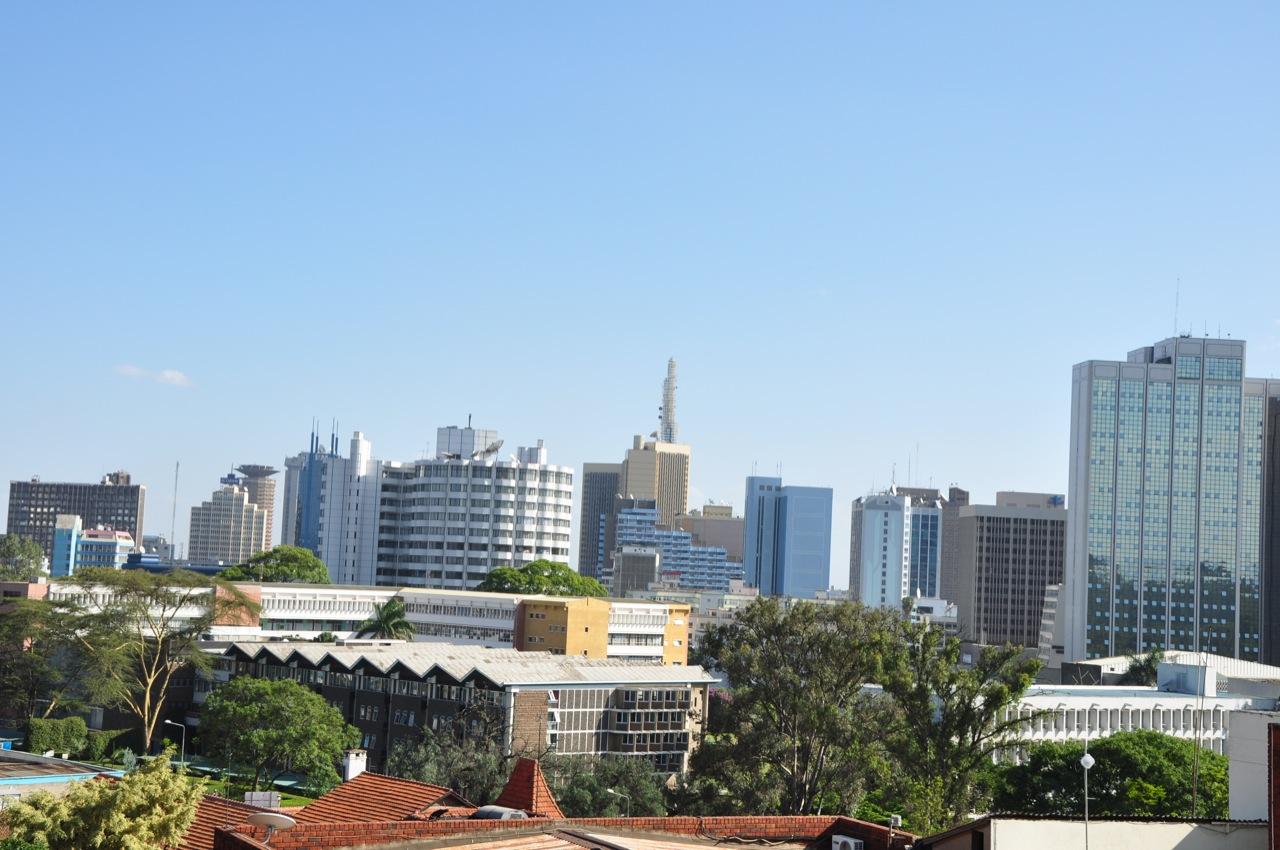
On Saturday night in Nairobi, beneath stage lights and before a ballroom of governors, members of parliament, diplomats and business leaders, Stephen Kalonzo Musyoka asked Kenyans everywhere to do something his new movement had been engineered to make unusually easy: reach for their phones and give. Four time zones away, in an apartment outside Dallas, a Kenyan nurse coming off a long shift watched the launch on a livestream and saw the prompt appear — an invitation to contribute to a campaign she will, in all likelihood, have no practical way to vote in.
That quiet distance — between the money Kenya's diaspora is invited to send and the ballot it is so rarely able to cast — ran underneath the weekend's biggest political event. The Wiper Patriotic Front leader used the launch of his KOMBOA Kenya platform to formally signal his intention to contest the 2027 presidential election, and to road-test a campaign machine built, more than any before it in Kenya, around the wallets of ordinary citizens at home and abroad.
A Movement Engineered to Take Your Money, Gracefully
KOMBOA Kenya was unveiled at an event in Nairobi attended by county governors, legislators, foreign diplomats and business figures. Kalonzo described it as both a political campaign and a national movement aimed at what he called state capture, corruption and the economic hardship he attributes to President William Ruto's administration.
The word itself is deliberate. "Komboa" is Swahili for "redeem" or "liberate," a choice Kalonzo said was shaped at the Wiper Patriotic Front's National Delegates Conference on October 10 last year. "Those who have followed our journey since the NDC know that we did not choose that word lightly," he said.
What makes the platform notable is its plumbing. According to Musyoka, KOMBOA is more than a digital billboard: it is an artificial-intelligence-powered system designed to connect citizens directly with the campaign — letting them share ideas, engage with the leadership, and, crucially, make financial contributions online. His supporters openly compared the approach to the grassroots, small-donor fundraising model that powered Barack Obama's campaigns in the United States. Machakos Governor Wavinya Ndeti urged Kenyans to back the candidacy through donations on the platform, framing the launch as a chance for citizens to take ownership of the campaign. Kitui Governor Julius Malombe reaffirmed the party's support. Kalonzo, who has also registered "Kalonzo 2027" as a trademark, called it simply: "This is our KOMBOA moment."
"Not Funded by Cartels"
By Sunday, Kalonzo had turned the launch into a financing philosophy. Writing on his official X account, he insisted the movement would refuse the patronage that has long defined Kenyan campaigns. "Our campaign and the KOMBOA Kenya movement will not be funded by cartels, because it is a movement by the people and for the people," he wrote. "Every shilling given by an honest Kenyan carries more value than any cheque written in pursuit of favour."
He cast the platform as a kind of contract with voters. "KOMBOA is not a slogan," he wrote. "It is a covenant between me and every Kenyan who believes that our country needs urgent liberation from the current state capture." It was at once a moral message — a promise to owe nothing to wealthy financiers — and a practical necessity, since a campaign that runs on many small gifts must reach a very large number of givers. Few pools of givers are as well-suited to that model as the Kenyans who already wire money home every month.
The Diaspora as Financier
Kenyans abroad are, by the numbers, among the most reliable funders of the country's economy. Remittances reached roughly 674 billion shillings — about five billion dollars — in 2024, according to the Central Bank of Kenya, making the diaspora one of the single largest sources of foreign exchange. Australia, Canada and the United Arab Emirates have lately been the fastest-growing source markets, as Kenyan nurses, students and engineers settle into work and start sending money back.
An online-first, small-donor campaign is, in effect, tailor-made for that constituency. A Kenyan in Perth or Toronto cannot easily attend a rally in Nairobi, but can tap a phone screen in the time it takes to read a headline. KOMBOA's design — global, cashless, always open — speaks directly to people who experience their country mostly through a banking app and a group chat.
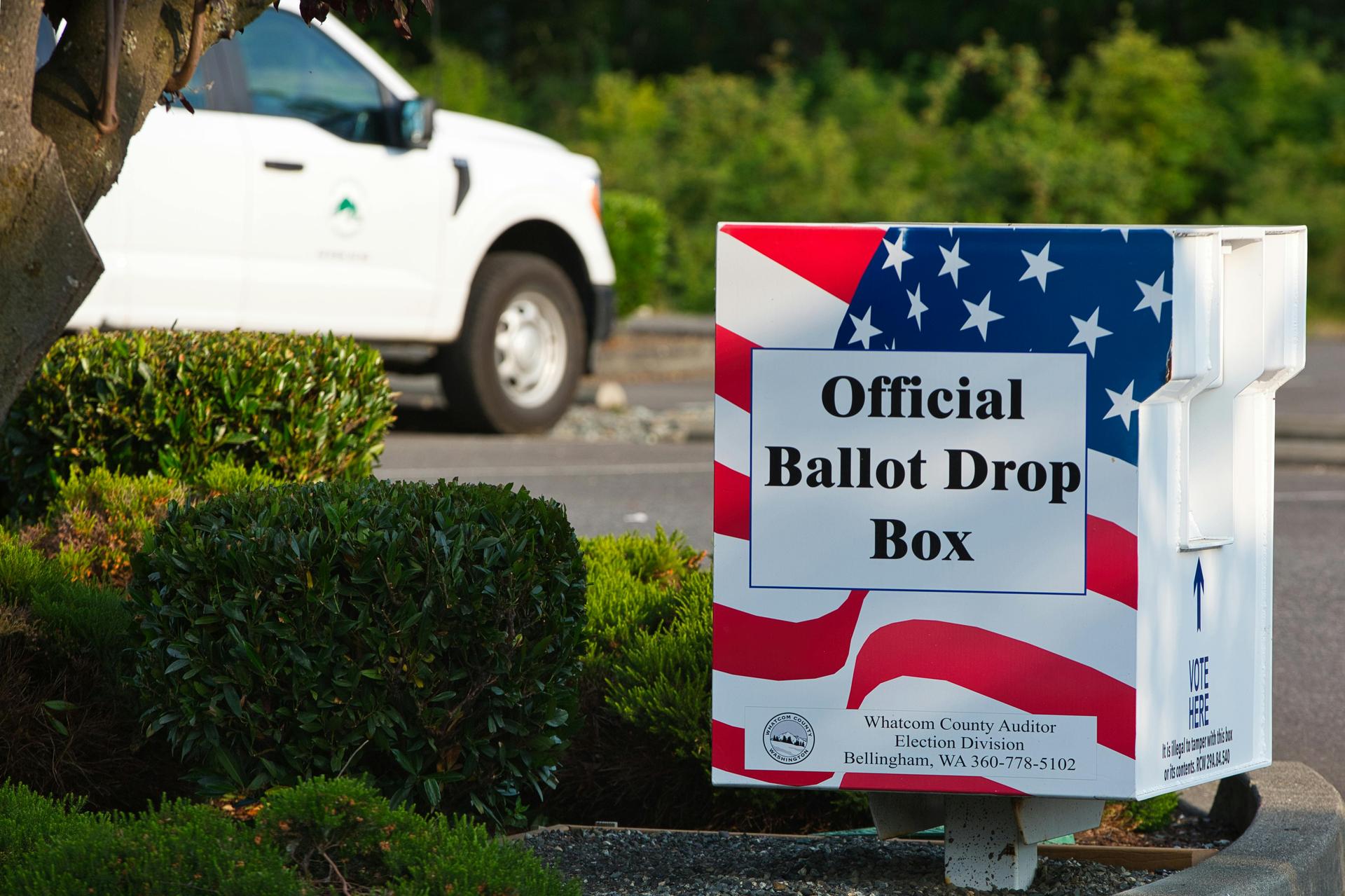
And there lies the discomfort. The diaspora is being courted as a wallet at a moment when it remains, for the most part, locked out of the vote. Successive election cycles have left the overwhelming majority of Kenyans abroad unable to cast a ballot from where they live, even as politicians across the spectrum prize their money and their megaphone. A campaign that invites the diaspora to "own" it financially, while the state has yet to deliver them a workable vote, asks them to underwrite a contest they cannot fully enter.
Where Kalonzo Stands
The launch was not a vanity exercise. A recent survey by Trends and Insights for Africa placed Musyoka second among preferred presidential candidates at 19 percent, behind President Ruto on 24 percent and ahead of former Interior Cabinet Secretary Fred Matiang'i on 14 percent. Kalonzo has previously said that stepping aside again, as he has done in past cycles, would effectively end his political career — making this bid, by his own framing, a final one.
His pitch leans on grievances the diaspora knows well from the family budgets they help balance. He criticised the government's economic management, pointing to rising taxes, declining household incomes, unemployment and growing public debt — the same pressures that push many Kenyans to seek work abroad in the first place, and that make every remitted shilling stretch a little less.
A Covenant That Travels Further Than the Vote
Kalonzo also reached for the year's rawest national wound. He addressed the recent wave of school fires, including the tragedy at Utumishi Girls Academy in Gilgil, where 16 students died, and proposed a nationwide safety audit of boarding schools, greater investment in mental health programmes for learners, and stronger accountability for officials responsible for student welfare. "The children of Kenya are not statistics or talking points," he said. For diaspora parents who keep children in Kenyan boarding schools precisely so they remain rooted at home, that is not an abstract promise.
Back in Dallas, the nurse closed the livestream without deciding whether to give. The covenant Kalonzo offered travels easily across oceans; it arrives on every diaspora phone at once. The ballot, for now, does not. Whether 2027 finally closes that gap — letting the people invited to fund a campaign also help decide it — is the question his KOMBOA moment leaves hanging in the air, somewhere over the Atlantic.