Counted Out at the Booth: Why a New Trump Citizenship Database Worries Naturalized Kenyan-Americans Ahead of the 2026 Midterms
An executive order signed in March is now being challenged in court — and it could quietly decide whether thousands of African-born US citizens see their names struck from state voter rolls.

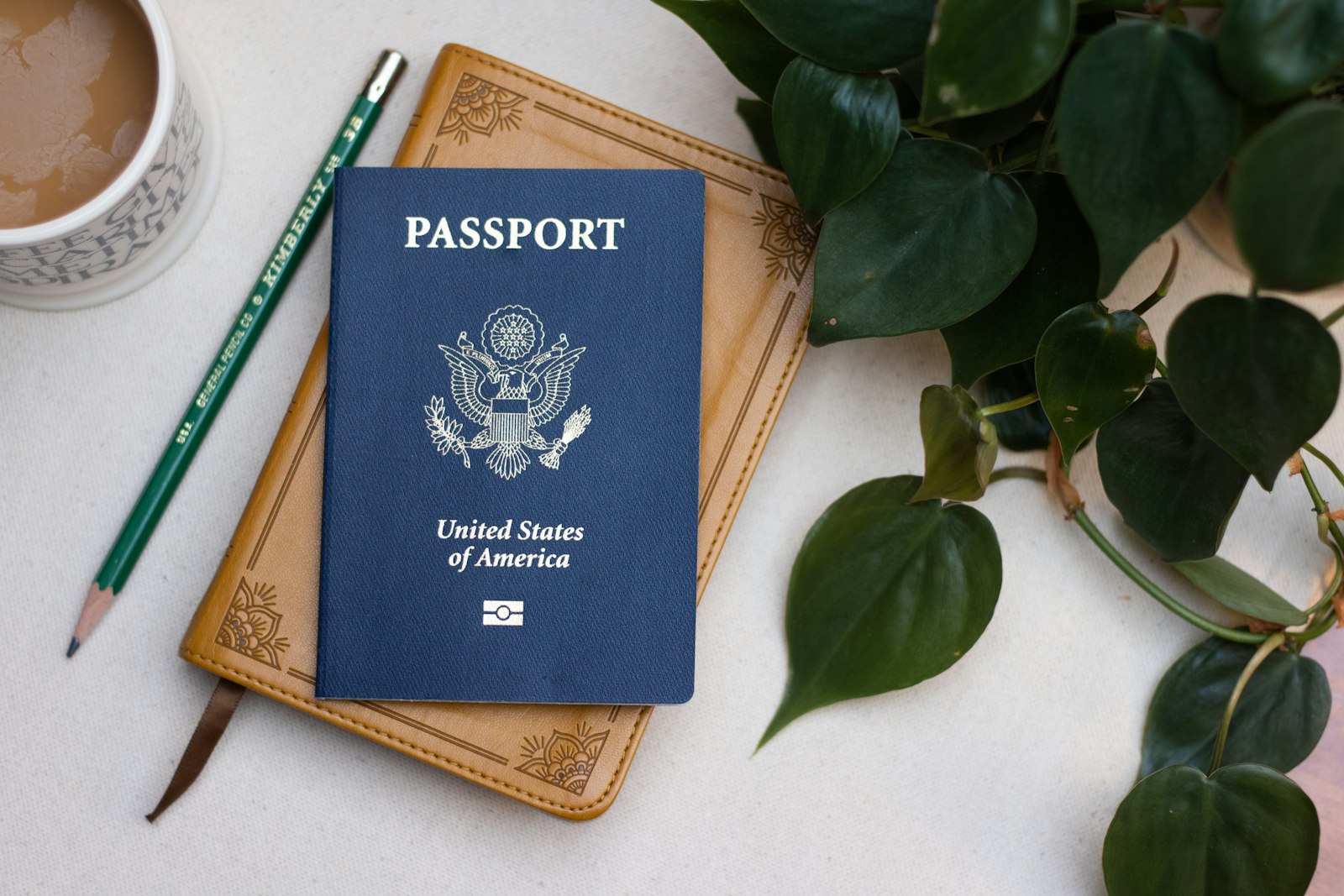
When James Mwangi was naturalised as a US citizen in a federal courthouse in Atlanta in 2019, the certificate he was handed had a serial number, a raised seal, and his name spelled the way it appears on his Kenyan birth record: three words, no shortening. Seven years and two presidential elections later, the same name is now what worries him.
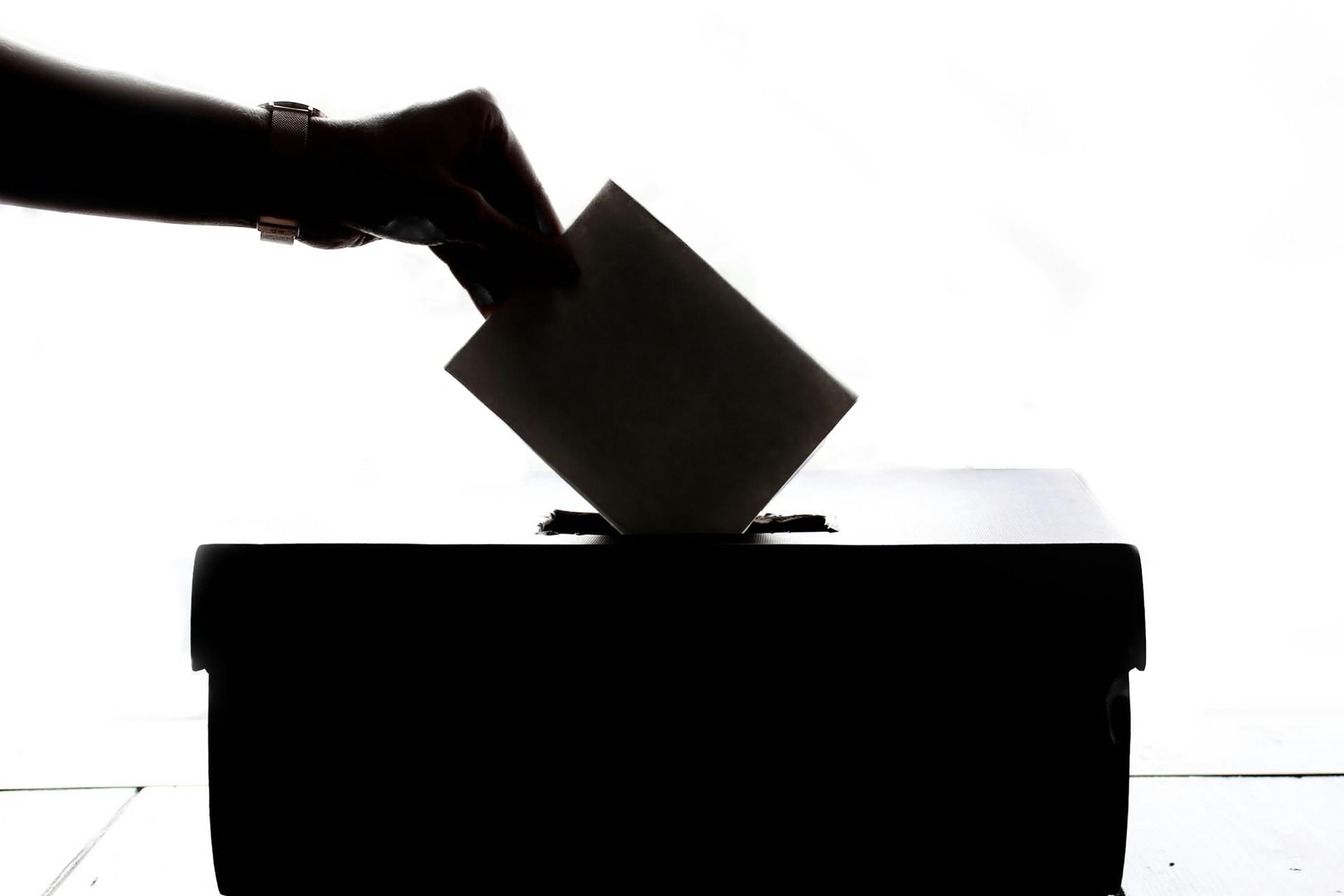
In March, President Donald Trump signed an executive order titled "Ensuring Citizenship Verification and Integrity in Federal Elections." The directive instructs the Department of Homeland Security, working with the Social Security Administration, to compile state-by-state lists of "confirmed US citizens" and hand those lists to election officials no fewer than 60 days before federal voting. On paper, the order is aimed at preventing noncitizen voting, which study after study has shown to be vanishingly rare. In practice, immigration lawyers and voting-rights groups are warning that the people most likely to be flagged are not undocumented residents — they are naturalised Americans like Mwangi, whose names, addresses or filing histories may not line up neatly across the federal systems the database will draw from.
For Kenyan-Americans, who number in the hundreds of thousands and are concentrated in metro Atlanta, the Dallas–Fort Worth area, the Twin Cities and the Washington–Baltimore corridor, the question is suddenly intimate: when November comes around, will the name on the voter roll match the name on the naturalisation certificate?
A March Signature, A May Reckoning
The executive order was signed on 31 March 2026 and largely ignored outside specialist legal circles for several weeks. That changed this week when Mwakilishi, the Kenyan diaspora outlet, published a detailed breakdown of the directive on 25 May, walking readers through how the database would be assembled and where it might fail. The Brennan Center for Justice, which has been tracking court filings, lists the order as actively contested in at least five federal jurisdictions, with judges in Maine, Wisconsin, Arizona, California and Michigan having already dismissed related Department of Justice attempts to requisition state voter files.
The timing matters. The first federal contests under the new regime are the 2026 midterms in November. If DHS is to deliver its citizenship list 60 days in advance, that machinery would have to be running by early September — three months from now.
What the Order Actually Says
According to the White House summary and the analysis published by the Institute for Responsive Government, the order has three main moving parts. First, DHS, with the Social Security Administration, must build a list of confirmed citizens in each state by combining naturalisation records, SSA files, data from the Systematic Alien Verification for Entitlements (SAVE) program, and other federal databases. Second, the list must be delivered to state election officials at least 60 days before a federal election. Third, states are required to send the US Postal Service a list of eligible voters, and USPS is barred from transmitting ballots to anyone not on that list.
Mwakilishi notes that the directive sits alongside earlier proposals — a citizenship question on the 2020 census, federal voter-ID checks — that struggled to advance through Congress. What is different now is that the same goal is being pursued by executive action, not legislation.
The Math Problem at the Heart of the Database
The proposal collides with a basic fact about American record-keeping: the United States does not have a single citizenship registry. Only about half of Americans hold passports. Social Security records include both citizens and noncitizens. Naturalisation files sit across multiple agencies without a unified index. Justice Department lawyers, asked during court hearings how the order would actually be implemented, told the bench that the administration has not yet decided.
David J. Bier of the Cato Institute, quoted in the Mwakilishi piece, called the proposal a likely "misuse of government power" because imperfect records "could lead to widespread mistakes." Nextgov, reporting in April on a panel of state election officials, characterised the technical goal as "not feasible" given the data the government currently holds. Brennan Center analysts have made the same point in plainer language: a database built from incomplete sources will produce incomplete answers, and the people the answers go wrong for will not be drawn from the population at random.
What Naturalised Kenyan-Americans Stand to Lose
The risk for the Kenyan community is structural rather than political. Most Kenyan-Americans who vote are naturalised — they took the oath, paid the fee, sat the test — and their files are scattered exactly across the systems the order proposes to fuse. Many also have name structures that do not always survive computer matching: a paternal name dropped on a driver's licence, a given name spelt with one M instead of two on a Social Security card, a middle name absent from a passport application but present on the naturalisation certificate. Each of those small mismatches is the kind of input a brittle database tends to read as "no record found."
A Kenyan-American attorney in Minneapolis who advises members of the Twin Cities diaspora community on civic registration, and who asked not to be named because she expects to litigate election-day complaints later this year, said her quietly stated worry is "not that anyone is going to be unmasked as not a citizen. It is that perfectly legitimate citizens are going to show up to vote, find a flag on their record, and be handed a provisional ballot that may or may not be counted."
That concern echoes what voting-rights groups warned about Florida's 2012 attempt to purge noncitizens from its rolls. That earlier effort flagged hundreds of legal voters, including naturalised Caribbean and African Americans, before being scaled back.
The Courts Are Already Pushing Back
The order's path through the courts has so far been bumpy. Federal judges in five states have ruled that the executive branch lacks the statutory authority to demand state voter data, and voting-rights organisations argue that the Constitution — under Article I, Section 4, and the Tenth Amendment — leaves election administration to the states. The Privacy Act of 1974, which limits how federal agencies share personal data without consent, adds a further obstacle. The Brennan Center's tracker lists multiple injunctive motions still pending.
For Kenyan-American voters, the legal opacity is itself a problem. If the order is partially blocked in some states but not others, what their county election office actually does in November will vary by zip code. The result could be a patchwork system in which a naturalised Kenyan voter in Maryland is screened one way, and a naturalised Kenyan voter in Texas another.
A Quiet Wait Until November
For now, Kenyan diaspora organisations in the United States are watching rather than acting. The Kenyan embassy in Washington has not commented publicly on the order — consistent with longstanding practice that the embassy does not speak to domestic US political disputes. Some community groups are quietly preparing voter-help hotlines for election day, and a handful of immigration lawyers in Atlanta and Houston have begun fielding calls from clients asking whether they should re-verify the spelling of their name on every government record they touch.
The simplest advice they are giving, two of them said, is the most prosaic: check your state's voter registration today, make sure the spelling and date of birth match your most recent federal document, and if a discrepancy turns up, fix it now rather than at the polling station in November.
For James Mwangi in Atlanta, that conversation has already happened. He checked his Georgia registration after seeing the Mwakilishi story on his WhatsApp group. The record was there, the name was correct, the precinct was the one he expected. He plans to vote early.
Until November, he says, he will probably check it again.