Ash Where the Bales Stood: A Night Fire in Machakos and the Two Hundred Traders Starting Over
A weekend blaze tore through Machakos Mitumba Market as firefighters battled without enough water. Governor Wavinya Ndeti has pledged KSh 1 million and restocked shops — traders want hydrants.
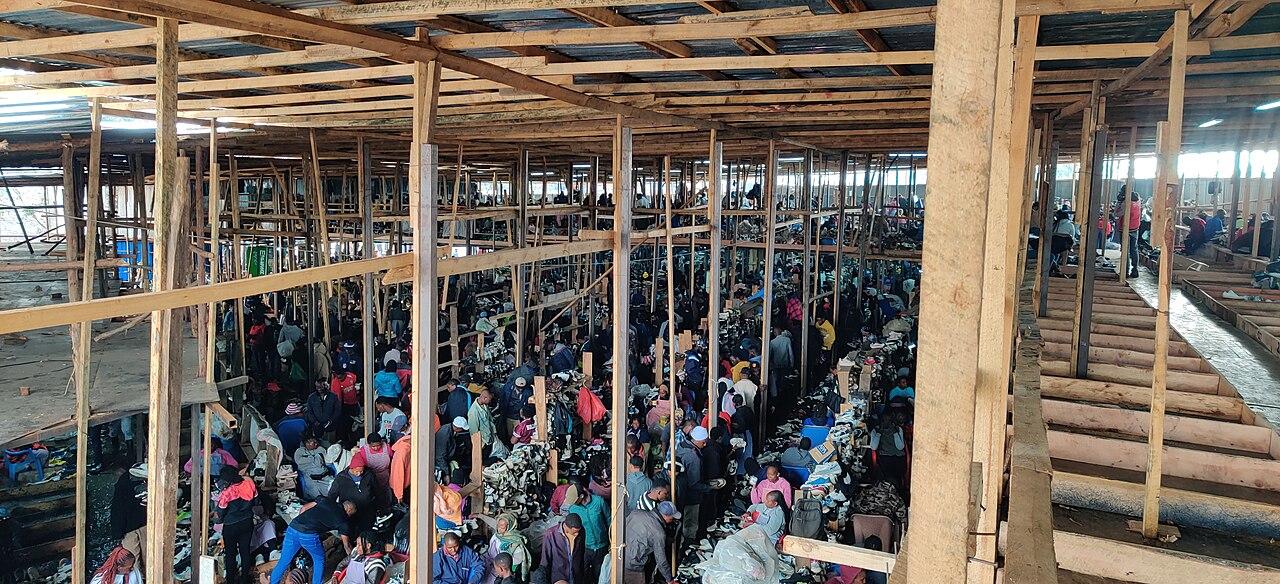
The bales were still smouldering when the first traders arrived at dawn. Machakos Mitumba Market is the kind of place that exists in every Kenyan town — rows of timber stalls stacked with secondhand clothes, each pile a small business, each business a family's tuition, rent and dinner. Over the weekend, a night fire moved through a large section of it, and by morning more than two hundred traders were standing in front of ash where their stock used to be.
The cause remains unknown. What is known, according to reporting by Tuko.co.ke, is how the fire won: it broke out at night, when the market was empty, and the county's firefighters arrived to find they could not get enough water on it. By the time the flames were beaten back, a commercial ecosystem had been reduced to charcoal and wire hangers.
The Water That Wasn't There
Machakos Town MP Caleb Mutiso Mule reached the market while it was still burning, and his account of the night has become the story's sharpest edge. Fire crews responded, he said, but their equipment was starved by an inadequate water supply — extinguishers and engines that could not be effectively deployed, delays that let the fire spread deeper into the stalls.
His prescription was blunt: install reliable fire hydrants, maintain the firefighting equipment, and fix response coordination before the next blaze. It is a demand that will sound wearily familiar across the country. Kenya's open-air markets burn with grim regularity — Nairobi's Gikomba, the giant of the mitumba trade, lost stalls near its Fish Market section in a fire just weeks ago — and the post-mortem is almost always the same: night-time ignition, no hydrants, no answers.
A Governor's Cheque and a Promise
On Monday, Governor Wavinya Ndeti walked through the burnt section and met the traders. "I am deeply saddened by the devastating fire at Machakos Mitumba Market," she said, announcing a personal contribution of KSh 1 million toward recovery. More consequentially for the traders, she committed her administration to restocking every destroyed shop with KSh 50,000 worth of merchandise — a direct, per-trader intervention rather than a general fund.
She also promised something bigger: a modern, well-planned trading centre to replace the timber rows, and a public investigation into the fire's cause. Traders have heard versions of the modern-market promise before, in Machakos and everywhere else; whether this one survives the county budget cycle will be the real test of Monday's sympathy.
The arithmetic of the relief is worth pausing on. Two hundred shops restocked at KSh 50,000 each is KSh 10 million in merchandise — meaningful, but a fraction of what a full stall of good-grade mitumba represents, and nothing replaces the customer relationships, credit arrangements and prime pitches that burned with the stock.
The Trade That Ties Two Worlds
A mitumba market fire is a local disaster with an international supply chain behind it. The bales that fill Machakos's stalls begin their lives in donation bins and thrift consolidators in the United States, Britain, Canada and beyond — sorted, compressed and shipped by the container to Mombasa. Industry estimates have long put Kenya's secondhand clothing imports in the hundreds of millions of dollars a year, with the wider trade supporting some two million livelihoods, from port clerks to the mama mtumba who knows which customer wants which size.
That makes this a diaspora story in two directions. The jacket a Kenyan nurse in Baltimore drops in a donation bin can plausibly end up on a Machakos rail. And when a market like this burns, the recovery money often flows back along the same route: county relief first, then the quieter machinery of family remittances as sons and daughters abroad top up M-Pesa accounts to restart a mother's stall. Kenya's diaspora sends home more money than any export earns; disasters like this are one of the moments that money is for.
An Economy Built on Embers
The deeper story is fragility. Kenya's informal markets — mitumba stalls, jua kali sheds, fresh-produce rows — generate the majority of the country's employment while operating almost entirely without the protections formal business takes for granted. Insurance is rare. Stock is uninsured cash converted into cloth. A single night's fire can erase a decade of accumulation, and there is no claims adjuster coming.
That is why the MP's unglamorous demand about hydrants matters more than the relief cheque. The KSh 1 million heals this wound; water infrastructure prevents the next one. Traders' associations have argued for years that counties collect daily fees from every stall while investing almost nothing in the fire safety of the markets those fees come from. Machakos now has a very public opportunity to break that pattern — and a governor on record promising to.
What Recovery Looks Like
By midweek, if the pattern of Kenyan market fires holds, the first rebuilt stalls will already be trading — timber reframed, new bales bought on credit, customers returning out of loyalty and necessity. The resilience is real, and it is also the problem: because traders always rebuild, the institutions around them are never forced to.
For the more than two hundred families counting losses this week, the immediate needs are concrete — restocked shelves, waived fees, a marketplace that reopens fast. For everyone watching from farther away, including the diaspora Kenyans whose donated clothes and remitted shillings bracket this trade at both ends, the question is the recurring one: how many more markets have to burn at night, next to dry hydrants, before fire safety becomes part of what a market is?