A Passport Without the Drive to Los Angeles: How Kenya Took Its Consulate to Colorado for Three Days
For three days in a suburban Aurora church hall, Kenyans across the Mountain West could renew passports and register births without a thousand-mile journey.
By the time the doors opened at nine on Bethany Drive, the line inside Wellsprings of Joy Church already curved past the folding tables. The venue was an ordinary church suite in Aurora, a Denver suburb better known for its strip malls than for Kenyan officialdom. For three days this week, though, Suite 214 became something rarer: a working extension of the Republic of Kenya, staffed by consular officers who had flown in from Los Angeles to do, in person, what thousands of Kenyans across the American West usually cannot do without a flight or a very long drive.
The mobile consular outreach ran from 4 to 6 June, daily from 9:00 a.m. to 5:30 p.m., and on paper it was a modest affair — passport renewals, applications for police clearance certificates, national identity cards, birth certificates, and a handful of other services. In practice, for the families who arrived with folders of documents and restless children, it was the difference between a settled legal life abroad and one lived in quiet administrative limbo.
A Consulate That Came to Them
The event was organised by the Kenya Consulate in Los Angeles in partnership with the State Department for Diaspora Affairs. The Los Angeles mission is responsible for an enormous slice of the United States: thirteen western states, from Alaska and Hawaii to Arizona, Washington, Oregon and Colorado. On a map, that jurisdiction looks tidy. On the ground, it means a Kenyan in Denver who needs to renew a passport is, in effect, asked to deal with an office more than a thousand miles away on Wilshire Boulevard.
Mobile outreach is the consulate's attempt to shrink that map. Rather than requiring citizens to travel to Los Angeles, officers pack the essential machinery of document processing into a borrowed hall for a few days and let the community come to them. Organisers urged Kenyans living in Denver, Aurora, Colorado Springs and nearby towns to arrive early to avoid congestion, and to bring every supporting document they might need — existing passports, identity cards, birth certificates, application forms and proof of payment. The advice was practical, but it also hinted at the stakes: a single missing paper can mean another year of waiting.
The Distance Problem
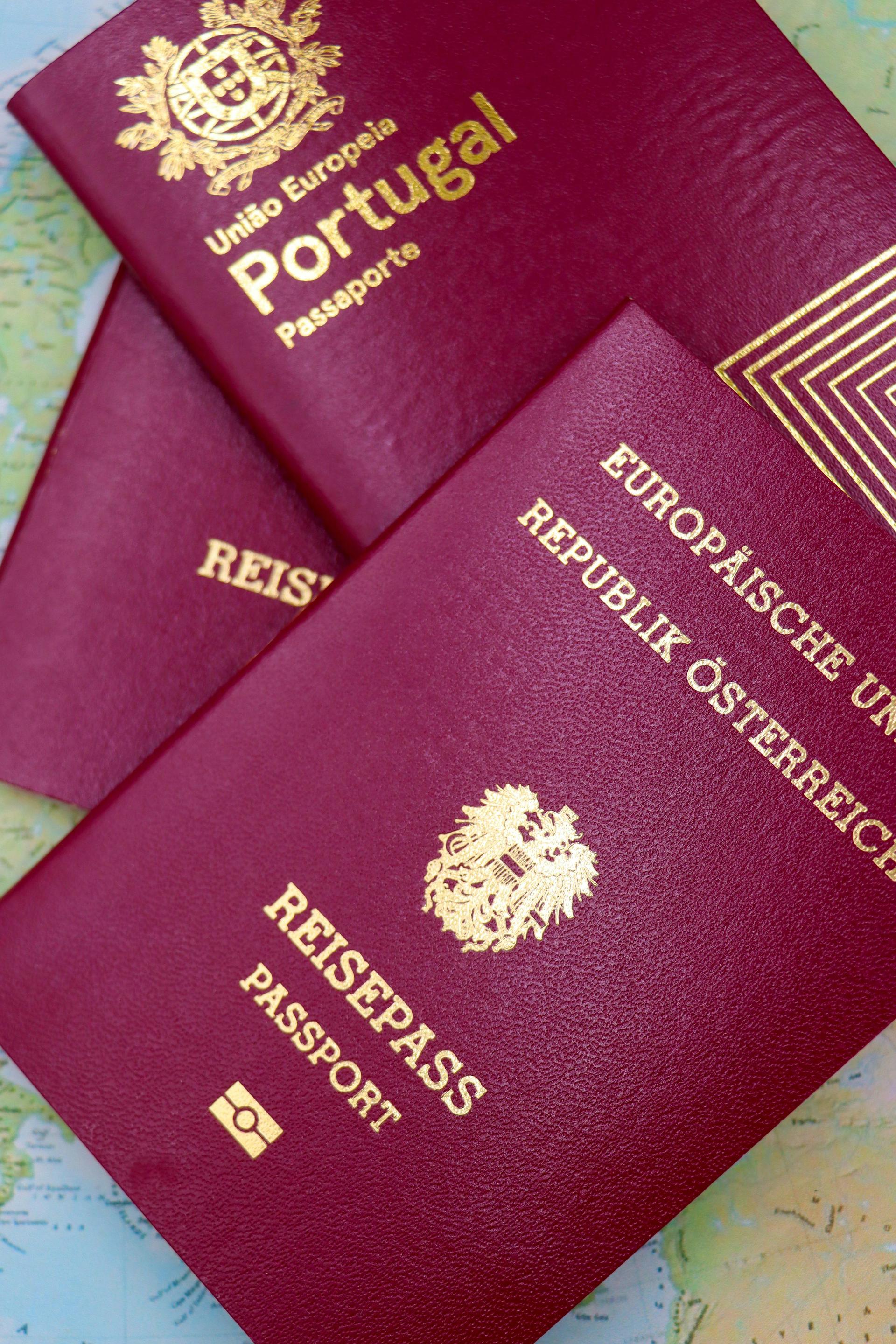
For Kenyans scattered across the Mountain West, distance is not an abstraction. It is petrol money, unpaid leave, hotel nights and childcare. A passport that has quietly expired can freeze a person in place — unable to board an international flight, reluctant to start a job that requires fresh documentation, anxious about what happens if a parent back home falls ill and travel suddenly becomes urgent.
The same is true of the less glamorous paperwork. A certificate of good conduct, issued as a police clearance, is often a precondition for licensing, employment or immigration steps in the United States. A Kenyan birth certificate can determine whether a child born abroad is recognised as a citizen with a claim to a Kenyan passport. These are the documents that knit a diaspora life together, and until recently obtaining them meant surrendering days to travel. The Aurora outreach compressed that ordeal into a short drive across the Denver metro for many, and a far more manageable trip for those further out.
What Three Days Can and Cannot Fix
A pop-up consulate is not a permanent one, and it would be misleading to pretend otherwise. Officials said the Aurora event was expected to attract hundreds of participants, a number that speaks to pent-up demand as much as to convenience. Three days, even long ones, can absorb only so many applicants, and those who arrive without the right documents may leave with little more than a checklist for next time.
There are limits the outreach cannot touch, either. Document processing does not end when a form is submitted in a church hall; passports are still produced elsewhere, and applicants still wait. What the mobile model changes is the first and most exhausting step — the act of presenting yourself, in person, to an officer of your own government — by moving it within reach. For a community that has learned to treat consular access as a scarce resource, that shift is not trivial.
A Wider Drive to Reach the Diaspora
Aurora is one stop in a broader push. The Kenyan government, through the State Department for Diaspora Affairs and its missions in the United States, has been expanding mobile consular services to cities far from its consulates, with earlier sessions staged in places such as Dallas and Kansas City. The logic is consistent: meet citizens where they actually live, in Texas suburbs and Colorado church halls, rather than expecting them to converge on a single coastal office.
The strategy reflects a quiet recalculation in Nairobi about what the diaspora is worth. Kenyans abroad send home billions of dollars a year, a flow that now rivals the country's largest exports, and successive governments have leaned harder into the language of engagement — protecting, empowering and connecting citizens overseas. Consular outreach is where that rhetoric meets a folding table. It is cheaper than a new building, faster than a new consulate, and visible in a way that a policy paper never is.
Why It Matters Beyond the Paperwork
It would be easy to file an event like this under bureaucracy and move on. That would miss the point. For a Kenyan raising children in Colorado, a current passport and a recognised birth certificate are not paperwork; they are proof of belonging to two places at once. They are what allows a person to remain legally secure in the United States while keeping a door open to home.
The line on Bethany Drive will dissolve once the officers fly back to Los Angeles, and the Mountain West will return to its usual distance from Nairobi's institutions. But for three days, a suburban church hall held something the diaspora rarely gets to feel: the sense that the state they left behind had, for once, come looking for them. Whether these outreach drives become frequent enough to matter, or remain occasional reprieves from a long commute, will say a great deal about how seriously Kenya intends to treat the citizens who keep so much of its economy afloat.