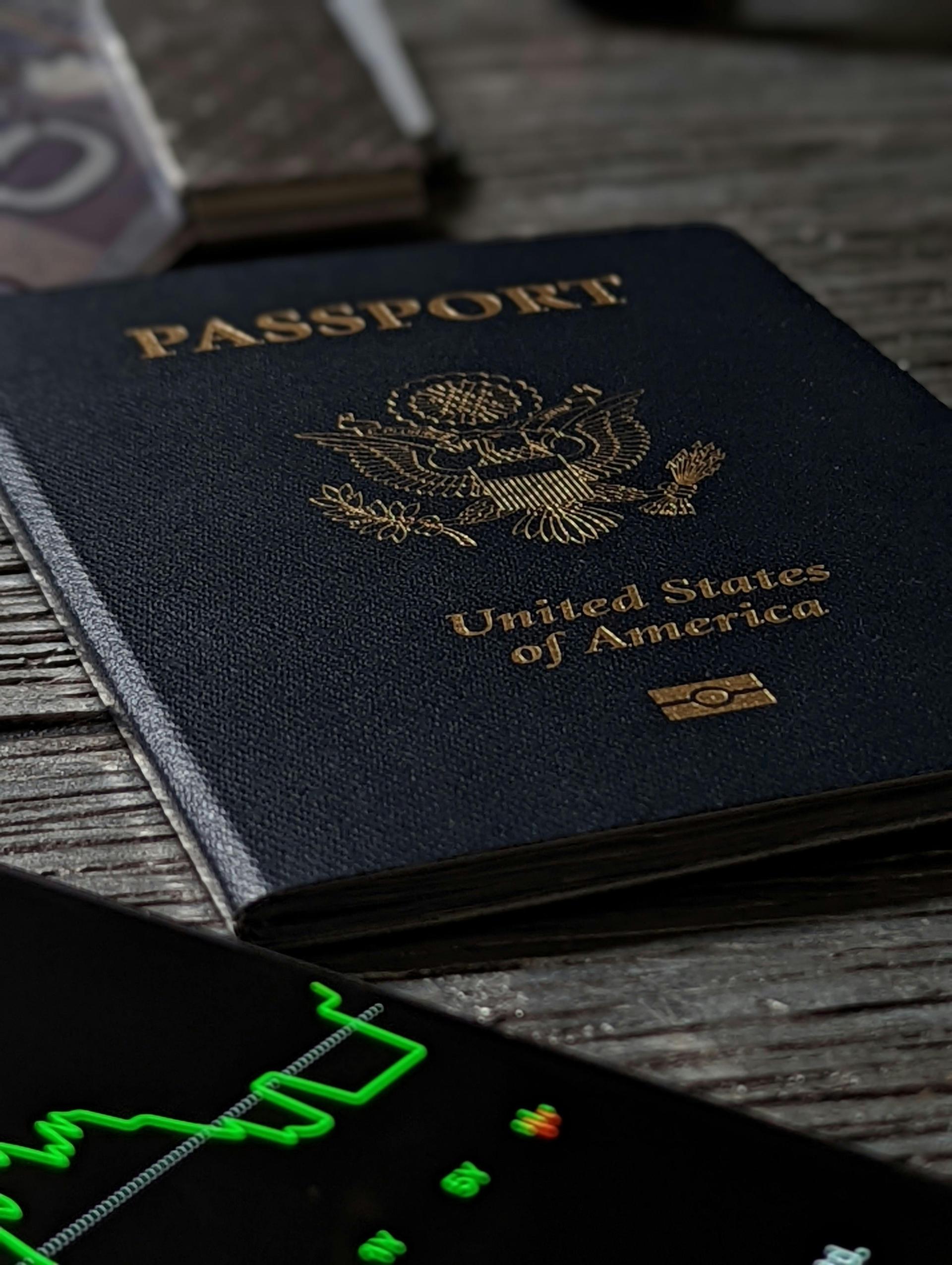
Trump Administration Forces Kenyans to Return Home for Green Card Processing
US Citizenship and Immigration Services has announced that non-immigrant Kenyans seeking permanent residency must now return to Kenya and apply through the US Embassy in Nairobi, ending the practice of adjusting status w
Thousands of Kenyans living in the United States on temporary visas face a wrenching choice: return home to apply for permanent residency or risk deportation without ever securing their green cards.
<cite index="21-8,21-9">US Citizenship and Immigration Services (USCIS) has announced that non-immigrants from various countries seeking to adjust their status must do so through consular processing outside the United States, meaning Kenyans who came to the US as non-immigrants—students, temporary workers, or people on tourist visas—will need to go back to Kenya and apply with the US embassy in Nairobi for adjustment of status to permanent resident.</cite> <cite index="21-10">Before this announcement, Kenyans could adjust their status while in the US without having to return home.</cite>
Who Is Affected
<cite index="21-11,21-12">This latest announcement by the Donald Trump administration could affect thousands of Kenyans, who are one of the largest source countries in Africa for non-immigrant visas to the US, including students, temporary workers, and visitors.</cite> <cite index="23-1,23-2">The changes are likely to affect a large number of pending applications, estimated at around one million, and affected applicants, including many Kenyan nationals, may face the prospect of separation from families and employment disruption while completing the process through consular posts abroad.</cite>
<cite index="21-19,21-20">The policy applies to most non-immigrants—students, temporary workers, tourists, or parolees.</cite> <cite index="23-3">Certain categories, such as holders of visas with dual intent like the H-1B, may still be eligible to adjust status within the US, though most other applicants will be directed to consular processing.</cite>
How the Rules Have Changed
<cite index="21-13,21-14,21-15">Immigration officers now have added discretion to decide whether to approve adjustment of status or force the applicant who is currently in the US to file for it in their home country, meaning adjustment of status is no longer automatic; unlike in the past when it was routine for those meeting the requirements upon application, USCIS officers can now determine if a case merits a favourable exercise of discretion.</cite> <cite index="21-16">Such adjustments will only be granted under \"extraordinary circumstances.\"</cite>
<cite index="21-6,21-7">In the past, non-immigrant foreigners just had to show they were eligible for adjustment of status, but this change in immigration policy tightens the standards for approval.</cite> <cite index="23-12">USCIS has described adjustment of status as a discretionary form of relief, giving immigration officers greater authority to decide whether applicants may pursue it domestically.</cite>
<cite index="21-21">Red flags and factors that could work against approval of applications in the US include if applicants engaged in unauthorised employment, made false statements, or overstayed their visas.</cite>
What It Means in Practice
<cite index="21-17">Because USCIS is prioritising adjustment-of-status cases being processed at consular offices abroad, most Kenyans will have to return to the US embassy in Nairobi to apply for an immigrant visa.</cite> <cite index="21-2,21-28">More worrying is that shifting the burden of adjustment of status to understaffed US consular offices abroad could lead to longer delays in Kenyans getting visas and approvals.</cite>
<cite index="23-4">Immigration lawyers have advised that applicants may need more extensive legal preparation to meet the stricter requirements and navigate the revised procedures.</cite> <cite index="23-5">The changes are also expected to place additional pressure on US embassies handling visa processing overseas.</cite>
<cite index="21-22,21-23,21-24">Bowling Green University professor Kefa Otiso sees this change as an extension of the harsher Trump immigration policy towards foreigners: \"This is a continuation of his (President Trump's) State of the Union Address, in which he vowed to continue his immigration crackdown. In short, tougher immigration enforcement will continue to affect Kenya and most African countries.\"</cite>
A Silver Lining
<cite index="21-25">On a more positive note, adjustment of status may still be granted if the applicant holds an H-1B visa—that is a visa category with dual intent—or qualifies for adjustment of status through humanitarian relief.</cite>
What Comes Next
Immigration attorney Otieno Ombok told the *Daily Nation* that the Kenya US Bar Association—with over 200 Kenyan immigration attorneys—is available to support Kenyans facing removal proceedings or needing their immigration status adjusted.
<cite index="21-4,21-30">Overall, Kenyans and other non-immigrant aliens, tired of trying to come to the US, could opt to go to other destinations, denying America skills, youthful workers, and the leverage of cultural diplomacy from immigrants from abroad.</cite> <cite index="2-1">The policy arrives as Kenya's diaspora in the United States is estimated at 200,000 to 300,000 Kenyans, one of the largest African immigrant communities in America, and underscores the Trump administration's broader immigration agenda targeting legal pathways to permanent residence.</cite>
Reporting drawn from Daily Nation, Mwakilishi, Mwakilishi - Kenyan Diaspora By Numbers.