The Walk to the Union Buildings: How Ruto's Three-Day South Africa Visit Lands on a Quietly Growing Kenyan Diaspora
From June 3 to 5, President William Ruto travels to Pretoria for a state visit. For Kenyans living in South Africa, the trip is more than a diplomatic photograph.
In the small hours of Monday morning, an open-plan office on the northern edge of Midrand was already lit. A Kenyan accountant who has worked in Johannesburg since 2017 was scrolling through a press statement from the South African presidency. President William Ruto, the statement said, would arrive within the week for a three-day state visit. The accountant copied the link into a WhatsApp group with two former colleagues — one in Cape Town, one in Pretoria — and asked the obvious question. "Are any of us in the room?"
The answer, for most Kenyans living in South Africa, is no. Kenya's South African diaspora rarely figures into the headlines the Office of the President produces back in Nairobi. A bilateral meeting on the African Union sidelines, a trade communiqué — the diaspora tends to read about the deal first, and only then ask where it lands on them. June's visit looks different in form, if not in instinct. Three days. A formal welcome at the Union Buildings in Tshwane. A business forum at Gallagher Estate. A new sheaf of Memoranda of Agreement that Pretoria has said will be signed.
For Kenyans in South Africa, that combination — protocol, paperwork and a long-cleared business agenda — is the one moment when the bilateral becomes personal. The visa lines, the work-permit timelines, the sectoral barriers that decide whether a Kenyan engineer in Sandton can keep her job past her next renewal — those sit downstream of exactly the kind of MOA that Ruto's delegation is travelling south to sign. Whether the diaspora sees its name in the final text is a separate question.
What the State Visit Actually Is
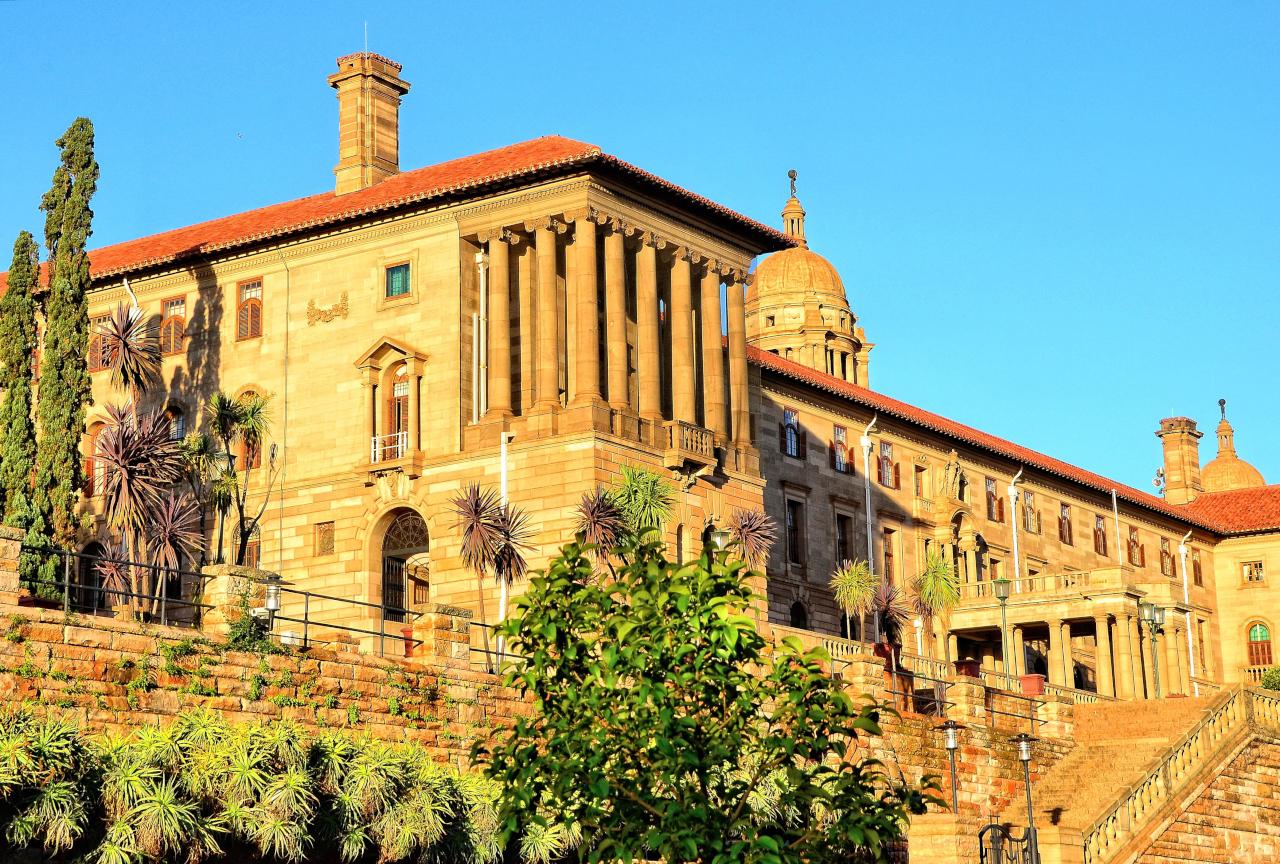
According to a statement from the South African presidency, confirmed by Kenyan outlets including Citizen Digital, The Star and Tuko, the visit runs from Wednesday June 3 to Friday June 5. The centrepiece is Thursday June 4: a formal welcome ceremony at the Union Buildings in Tshwane, where President Ramaphosa will receive President Ruto on the lawns of the seat of the South African government; bilateral talks between the two heads of state; the signing of several Memoranda of Agreement; and a joint press briefing.
Later that day, the two presidents are scheduled to attend the South Africa–Kenya Business Forum at Gallagher Estate in Midrand, Johannesburg — the convention complex that routinely hosts Africa's largest gatherings of mining, finance and energy executives. The forum's stated focus, in the South African presidency's words, is "expanding economic cooperation, facilitating business partnerships and exploring strategies to unlock greater trade and investment opportunities." Kenyan diaspora investors and small-business owners in Gauteng have already begun requesting seats.
A Relationship Older Than Many Realise
South Africa and Kenya re-established formal diplomatic relations in 1994, immediately after Pretoria's transition to democracy. In the more than three decades since, the relationship has produced a steady but unglamorous flow of trade — Kenyan tea, coffee and horticulture going south; South African retail, banking and engineering capital coming north. Kenya is one of South Africa's most-watched East African partners. South Africa, in turn, is one of the few African countries where Kenyan firms operate as full subsidiaries rather than as branches.
The diaspora that this thirty-year exchange has generated is small by US, UK or Gulf standards but rooted. It is concentrated in Johannesburg, Pretoria, Cape Town and Durban. Many Kenyans came south on three-year contracts with banks, accounting firms and pan-African groups, then stayed. Others arrived through the education channel — Cape Town, Stellenbosch, Wits — and slid into work-permit pipelines that the South African Department of Home Affairs renews case by case.
The Visa and Work Permit Conversation
It is at exactly that case-by-case point that the visit's MOAs matter more than ceremony. Kenyans in South Africa have spent the past five years navigating a tightening immigration environment: revisions to the Critical Skills List, the General Work Visa backlog, the long queues for spousal permits. Diaspora chairs in Johannesburg have repeatedly raised the work-permit conversation with the Kenyan High Commission, asking that General Work Visa renewals be moved out of the months-long queue they currently sit in.
Bilateral MOAs do not in themselves rewrite immigration regulations. They can, however, name new sectoral categories. They can also create the political appetite to clear backlogs inside domestic departments. For Kenyans in South Africa, the small print of what gets signed on June 4 — and whether labour-mobility harmonisation appears at all — will be read with that history in mind.
What the Business Forum Could Move
The Gallagher Estate business forum is the visit's softer half, but for the diaspora it is in some ways the harder one. South Africa is, by most measures, the most institutionally developed economy on the African continent. Its banking, retail and logistics depth means that Kenyan businesses listed in Nairobi look at Johannesburg less as a market on its own than as a route into the wider Southern African region — Mozambique, Zambia, Namibia. Kenyan diaspora founders in Cape Town and Sandton have lobbied for two specific items in the past year: mutual recognition of accountancy and engineering credentials, and clearer pathways for Nairobi-listed firms to raise capital on the JSE.
Whether either makes the joint communiqué is unknown. Both are within reach of the broad cooperation language the two presidencies tend to issue after a state visit. Both would be felt fastest by Kenyans who have already built businesses in Gauteng.
What Comes After June 5
State visits end. The handshake outside Union Buildings is a moment; the work that follows is a year. For Kenya's South African diaspora, the practical test will be visible months from now, when the first renewals of the new South African fiscal year begin moving through Home Affairs. If General Work Visa decisions clear inside six months instead of twelve, the visit will have meant something tangible. If they do not, the MOAs will sit on a shelf in Tshwane next to thirty years of similar documents.
The Kenyan accountant in Midrand had one more line in her WhatsApp message before she closed the laptop on Monday. "Let's see the photos on Thursday." That, in the end, is what the diaspora reads first.