The Tide Malindi Didn't Order: A Beach Festival, a Moral Panic, and the Question of Who the Coast Is For
Summertides brought thousands of spending young Kenyans to Malindi — and a clergy-led call to ban it. Beneath the morality row sits a harder question about the coast's economy.

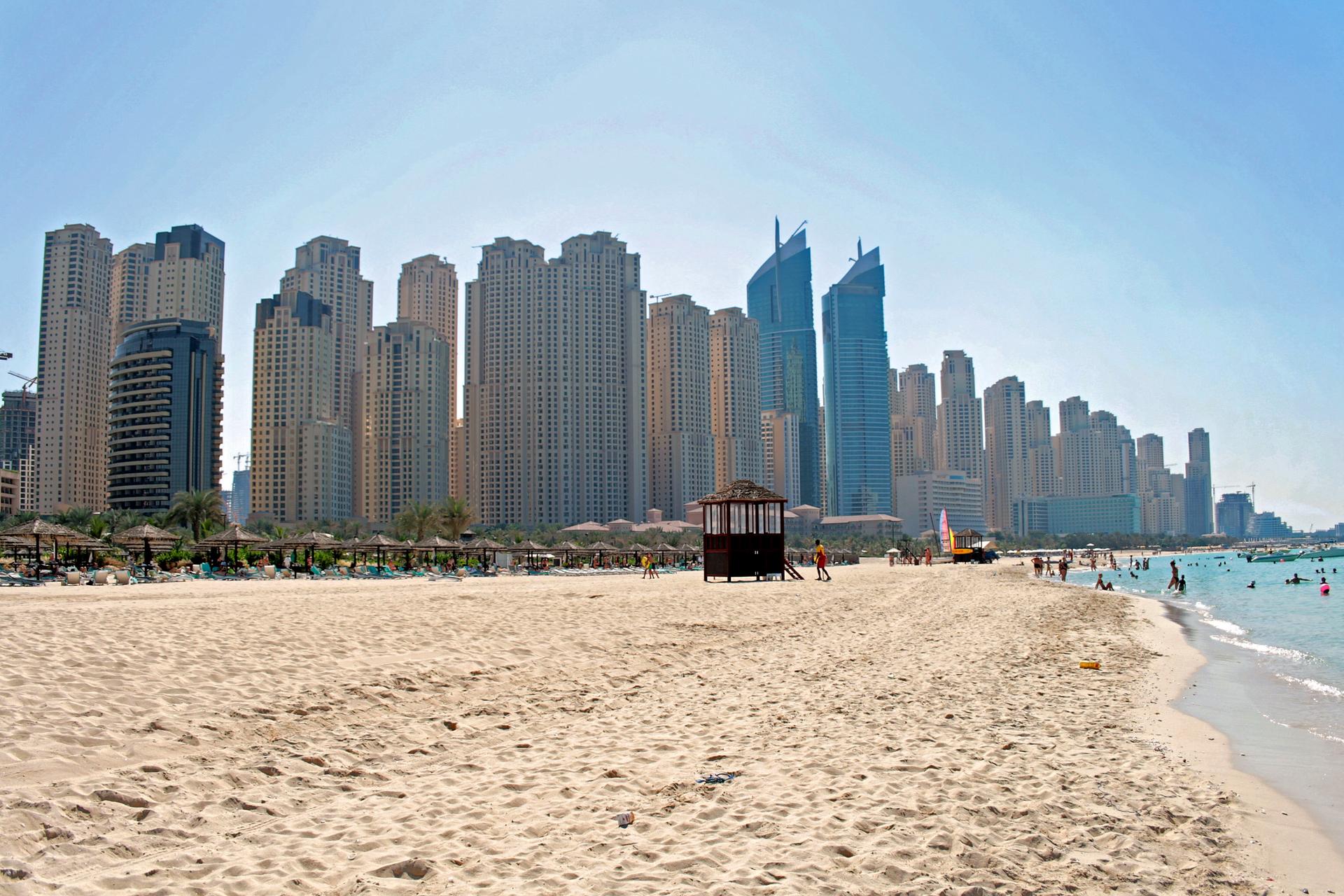
For three days at the start of July, a stretch of Malindi that usually belongs to package tourists and fishermen belonged instead to the young. Tens of thousands of them came for Summertides, the beach festival that had outgrown its old home in Diani and moved north to the Lost Beach Club, filling hotels and matatus and the tills of every trader within reach of the sand. When they left, they took the money with them and left behind an argument that Kenya is still having.
The argument is nominally about morality. It is really about something larger: who the coast is for, what its economy is allowed to look like, and whether a country can scold its young for spending in the one place that seems glad to have them.
What Actually Happened at the Beach
The facts are not much in dispute. From 2 to 4 July, Summertides drew a large, overwhelmingly young crowd to Malindi for music and nightlife, the kind of festival that has become a fixture of the East African summer calendar. Organisers framed the relocation from Diani as an expansion, a chance to grow the event and to sell Malindi as a destination for entertainment tourism rather than only the sedate beach holidays it is known for.
By most accounts the town's businesses had a very good weekend. Hotels filled, restaurants ran late, transport operators and small traders took in cash they do not usually see in a single July weekend. For a coastal economy that has spent years complaining of thin seasons and empty rooms, a flood of free-spending visitors is not a nuisance. It is oxygen.
The Clergy Draw a Line
Not everyone welcomed the tide. Religious leaders in Malindi were quick and loud in their objection, questioning aspects of the festival they said promoted moral decline — pointing to alleged indecent dressing, heavy drinking, drug use and explicit performances. Some called for future editions to be banned outright. The complaint was amplified from Nairobi, where a county official, Geoffrey Mosiria, publicly urged the government to shut the festival down.
Their concern is sincere and it is not new. Every generation of Kenyan authority has looked at what the next generation does with its leisure and seen a country losing its way. The coast, with its long history as a place where visitors come to shed inhibitions, has always been the front line of that anxiety.
The Money Argument
Against the pulpit stands the ledger, and its case was made plainly by voices in the tourism trade. Investors in the sector pointed out what the festival's critics tend to skip past: a small town that can attract tens of thousands of young people willing to spend is sitting on a genuine economic opportunity, not a threat. In a region where youth unemployment is punishing and formal jobs are scarce, a weekend that puts cash directly into the hands of drivers, cooks, cleaners, security staff and stallholders is not easily dismissed as decadence.
That is the tension in a sentence. The same crowd that scandalises the clergy is the crowd that pays Malindi's wages for the weekend. To ban the festival is to choose a version of the coast's morality over a version of its livelihood, and the coast has rarely been able to afford that choice.
The Diaspora on the Sand
There is a diaspora dimension to Summertides that rarely makes the sermons. July is homecoming season. It is when Kenyans who have built lives in London, Atlanta, Dubai and Sydney return to see family, attend weddings and, increasingly, to be tourists in their own country. Events like Summertides are part of what draws that returning generation to the coast rather than to a resort abroad, and diaspora money — spent freely, in hard currency converted to shillings — is woven into the very economy the festival feeds.
For many in the diaspora, the debate itself is familiar in a personal way. They left a Kenya that told them how to dress and behave, built lives in places with looser rules, and now return to find the old arguments waiting on the beach. The morality row over Summertides is, for them, a small annual referendum on how much the country has changed, and how much it wants to.
Whose Crisis Is It, Really
The sharpest commentary this week did not come from either the clergy or the promoters. It came from writers who argued that the outrage is misdirected — that leaders who fall silent about corruption and the theft of public resources suddenly find their voices when young people dance, and that a festival is a convenient moral crisis precisely because it is so much easier to condemn than graft. Their point is not that anything goes, but that a country which cannot fund decent schools, jobs and hospitals for its youth has lost the standing to lecture them about a weekend at the beach.
That is the debate Summertides has really opened. The music has stopped and the crowd has gone home, but Malindi is left holding both the weekend's takings and the weekend's argument. Somewhere between the clergy's ban and the promoters' boom lies the question the coast keeps being asked and never quite answers: whether Kenya can build a future its young people actually want to stay for, or whether it will keep settling for scolding them on their way through. Until it answers, the tide will keep coming in — every July, a little larger than the last.