The Ticket Home She Could Not Buy: A Stranded Worker in Oman and Kenya's Gulf Labour Reckoning
Florence Muthoni left for Oman in 2022 to lift her family. Four years on — pregnant and without income — she could not afford the flight back, until the agency that sent her finally paid.
When Florence Muthoni left Kenya for Oman in 2022, the plan was the one thousands of young Kenyan women carry onto the plane with them: a couple of hard years in a Gulf household, a steady wage wired home each month, and a return ticket waiting at the end of the contract. For a while, the arithmetic held. Then her circumstances changed. She became pregnant overseas, and as the pregnancy made it harder to keep working, the income that had justified the whole journey thinned and then stopped.
What followed is the part of the migration story that the recruitment brochures never mention. Without wages, Muthoni could not save. Without savings, she could not buy the flight home. And so she was stranded — not by a locked door or a court order, but by the oldest trap of all, the simple inability to afford the way out. According to Mwakilishi, which reported her case on 16 June, she eventually appealed for help, and the recruitment agency that had placed her in Oman covered the cost of her air ticket and related travel expenses. She is expected to leave in the coming days.
One Case, Carefully Stated
It is worth being precise about what is known. The details of Muthoni's employment contract have not been independently verified, and the account of her ordeal rests largely on her own appeals and a single published report. What can be said with confidence is narrow: a Kenyan woman went to Oman to work, lost her income after becoming pregnant, could not fund her own return, asked for help, and is now being helped home by the agency that recruited her.
That modesty matters, because stories like hers are easily inflated or flattened into villains and victims. The more honest framing is that Muthoni's case is a single, legible window onto a pattern that is far better documented than any one woman's paperwork — the precarious position of Kenyan domestic workers across the Gulf.
A Pattern Bigger Than One Woman
Muthoni is not an outlier. In December, Kenyans rallied around Rodah, a young woman from Kitale in Trans Nzoia County, who described six months in Oman marked by punishing workloads and harassment and said her employer had refused to release her passport. Strangers online raised more than 200,000 Kenyan shillings to try to bring her home. Earlier this month, a separate appeal circulated for a Kenyan woman in Dubai seeking help to return after a sudden paralysis left her unable to work. The names change; the shape of the crisis does not. A worker goes out on a tied contract, something breaks — health, the employer relationship, the pregnancy, the body — and the support structures that should catch her turn out to be a fundraiser and the kindness of people who have never met her.
The common threads are striking. Many of these workers are women in domestic roles, the corner of the labour market with the least oversight. Many describe confiscated passports, a practice that is illegal in several Gulf states yet remains widespread. And almost all describe the same financial dead end: a return ticket that costs more than they have, in a country where they cannot simply pick up other work to fund it.
Who Is Supposed to Catch Them
On paper, Kenya has machinery for exactly this. Private recruitment agencies must be licensed and are meant to be held responsible for the welfare of the workers they place, including repatriation when things go wrong. The state has signed bilateral labour arrangements with Gulf governments intended to set minimum protections. Pre-departure training is supposed to prepare workers for the realities of the kafala-style sponsorship systems they are entering.
The Muthoni case shows that machinery working — but only just, and only after the fact. It was the recruitment agency, not a government rescue fund or an embassy programme, that ultimately bought the ticket, and it did so after she had already exhausted her own options and gone public with an appeal. A protection system that depends on a worker becoming desperate enough to plead her case in the press is not really a protection system. It is a safety net stitched together at the moment of the fall.
The Cost of an Export Strategy
The backdrop to all of this is a deliberate national policy. Kenya has actively encouraged labour migration to the Gulf as a release valve for youth unemployment and a source of the remittances that now rank among the country's top foreign-exchange earners. Every successful placement is counted as a win. The workers who fall through — the pregnant, the injured, the abused, the simply unlucky — are far harder to count, and far easier to leave as individual misfortunes rather than as the predictable byproduct of a system running at scale.
That is the reckoning Muthoni's quiet homecoming invites. If tens of thousands of Kenyans are sent into tied contracts in jurisdictions where a change in personal circumstances can strand them, then repatriation cannot be an afterthought handled case by viral case. It has to be designed in: an enforceable obligation on agencies, a funded emergency channel through the missions, and real consequences for employers who hold passports hostage.
The Long Way Home
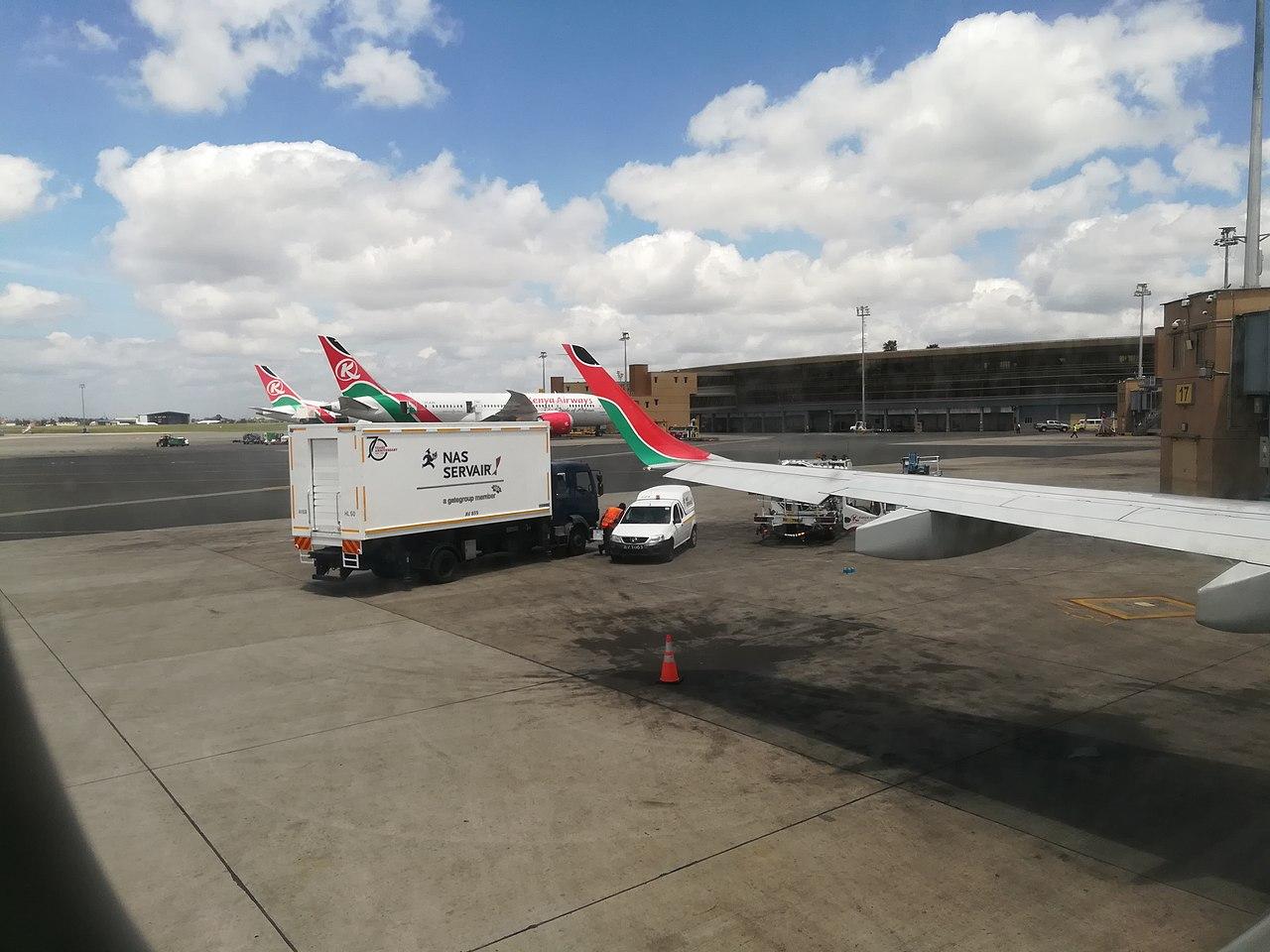
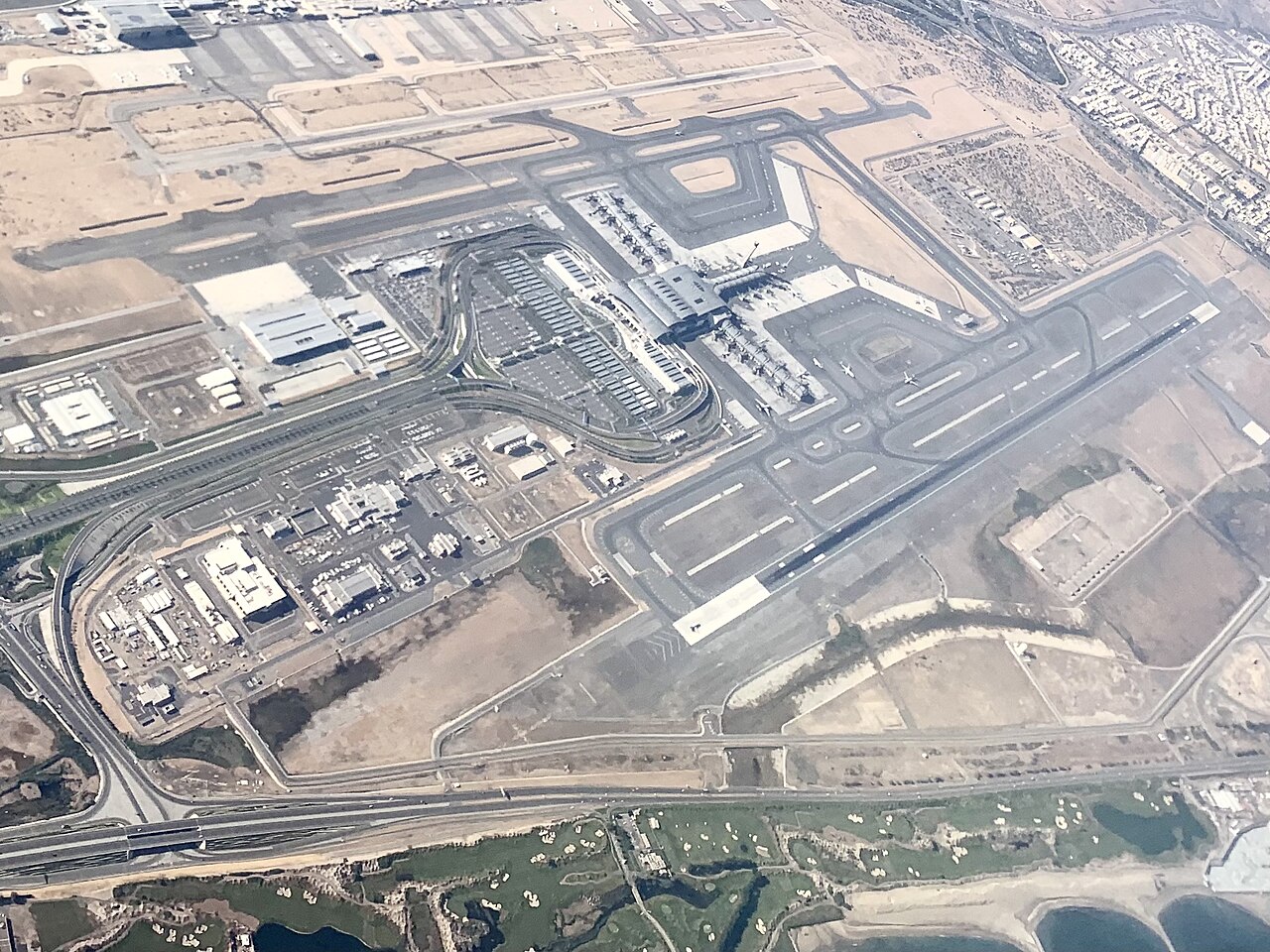
For now, Florence Muthoni's story is ending the way these stories are supposed to. She has, by her own account, gone from losing hope to looking forward to reuniting with her family and rebuilding her life in Kenya. The agency did the right thing, even if late. She will board a flight out of Muscat and, in a day or two, walk through the arrivals doors at Jomo Kenyatta International Airport into whatever comes next.
But the relief of one safe return should not be mistaken for a solved problem. Somewhere over the Gulf tonight there is another contract about to lapse, another worker doing the same private arithmetic Muthoni did, counting savings that will not stretch to a ticket. The question Kenya keeps deferring is whether the next one will have to go public, and plead, before anyone reaches out a hand.