The Contract Signed in Hope: Inside Kenya's Deadly Labour Pipeline to the Gulf
At least 274 Kenyan workers have died in Saudi Arabia in five years. As Nairobi widens its labour-export drive, families and rights groups ask who is actually being protected.
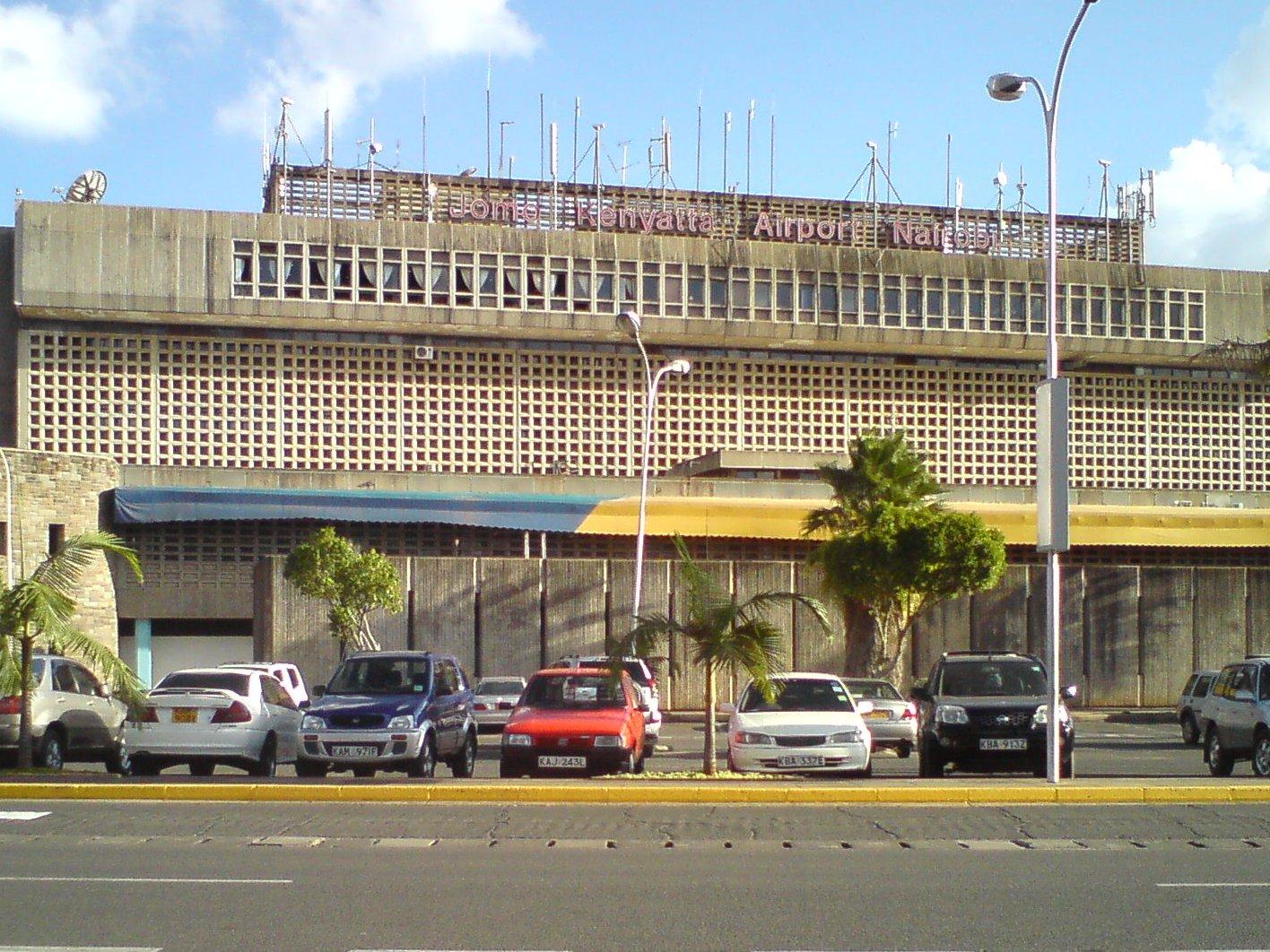
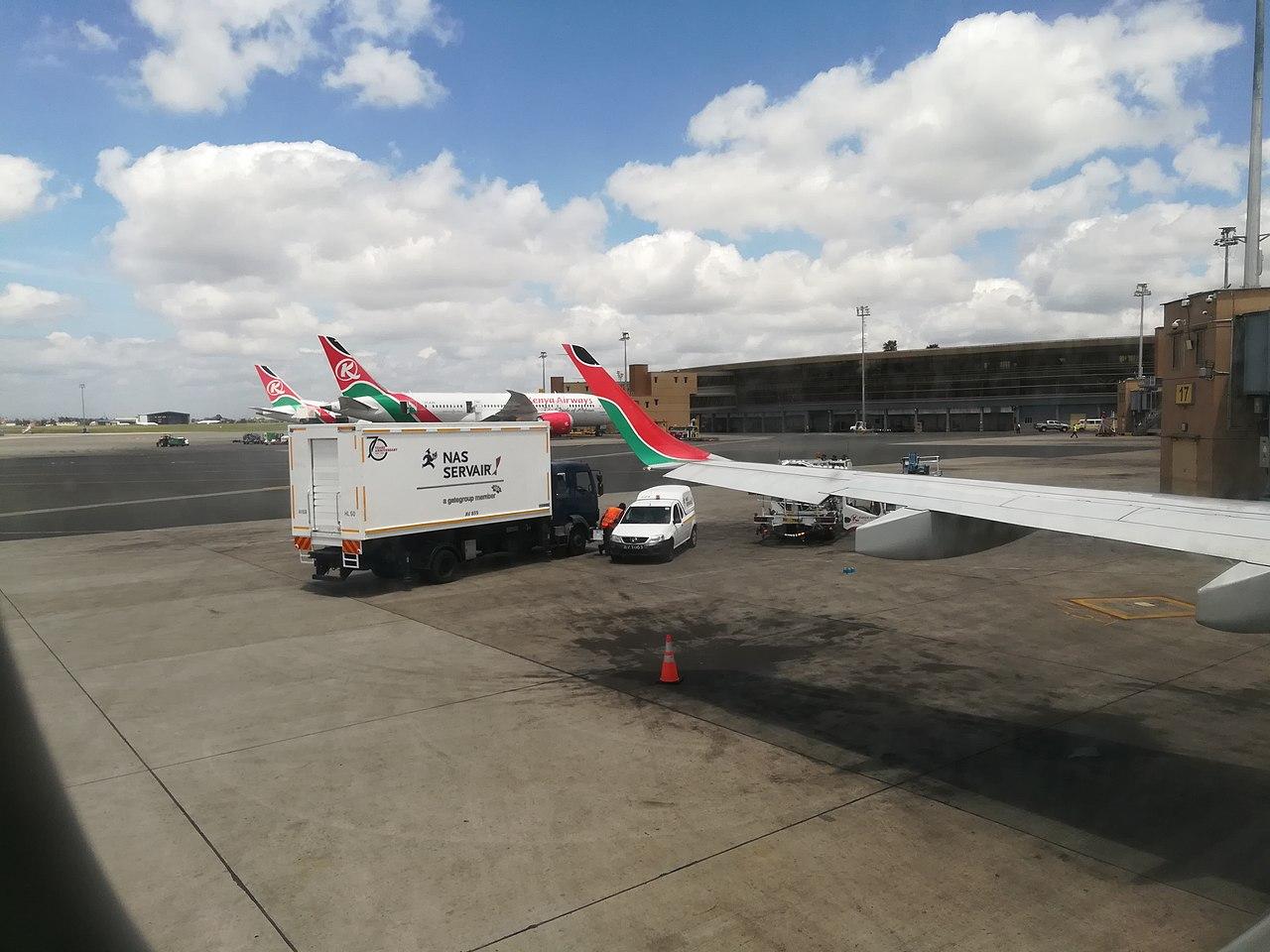
The departure board at Jomo Kenyatta International Airport reads like a map of Kenya's hopes. Doha. Riyadh. Dubai. Jeddah. Most mornings, the queues for those gates are filled with young women in matching travel agency lanyards, two-year contracts folded into their handbags and a number scribbled on the back of a hand in case something goes wrong. They are leaving to clean houses, mind children and care for the elderly in households thousands of kilometres away. For many of their families, the wages they send back will be the difference between school fees paid and a year lost.
That is the promise. The reality, a fresh wave of commentary and rights reporting argues this week, is far more complicated — and for a grim number of those travellers, far more dangerous.
A pipeline measured in the hundreds of thousands
Kenya's government has made labour migration a centrepiece of its economic strategy, and the numbers it cites are staggering. By the Labour Cabinet Secretary's own account before Parliament, roughly 200,000 documented Kenyan migrant workers are in Saudi Arabia alone, of whom at least 151,000 work as domestic staff. The Gulf states together have become the single largest destination for Kenyan labour, and the remittances that flow back rank among the country's most important sources of foreign exchange.
A column published this week in the Daily Nation captured the unease that has grown alongside those figures, arguing that the state is no longer simply exporting labour but "exporting desperation" — sending its citizens abroad faster than it can guarantee their safety. It is a sharp framing, but it lands against a backdrop of evidence that is difficult to wave away.
The toll no one seriously disputes
At least 274 Kenyan workers, the overwhelming majority of them women, have died in Saudi Arabia over the past five years, according to figures compiled by international rights organisations and echoed in Kenyan parliamentary records. The trend has been worsening rather than easing: rights groups have documented a sharp rise in recent fatalities, with one recent year recording roughly twice as many deaths as the one before.
What unsettles investigators is not only the count but the explanations attached to it. Amnesty International, in detailed reporting on migrant domestic workers in the kingdom, has described autopsy documents that are vague or contradictory — women whose bodies show signs of trauma, including burns, yet whose deaths are recorded as natural. The same reporting documents passports and phones confiscated on arrival, working days stretching past sixteen hours, and women effectively locked inside the homes that employ them, cut off from the labour protections that cover other workers.
These are not allegations drawn from a single outlet. They appear, in overlapping detail, across work by Amnesty International, the European Centre for Democracy and Human Rights, the Business and Human Rights Resource Centre, and an investigative report by Kenya's own Office of the Ombudsman into the plight of domestic workers in Saudi Arabia.
The fox and the henhouse
Part of what has hardened public anger is the suggestion that some of the people meant to police the system are profiting from it. Reporting widely cited by rights groups has alleged that the vice-chairman of Parliament's labour committee, Fabian Kyule Muli, owns a staffing company that recruits and sends women to Saudi households — an apparent conflict of interest for a lawmaker charged with protecting those very workers.
It is an allegation, not a settled finding, and the broader investigations have pointed to a web of recruitment agencies linked to politically connected figures on both the Kenyan and Saudi sides of the trade. But it crystallises a question families keep asking: if the agents arranging the contracts, the brokers collecting the fees and the legislators writing the rules are sometimes the same small circle of people, who is left to speak for the woman in the locked apartment in Riyadh?
Reforms on paper, slow to bite
The Kenyan state is not blind to the criticism. In 2022 it signed a revised bilateral labour agreement with Saudi Arabia intended to formalise recruitment and strengthen protections. In 2023 it adopted a National Policy on Labour Migration, promising legal support, better pre-departure training and tighter oversight of the agencies. More recently, reforms on the Saudi side have set a minimum monthly wage for foreign domestic workers — reported at around 34,455 Kenyan shillings from February 2026 — alongside contract changes meant to curb the worst abuses of the sponsorship system.
Advocates welcome the direction while warning that paper protections mean little without enforcement. Pre-departure briefings are uneven. Complaint hotlines are understaffed. And the structural feature at the heart of the danger — a sponsorship arrangement that ties a worker's legal status to a single employer — remains largely intact. A minimum wage matters little to someone whose passport is in a drawer she cannot open.
Why the wider diaspora is watching
For Kenyans settled in London, Atlanta or Toronto, the Gulf story can feel like a different world from their own visa renewals and mortgage payments. It is not. The same economic pressures that push a nurse toward a UK hospital push a school-leaver from Machakos toward a Riyadh high-rise, and the diaspora's collective reputation, lobbying power and remittance economy are bound up in how Kenya treats its workers abroad as a whole.
Diaspora associations have increasingly used their platforms to demand consular reform, faster repatriation of bodies and real accountability for abusive agencies — pressure that often travels further than complaints raised at home. When a coffin arrives at JKIA with paperwork that does not match the family's account, it is frequently relatives overseas who fund the independent autopsy and keep the case from quietly closing.
The women boarding those early flights are not statistics to the people who wave them off. They are daughters and mothers betting two years of their lives on a contract and a promise. The uncomfortable question Kenya now faces — pressed this week by its own commentators and by a growing file of rights reporting — is whether the country sending them is doing enough to make sure they come home the way they left: alive, paid and free.