The Sentence Nobody Translated: A Kenyan Runner's Eighty-Year Wait in a Mexican Prison
Rerimoi Barsitei left Baringo to race in Mexico. A decade later, his family is pleading with Nairobi to fight an 80-year sentence he says he never understood.
In the highlands of Iten, where the morning air is thin and the roads are full of runners, Rerimoi Barsitei was once known as the pacemaker who never complained. He had hawked sweets between training sessions as a young man, set the tempo for better-funded athletes, and waited for the race that would change his family's life. In 2015, he thought he had found it: an opportunity to compete in road races in Mexico, half a world away from Keturwo, the village in Baringo North where he went to primary school. This week, his family is once again pleading with the Kenyan government to intervene in what has become one of the most troubling consular cases involving a Kenyan anywhere in the Americas, after Barsitei was sentenced to 80 years in a Mexican prison.
The Daily Nation reported on Friday that the family of the former athlete is seeking government intervention over the sentence, the latest turn in a case that has dragged on for more than five years. Barsitei himself, in an appeal first reported by Mwakilishi in late June, insists he is innocent, and says the trial that condemned him was conducted in a language he could not follow, without a lawyer he could trust, and without meaningful help from the diplomatic mission responsible for Kenyans in Mexico.
A race, an arrest, and a house left with a friend
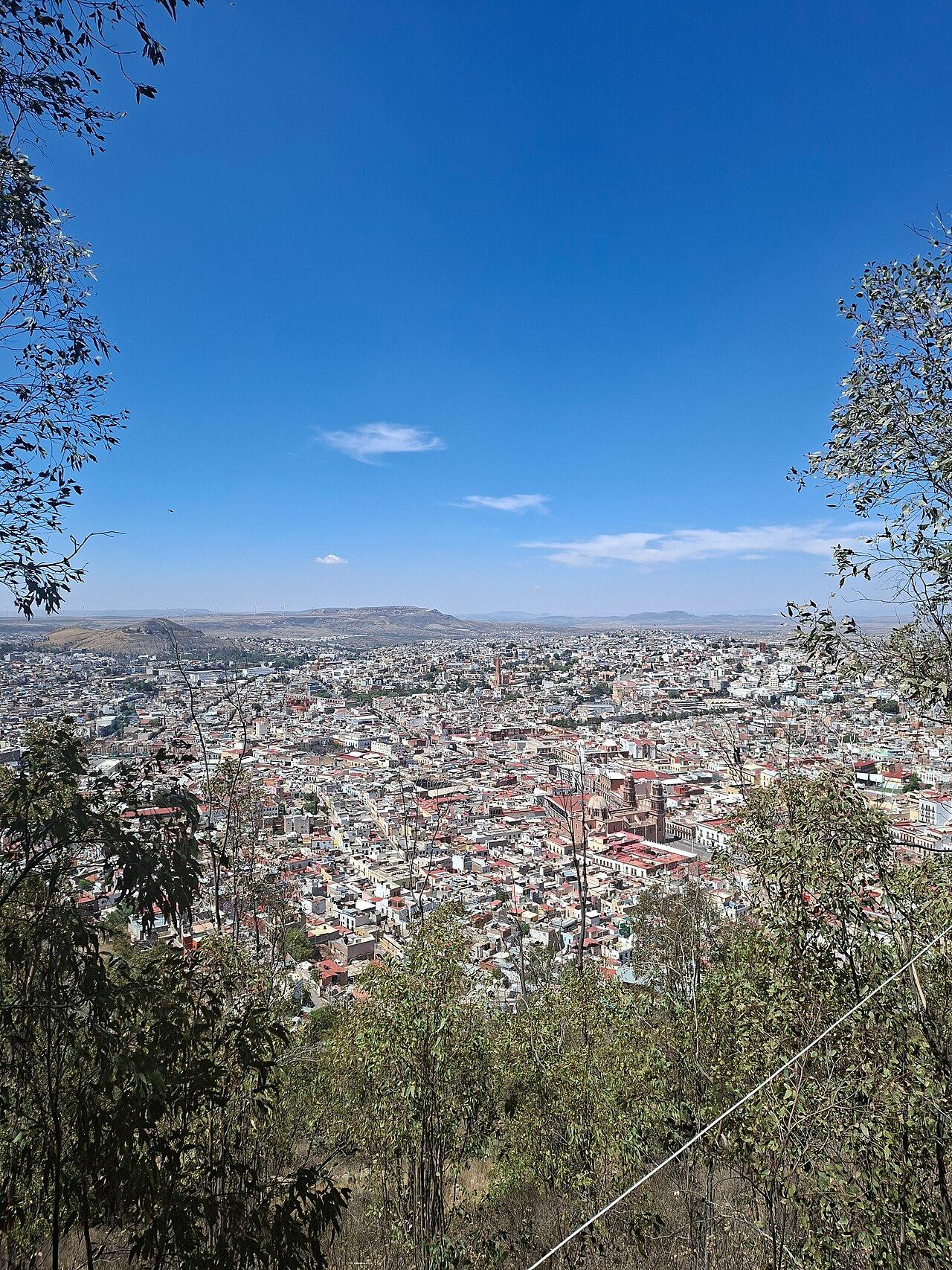
The outline of what happened in March 2021 has been consistent since the story first surfaced. According to accounts his father, Sammy Chesang, gave Kenyan media in 2022, Barsitei told his family that he had left his house in the care of a Mexican friend and travelled for a race. When he returned, he was arrested and taken to a police station, where he learned that his friends had been implicated in a kidnapping while he was away. He was detained alongside them. Documents in the family's possession at the time indicated he was being held at the Cereso Cieneguillas prison in Zacatecas, a state capital in Mexico's central highlands.
For a long stretch, the case appeared frozen. His father said hearings were repeatedly postponed, and that his only lifeline to his son was Facebook Messenger. Then came the development that transformed a worrying detention into a life-consuming sentence: a Mexican court convicted Barsitei on kidnapping charges and handed down 80 years, a term that would keep him imprisoned beyond his hundredth birthday.
'They said I was not involved'
What makes the sentence especially bitter for the family is Barsitei's account of the trial itself. In his appeal, he says the other defendants told the court that he had no involvement in their crimes. Despite those statements, he remained in custody and was sentenced roughly two years later. He maintains that he was denied both legal representation and interpretation services, leaving him unable to understand the proceedings against him or mount a proper defence.
None of these claims has been independently verified by Kenyan authorities, and Mexican court records from Zacatecas are not readily accessible to the Kenyan press. But the claims themselves are specific, repeated, and consistent across several years of interviews, and they raise a question that resonates far beyond one case: what does a Kenyan citizen in trouble in a country without a resident Kenyan embassy actually get from the state?
The embassy that covers Mexico from Washington
Kenya has no embassy in Mexico City. Responsibility for Kenyans in Mexico falls to the Kenyan Embassy in Washington, DC, headed by Ambassador David Kerich, and it is to that mission that Barsitei has now directed his appeal. He says earlier requests for assistance did not result in meaningful support.
The arrangement is common for smaller diplomatic services, but it carries real costs for citizens in distress. Latin America has become a growing corridor for Kenyans, some travelling for sport and business, others moving through the region on longer migration routes. When something goes wrong, the nearest Kenyan consular officer can be thousands of kilometres and several borders away. Diaspora advocates have long argued that the State Department for Diaspora Affairs, which has made consular protection a pillar of its agenda, needs a clearer protocol for exactly this kind of case: a citizen detained in a jurisdiction with no resident mission, no Kiswahili or English interpretation, and no family able to travel.
A family that measures time in school fees
Back home, the human arithmetic of the case is stark. When his parents first spoke publicly in 2022, his mother, Esther Cherotich, described a son who paid his siblings' school fees and helped the family from abroad, and who had never been in trouble. Three-time Vienna City Marathon champion Nancy Kiprop, who trained with him in Iten, remembered a man who was hawking sweets when she met him and who worked his way into her training group as a pacemaker. Her endurance, she said then, owed something to his tempo.
That is the version of Barsitei the family wants Nairobi to remember: not a convict in a foreign prison ledger, but an athlete who left to run and never came home. His parents' appeal in 2022 was addressed to then-President Uhuru Kenyatta. The new appeal lands on a different government's desk, and with a far heavier number attached to it.
What intervention would actually mean
The family's options are narrow but not empty. Kenya can request consular access and a review of whether Barsitei received interpretation, as international practice on consular relations generally provides for foreign detainees. Nairobi could also engage Mexican counterparts on appeal timelines, or explore whether any prisoner-transfer arrangement could eventually bring him closer to home. Each path is slow, and none guarantees a different verdict. But all of them require the one thing the family says has been missing: sustained official attention.
For the tens of thousands of Kenyans scattered across the Americas beyond the familiar hubs of the United States and Canada, the Barsitei case is a quiet warning. The diaspora dream is usually told in remittances and graduations. Its underside is a man in Zacatecas, now years into a sentence he says he never understood, waiting to find out whether his country heard him.