The Rare Strain and the Long Sprint: How an Oxford Ebola Vaccine Race Reaches Into Kenya's UK Diaspora Workforce
As Oxford races a Bundibugyo Ebola vaccine toward trials in months, Kenyan health workers in Britain and families back home watch the DRC outbreak with quiet, gathering unease.

In a small infectious-diseases ward in Birmingham, a Kenyan staff nurse on a Sunday evening shift watched her phone for a different reason than usual. She was not waiting for a message from Kakamega or Kisumu. She was scrolling for any update from Geneva about a strain of Ebola that does not yet have a vaccine, and that the World Health Organization had just upgraded from a "high" to a "very high" risk in the Democratic Republic of Congo.
For thousands of Kenyans like her, nurses, care workers, lab technicians and doctors spread across the United Kingdom's National Health Service, the news that scientists at Oxford University are racing to ready a vaccine for the Bundibugyo strain of Ebola in two to three months is not abstract. It is a faint but unmistakable signal that the continent they came from and the hospitals they now work in may soon be linked by something more than money, memory and homecoming flights.
The strain that has no shield
Bundibugyo is one of six known species of Ebola virus. Only three of those have ever caused large outbreaks in people. Bundibugyo has surfaced only twice before, first in western Uganda in 2007 and then across the border in the DRC in 2012, and has been quiet for more than a decade. It kills roughly one in three of the people it infects, and unlike the more common Zaire species of the virus, it has no proven vaccine.
That gap matters now. The current outbreak, centred on the DRC, has produced 750 suspected cases and 177 deaths, according to the World Health Organization, which declared a public health emergency of international concern on Sunday. Risk in the wider region, including East Africa, is now considered high. The international risk remains low, but the agency has been careful not to call this a pandemic.
For Kenya, the geography is uncomfortably intimate. Bundibugyo's first outbreak happened in a Ugandan district whose name the strain still carries, less than a day's drive from the western Kenyan border. The country has long been one of the more carefully watched neighbours of any Ebola flare-up in central or east Africa, and the Ministry of Health has previously activated screening protocols at Jomo Kenyatta International Airport and at the main land crossings during past scares.
Two months, and a virus that infects chimpanzees
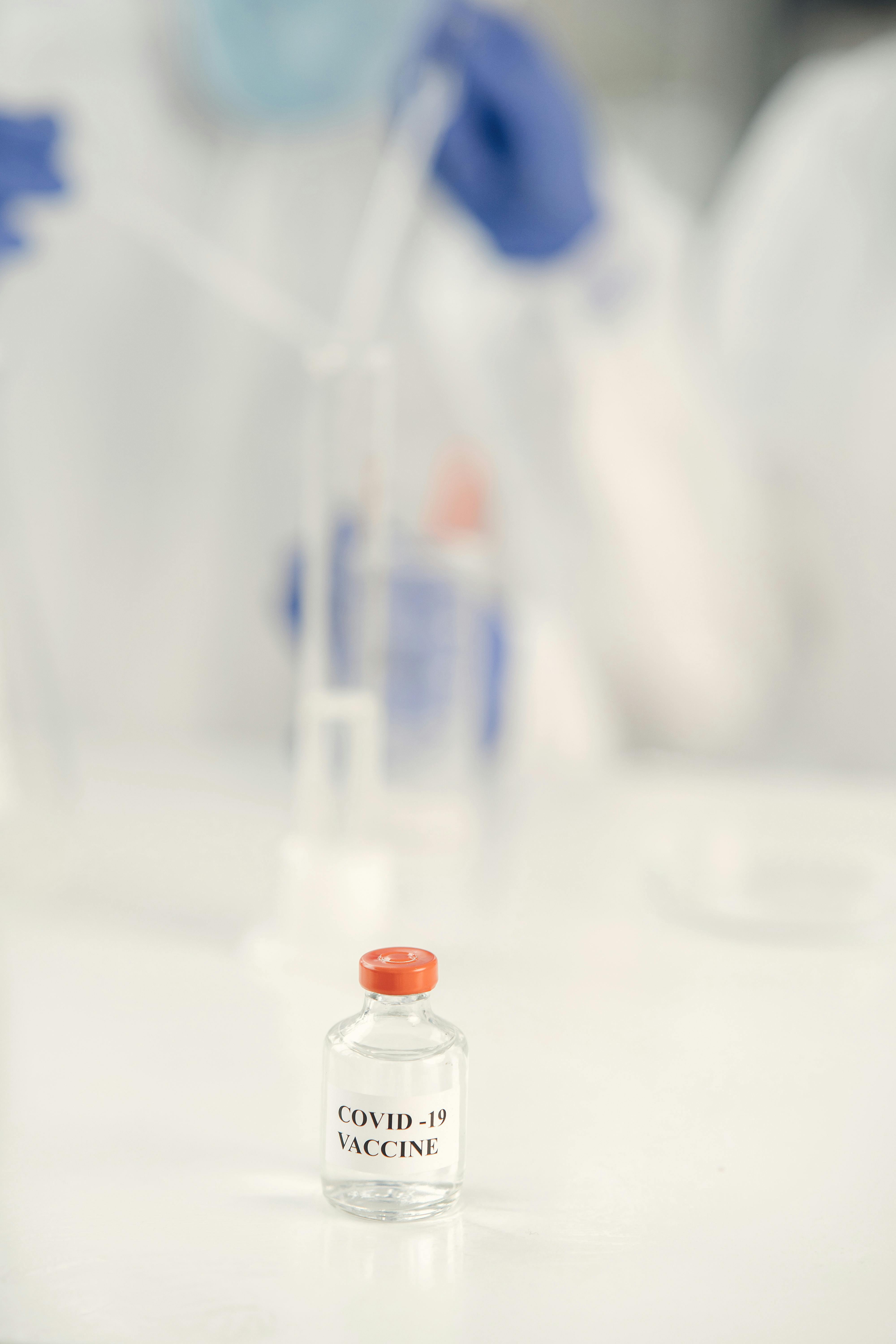
The race in Oxford is also a story about how much vaccine science has changed since the pandemic. The team developing the Bundibugyo candidate is led by Professor Teresa Lambe, Calleva Head of Vaccine Immunology at the Oxford Vaccine Group, and it is using the same ChAdOx1 platform that produced the original Covid-19 vaccine designed in the city.
The platform is built around a common cold virus that ordinarily infects chimpanzees but has been genetically engineered so that it is safe in people. Researchers then load it with genetic material from the pathogen they are trying to defeat. Five years ago, that material came from the Covid virus. This year, it has been swapped for genetic code drawn from Bundibugyo. The vaccine does not cause Ebola or its symptoms. Instead, it trains the immune system to recognise the virus, in case the real thing ever arrives.
The Oxford team had already been working on similar candidates for the Sudan species of Ebola and for the Marburg virus, both of which have been simmering as African public-health risks for several years. That head start is part of why the timeline is being measured in months rather than years. Animal testing is now under way in Oxford, and the Serum Institute of India is on standby to mass-produce the vaccine once Oxford can hand over medical-grade material.
The WHO has been careful not to overpromise. It said earlier this week that there was no animal data yet to support the new candidate's effectiveness, and that it would depend on the trials in the coming weeks whether the Bundibugyo vaccine could be considered a promising research candidate. There are no guarantees, but, as Professor Lambe told the BBC, "we can't take our foot off the gas."
What it looks like from Eastleigh to East London
A vaccine being developed in Oxford is, on its face, a British story. But it lands differently inside Kenya's UK diaspora than it does in the rest of Britain. Kenya has been one of the largest sources of foreign-trained nurses recruited into the NHS in recent years, and many of those nurses now staff acute medical and infectious-disease wards in cities like Leicester, Birmingham, Manchester and parts of east London. They are part of the workforce that would administer any Bundibugyo vaccine in the United Kingdom, and, more pointedly, they are among the workers most likely to be drawn in if a containment effort spills into the diaspora.
For Kenyan families back home, the story is a different shade of anxious. Cross-border trade, family ties and informal travel between Kenya, Uganda and the eastern DRC mean that any westward movement of the virus has long produced quiet, household-level decisions. Whether to delay a planned visit to relatives in Kasese. Whether to postpone a child's transfer to a university in Kampala. Whether to insist that a returning sister stop in Nairobi for a check before continuing home. None of those decisions show up in WHO bulletins. All of them shape how the diaspora and back-home worlds interact during an outbreak.
Ring vaccination, not mass rollouts
If the Bundibugyo vaccine clears its first trials, it would not be deployed the way Covid vaccines were. Ebola vaccines are used in what public-health workers call ring vaccination, a tightly targeted strategy in which only people most likely to encounter the virus are immunised. That typically means close contacts of confirmed cases, and the healthcare workers treating them.
In practice, ring vaccination means that the people first protected in any Bundibugyo response will be doctors, nurses, lab staff and burial teams. Many of them will be African nationals working in their own countries, but a growing number will also be foreign-trained professionals attached to WHO and NGO surge teams. For Kenyan health workers in the UK who keep a foot in both worlds, that is the most direct way the Oxford race will touch their lives. Not through a syringe in their own arm in Britain, but through a colleague or a relative being immunised in the field.
What to watch next
Several markers will indicate whether the Oxford push translates into a usable tool. The first is whether Oxford's animal trials produce data convincing enough for the WHO to formally classify the Bundibugyo candidate as a research vaccine fit for human trials. The second is whether the Serum Institute of India is able to scale production fast enough to matter inside the current outbreak's window. The third, and most consequential for Kenyans, is whether the outbreak spreads beyond its current footprint in the DRC, and whether ring vaccination teams need to operate close to East Africa's borders.
For now, the news in Oxford is a quiet kind of hope. It does not change the daily arithmetic in a Birmingham ward or a Kakamega living room. But for a strain that has never had a shield, the gap between "no vaccine" and "an experimental candidate ready for trials in months" is the first piece of structural good news in a long time.