The Promise From Seoul: How Mudavadi's Diaspora Welfare Fund Meets a Sydney March for Sheila Chebii
As Sydney prepares to march for Sheila Chebii — dead six weeks after arriving in Australia — Musalia Mudavadi has used a Seoul visit to promise a welfare fund that would step in next time.

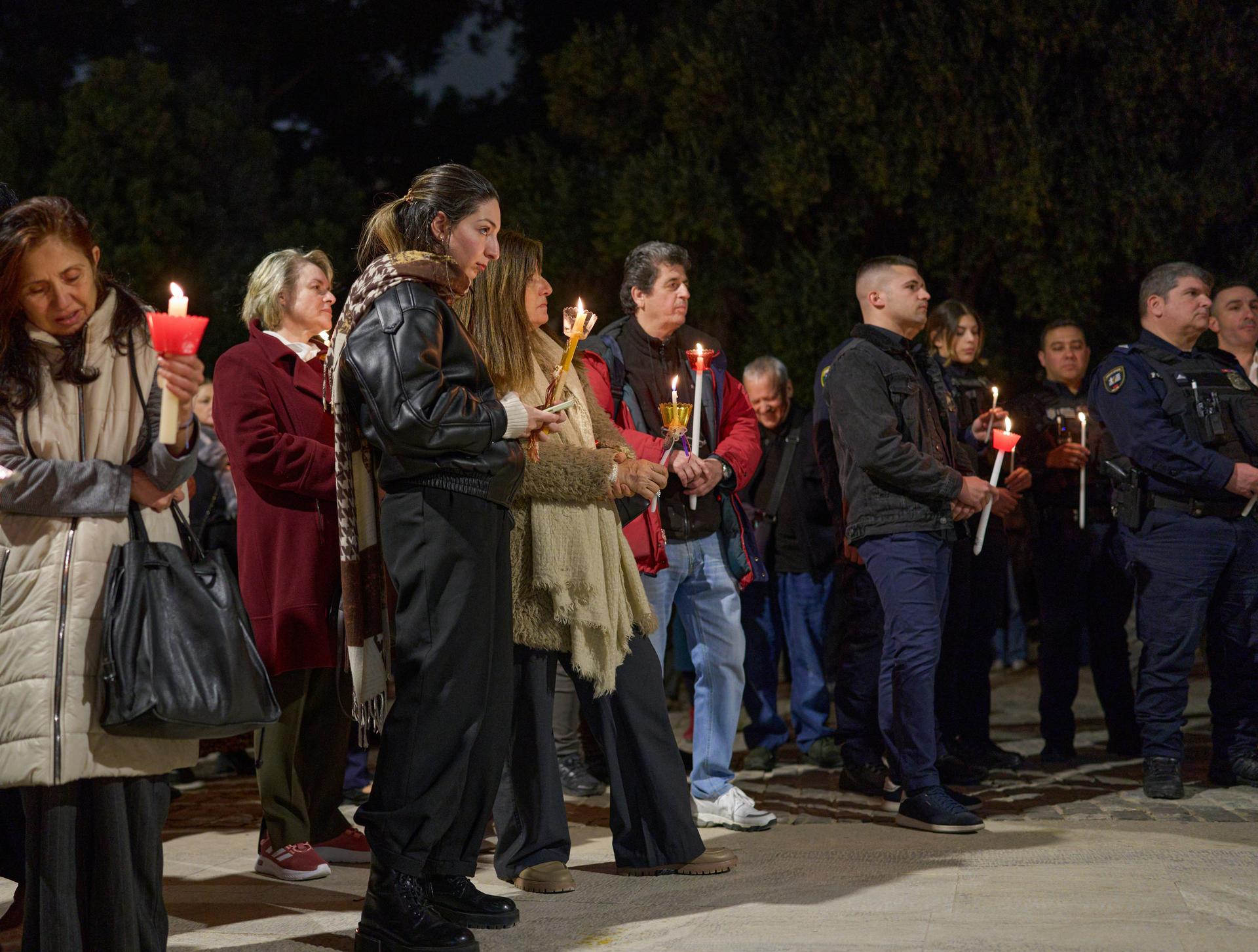
By Tuesday afternoon in Sydney, a stretch of Sussex Street will be filled with white shirts, Kenyan flags, and the soft repetition of one name. Organisers of the "Justice for Sheila Chebii, Fight for Our Sister" march expect hundreds of Kenyans to gather at Market X Sussex at 1:30 pm, walk to Meriton Suites, and stand in vigil there until about three o'clock. Sheila Jepkorir Chebii, originally from Kimumu in Eldoret, died at that building on 17 May, six weeks after landing in Australia on 5 April with the kind of plans young Kenyans recognise: a fresh start, a steadier income, a way to send something home.
She is now the reason a community will march. She has also, less directly, become the kind of case a Kenyan cabinet secretary used a Seoul podium to argue must not happen again without recourse. On Sunday and into Monday, while Sydney organisers were finalising their route, Prime Cabinet Secretary Musalia Mudavadi was inside the Kenyan Embassy in South Korea telling Kenyans there that Nairobi was finally drafting a Diaspora Welfare Fund — a pool of public money obliged to step in when a citizen abroad falls ill, is detained, dies, or needs to come home in a coffin. The two events are not formally connected. But anyone reading the diaspora press this week will read them in the same breath.
The Promise From Seoul
Mudavadi made the announcement during a town-hall-style meeting with the Kenyan community in Seoul, where he is in the country for the Korea–Africa Ministerial Meeting. According to Mwakilishi's account, his Ministry of Foreign and Diaspora Affairs is working with Parliament on legislation that would, for the first time, formalise the use of taxpayer resources for diaspora welfare programmes. The fund, he said, would provide "structured assistance" including emergency support and repatriation services. The Standard, the Kenya News Agency and KBC carried the same announcement, framing it as the most concrete step yet by a Kenyan government to acknowledge that the diaspora is no longer a curiosity but a constituency.
The Seoul setting was not incidental. The Korean Kenyan community is small by global standards, but the conversation Mudavadi held — covering welfare, labour mobility, skills transfer, investment and diaspora participation in the 2027 General Election — is the template he is expected to repeat across other capitals.
What the Fund Would Actually Cover
The thinness of consular help is one of the loudest complaints among Kenyans abroad. Families who have lost a relative overseas describe months of fundraising on WhatsApp groups simply to get a body home. The High Cost of Bringing Kenyans Home After Death Overseas, a recurring theme in diaspora coverage this year, has been measured in figures north of two million shillings per body. A welfare fund would, in theory, mean that families like Sheila Chebii's would not have to choose between selling land in Kimumu and leaving their daughter in a Sydney mortuary.
Mudavadi described the fund's anticipated scope in functional terms. Emergency assistance, he said, would cover situations such as sudden hospitalisation, detention without consular access, and the immediate aftermath of a violent crime. Repatriation services would cover both the deceased and the destitute — Kenyans stranded after a contract collapses, a passport is taken or an employer disappears. The Ministry has also said it will work in tandem with the National Treasury to determine the funding model, because, in Mudavadi's words, taxpayer resources cannot be deployed without "accountability and fairness".
The Other Half: A Diaspora Bond
The welfare fund is being designed to sit alongside a Diaspora Bond framework. The bond, modelled on instruments used by India, Ethiopia and Nigeria, is meant to channel small-denomination savings from Kenyans abroad into specific national development projects — affordable housing, electrification, roads. The two instruments are politically linked: the bond gives the diaspora a reason to invest in Kenya; the welfare fund gives Kenya a reason to be worth investing in. Without the second, the first is an extraction, and a Kenyan diaspora whose remittances now run into the billions of US dollars each year, by Central Bank of Kenya measure, has begun to say so plainly.
Mudavadi tied the two together explicitly in Seoul: the bond would mobilise diaspora savings, the welfare fund would be the state's reciprocal commitment to the people whose money is being mobilised.
The Hard Question Nobody Wants to Answer First
The most uncomfortable part of Mudavadi's announcement was a question he raised before anyone in the audience could. Should public money rescue a Kenyan abroad who is in trouble because of a crime they committed — a drug trafficking conviction in a Gulf state, a human trafficking charge in Europe, a fraud case in Minnesota? The Prime Cabinet Secretary did not answer himself. He said it would have to be decided by Parliament during the drafting of the law, and warned the audience that the answer would shape the fund's politics for years.
There is no clean position. Diaspora advocacy groups argue that consular protection is owed regardless of allegation, especially when the host country's legal system is not transparent or proportionate, and especially in Gulf jurisdictions where Kenyan women have been jailed for the supposed crime of fleeing abusive employers. Domestic critics will counter, equally loudly, that tax revenue collected from teachers in Bungoma should not bail out cocaine couriers in Bangkok. The fund cannot be designed without picking a side on this, and picking a side is exactly what the politicians have so far refused to do.
Seven Hundred Rogue Agencies, and Counting
The other measurable thing Mudavadi announced in Seoul was a quieter number: more than 700 illegal labour recruitment agencies have been shut down by the National Employment Authority and partner agencies in the current sweep. New legislation, he said, will introduce prison terms for unlicensed recruiters, and the government will publicly gazette the list of licensed firms so that a school-leaver in Eldoret or Mombasa can check, before signing anything, whether the broker in front of her is real.
This matters because the welfare fund cannot do its job in a market still flooded with bogus contracts. Many diaspora tragedies that have made headlines this year — the death in a Riyadh apartment, the broken contract in Saudi Arabia, the detention in Lebanon — begin with paperwork that should never have been signed. Closing 700 agencies is a beginning, not an end. Diaspora advocacy groups have for years called for a single national licensing registry; Mudavadi's gazette proposal looks like the closest the government has come to that idea.
Why Tuesday in Sydney Matters
When the march starts on Sussex Street, Mudavadi will be in Seoul preparing for the Korea–Africa Ministerial Meeting. Sheila Chebii's family will be in Eldoret. The New South Wales investigation into her death will still be open. None of these three things will move because of the other two on Tuesday. But the proximity of the dates — a Sydney march on 2 June, a Seoul announcement on 1 June, a Diaspora Bond consultation still working through Treasury — is the kind of accidental alignment that gives diaspora politics its shape.
The Kenyan diaspora is now large enough, articulate enough and remittance-heavy enough that no government can ignore it. It is also vulnerable enough that announcements of funds, bonds and gazettes have to translate, eventually, into a phone number a sister in Sydney can call at three in the morning and a coffin that arrives in Eldoret without a GoFundMe. The Mudavadi announcement is a promise; the march on Sussex Street is the test the promise is being measured against. The legislative session that follows in Nairobi will tell us which one Kenya took more seriously.