The Money That Feeds, Not Builds: What Kenya's First Remittance Survey Reveals About a Diaspora's Sacrifice
A landmark KNBS survey shows Kenyans abroad sent home Ksh931.8 billion in a year — and most of it went to food, school fees and hospital bills, not the land and houses of diaspora legend.
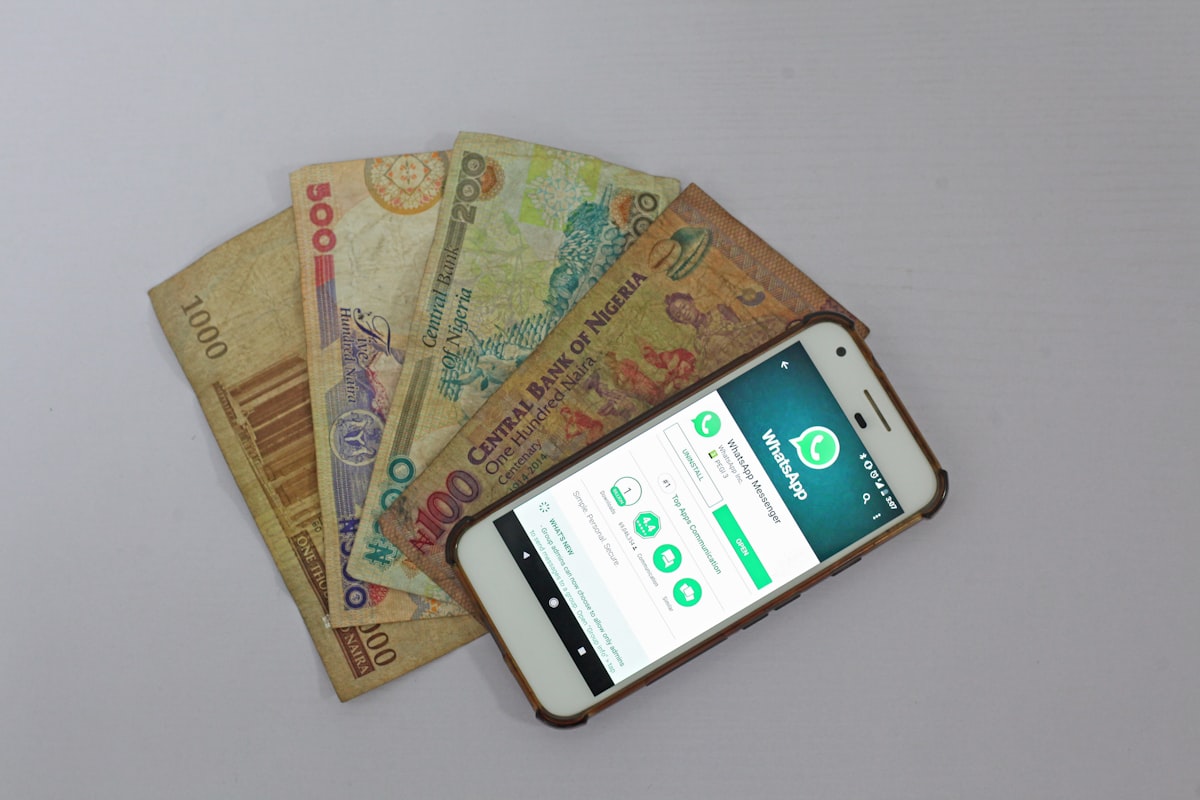
The shift ends a little after eleven at night, and before the bus arrives, the phone comes out. A few taps on a money-transfer app, a fingerprint, a confirmation tone — and somewhere outside Nairobi, or in Eldoret, or in a small town in Kakamega, a relative's phone buzzes with a deposit that will cover the coming week. It is one of the quiet, recurring rituals of the Kenyan diaspora: the late-night transfer sent from a care home in Manchester, a warehouse floor in Dallas, a hotel kitchen in Doha. For years, the story Kenya told itself about that money was a story of ambition — of plots bought, houses raised, businesses launched. A new government survey suggests the truth is closer to endurance than to construction.
A first attempt to measure the invisible
The Kenya National Bureau of Statistics has, for the first time, tried to follow that money all the way to the kitchen table. Its 2025 Remittances Household Survey, conducted with the Central Bank of Kenya and Financial Sector Deepening Kenya, set out to do something the country's monthly inflow figures never could: ask the families who receive the money what they actually do with it.
The headline number is large. Between June 2024 and May 2025, Kenyan households received an estimated Ksh931.8 billion from relatives abroad. That figure alone reframes the diaspora not as a sentimental footnote to the economy but as one of its largest single sources of foreign exchange — rivalling and often exceeding traditional earners such as tea, coffee and tourism. The United States alone accounted for 43.5 percent of the money received. What the survey adds, for the first time, is texture: not just how much arrives, but where it goes once it lands.
More than feeding a family
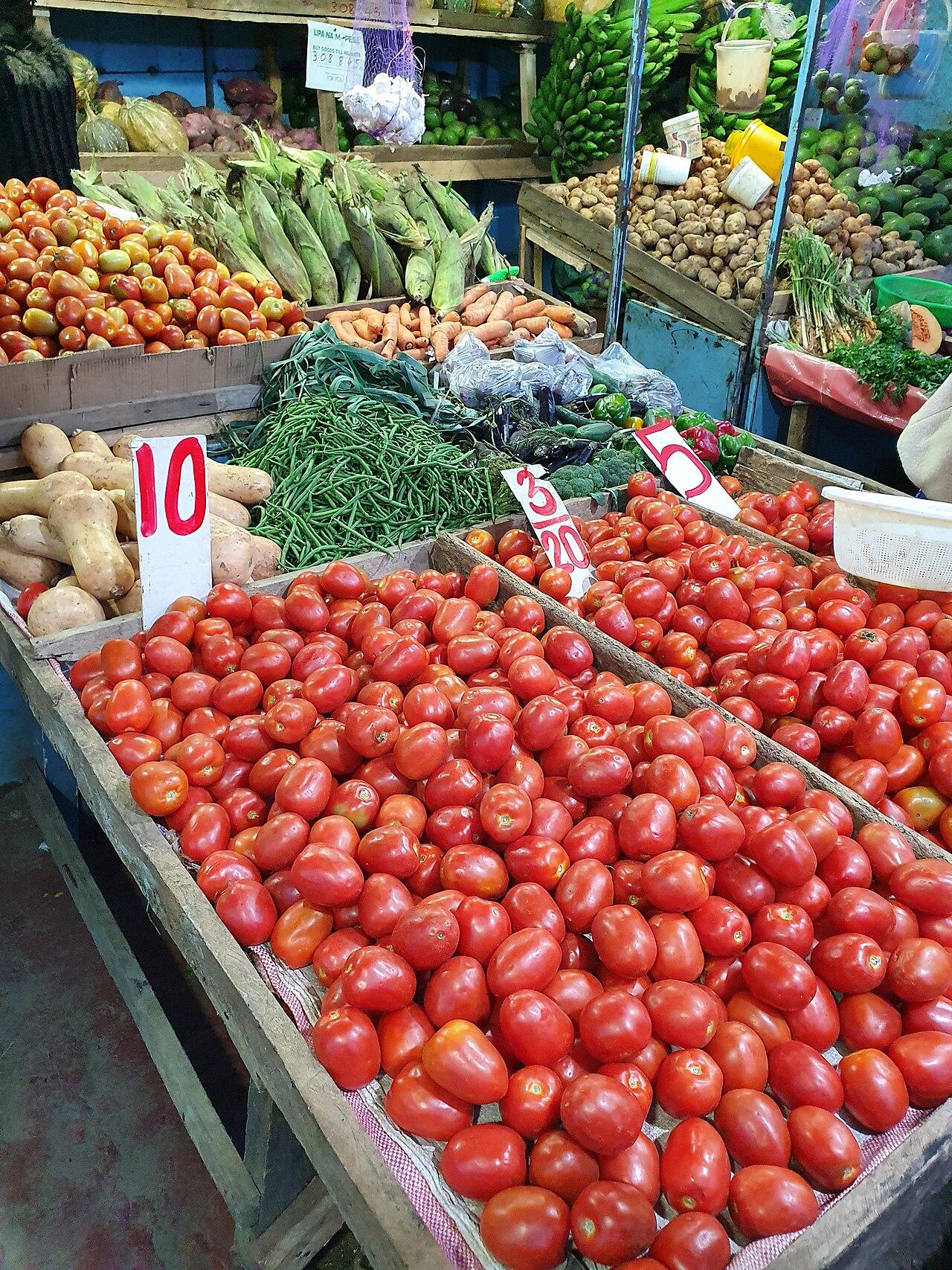
The answer is striking in its ordinariness. More than seven in ten recipient households — 73.1 percent — said they used remittances to buy food and other everyday household goods. Education came next, cited by 31.4 percent of recipients, who put the money toward school fees, uniforms and the costs of keeping a child in class. Medical expenses followed at 23.9 percent, the cushion that absorbs a hospital admission or a chronic prescription.
Read together, those figures describe consumption, not capital. The money sent home is, overwhelmingly, doing the work of a salary — keeping the lights on, the pantry stocked and the children enrolled. More than one in five recipient households told KNBS that remittances were their main source of livelihood. In a period of stubborn inflation and rising living costs across Kenya, the diaspora has quietly become a household-level shock absorber, smoothing over the gap between what families earn at home and what survival now demands. For the person sending it, the late-night transfer is less an investment than a lifeline thrown across an ocean.
The houses that were never built
That reality sits uneasily beside the folklore. The popular image of remittances — the diaspora dream of returning to a finished house on a bought plot — turns out to describe only a sliver of the flow. The survey found that just 2.2 percent of recipient households directed remittance money into real estate, and 2.6 percent into construction projects. The land-and-mortar story that animates so many diaspora WhatsApp groups is, statistically, the exception rather than the rule.
KNBS was blunt about what this means. Participation in formal savings and investment products, the agency noted, remains low despite the sheer volume of money entering the country, pointing to significant untapped potential for using remittances to build wealth and deepen financial inclusion. In plain terms: enormous sums arrive, are spent within the month, and leave little behind in the form of assets. The diaspora is funding consumption that keeps families afloat today, but comparatively little that compounds into security tomorrow.
The hidden river of cash
The survey also lifted a corner on a long-suspected truth: a great deal of diaspora money never touches a bank. The Central Bank of Kenya, which tracks remittances through formal channels such as banks, licensed money transfer operators and mobile money, recorded Ksh651.2 billion over the period. The household survey, by asking families directly, captured an additional Ksh280.6 billion arriving through informal means — cash carried by a travelling friend, handed over by an agent, or moved through channels that leave no official trace.
That gap matters. It suggests that roughly three in every ten shillings sent home travel outside the formal system entirely, beyond the reach of the institutions meant to count and protect them. For policymakers who like to cite remittances as a pillar of macroeconomic stability, the message is sobering: the true scale of the diaspora's contribution has been systematically undercounted, and a large share of it remains informal, unbanked and exposed.
Who is really carrying the load
The survey put a face, and a gender, to the money as well. Women made up 60.3 percent of remittance recipients, against 37.9 percent for men — a reminder that in many Kenyan families it is mothers, sisters and wives who manage the household budget that diaspora cash sustains. The finding echoes a wider pattern across the continent, where women are often both the senders abroad and the stewards at home, translating a relative's overtime into food on a table they may be hundreds of kilometres from.
It is a detail that complicates the celebratory language often used around remittances. Behind each transfer is a chain of labour and obligation — frequently a worker putting in long hours in a foreign city, and a relative at home stretching the proceeds across competing needs. The Ksh931.8 billion is not an abstraction; it is the aggregate of countless private negotiations about who eats, who studies and who gets treated.
What it asks of Kenya — and the diaspora
President William Ruto has made the diaspora a fixture of his economic pitch, repeatedly invoking remittances at international investment forums and in his engagements with Kenyans abroad. The survey offers a more grounded portrait than the rhetoric usually allows. The diaspora is indeed indispensable — but mostly as a source of consumption support, not as the army of investors the official narrative sometimes imagines.
That gap between story and statistic is itself an agenda. If the state wants remittances to do more than keep families fed, the survey points to obvious levers: savings and investment products designed for diaspora households, cheaper and safer formal transfer channels to pull that informal Ksh280.6 billion into the system, and financial education aimed at recipients, not just senders. For the diaspora itself, the findings invite a quieter reckoning about what years of sacrifice ultimately buy — and whether some portion of that monthly transfer might one day build the future it was always imagined to fund.
For now, the ritual continues. The shift ends, the phone comes out, the money goes home. The survey has simply, and for the first time, told Kenyans where it lands.