The Lifeline That Never Becomes a Ladder: What Kenya's First Remittance Survey Reveals About Diaspora Billions
A landmark KNBS survey shows Kenyans abroad sent home KSh931.8 billion in a single year — yet almost none of it is being saved or invested.
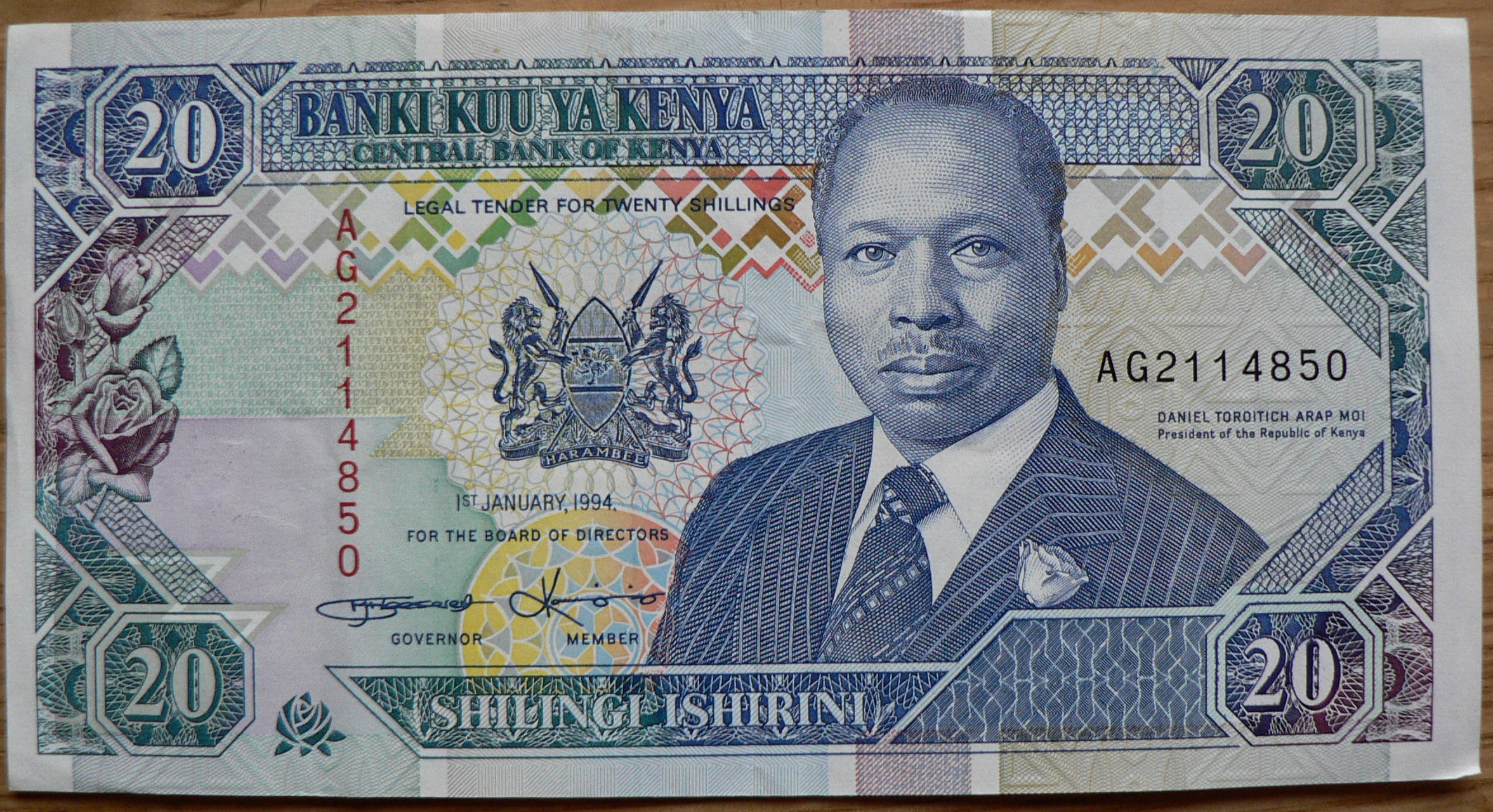
On the last Saturday of most months, the ritual is the same in thousands of homes from Dallas to Doha. A Kenyan nurse finishing a night shift, a care worker in Manchester, a warehouse hand in Riyadh opens a phone app and sends a few hundred dollars across the world. By the time the sun rises over Nairobi, the money has already moved — into a mother's M-Pesa wallet, a school bursar's account, a pharmacy till. It is the quiet machinery of the Kenyan diaspora, repeated millions of times a year. For the first time, the government has tried to measure exactly where all of it goes.
The answer, published this week, is both reassuring and unsettling. The cash is keeping families afloat. It is almost never building anything that lasts.
A Survey That Counts the Invisible Economy
The findings come from the 2025 Remittances Household Survey, released on 16 June by the Kenya National Bureau of Statistics to mark the International Day of Family Remittances. It is the first household-level survey of its kind in Kenya, carried out with the Central Bank of Kenya, Financial Sector Deepening Kenya and the International Fund for Agricultural Development. After a pilot last June, enumerators spent thirty days in August 2025 visiting 4,440 households across the country, asking not just how much money arrived from abroad but what happened to it once it did.
The headline number is striking. Between June 2024 and May 2025, Kenyan households received an estimated KSh931.8 billion in remittances. Roughly 91 percent of that arrived as cash transfers, with the remaining 9 percent sent in kind — goods, gadgets and shipped parcels rather than money. It is a sum that now rivals the country's largest traditional foreign-exchange earners and, by the Central Bank's reckoning, accounts for a meaningful slice of national output.
For a country that has spent the better part of a decade courting its diaspora as an engine of development, the survey was supposed to confirm a comforting story: that money earned in hospitals, building sites and care homes abroad was quietly being turned into homes, land and businesses back home. The data tells a different one.
What the Money Actually Buys
Most remittance money in Kenya is spent the moment it lands. According to the bureau, 73.1 percent of recipient households used the funds to buy food and household goods, making basic consumption by far the most common destination for diaspora cash. Another 31.4 percent went towards education — school fees, uniforms, university costs — and 23.9 percent covered medical bills.
Those three categories paint a portrait of households using overseas earnings to meet the relentless arithmetic of daily survival. In KNBS's own words, the money was "predominantly used to support household consumption, serving as a critical buffer against economic vulnerability and helping households meet essential day-to-day requirements." For families squeezed by a high cost of living, a depreciating cushion of savings and unpredictable local incomes, a monthly transfer from a relative abroad is often the difference between coping and crisis.
That is no small thing. Remittances have become a private welfare system that no government budget line could easily replace. But a buffer is not the same as a foundation, and the survey makes the distinction painfully clear.
The 2.2 Percent Problem
When it came to building wealth, the numbers collapse. Just 2.2 percent of households put any remittance money into real estate, and only 2.6 percent directed it towards construction projects. Allocations to formal savings, investment products and financial instruments were, in the bureau's careful phrasing, "limited" — so limited that KNBS flagged "untapped potential for leveraging remittances for wealth creation and financial deepening."
The finding quietly demolishes one of the most cherished assumptions about diaspora money: that it is steadily buying plots in Kiambu, raising houses in Kisii and seeding shops in Nakuru. For a small minority of families, it is. For the overwhelming majority, the money is consumed long before it can be converted into an asset that appreciates, generates income or can be passed on.
The implication is sobering for both senders and the state. A Kenyan working abroad may spend years away from family, absorbing the loneliness and risk of migration, in the belief that the sacrifice is constructing something permanent at home. The data suggests that for most, the sacrifice is instead financing consumption that resets to zero each month.
A Lifeline, Not a Ladder
Why does so little of nearly a trillion shillings find its way into investment? The survey points less to recklessness than to arithmetic. When food, fees and hospital bills consume the bulk of a transfer, there is rarely a surplus left to lock away. Investment requires money you do not immediately need, and for households leaning on remittances precisely because they are stretched, that margin barely exists.
There is also a design gap. KNBS noted that the uptake of formal financial and investment products among remittance-receiving households remains low despite the substantial inflows, raising the question of whether existing products are built for the people actually receiving the money. Diaspora bonds, dollar accounts and property schemes tend to be marketed to high-earning senders abroad, not to the relatives managing modest monthly sums at the receiving end. The person deciding whether KSh20,000 buys groceries or a savings plan is usually in Nairobi, not New York — and the financial system has been slow to speak to them.
Why It Matters for the Diaspora
For Kenyans abroad, the survey is more than a statistical curiosity; it is a mirror. It invites a hard conversation about whether the remittance relationship, as currently structured, is achieving what senders hope. Channeling even a fraction of the KSh931.8 billion into structured savings, SACCOs, insurance or income-generating assets could change the trajectory of recipient families and deepen Kenya's capital markets at the same time.
It also sharpens a policy debate already under way. The government has built diaspora portals, courted remittance corridors and celebrated the United States' emergence as the single largest source of inflows. The next frontier, the data suggests, is not sending more money home but helping the money that already arrives do more once it lands — through cheaper transfer costs, financial-literacy outreach aimed at recipients, and products designed for ordinary households rather than wealthy expatriates.
None of this diminishes what the diaspora already provides. The KSh931.8 billion is, by any measure, an extraordinary act of collective care, sustaining schools, clinics and dinner tables across the country. But the survey reframes the ambition. A lifeline keeps a family from sinking. A ladder lets them climb. Kenya's diaspora has built the first in abundance. The data is now asking, gently but unmistakably, what it would take to build the second.