The Longest Mile to Juba: A Beating on the Nimule Road Reignites Kenyan Drivers' Fight to Survive South Sudan's Trade Corridor
A senior Kenyan driver lies critically injured in Juba after an assault blamed on soldiers — days after Nimule protests over a colleague's killing on the same corridor.
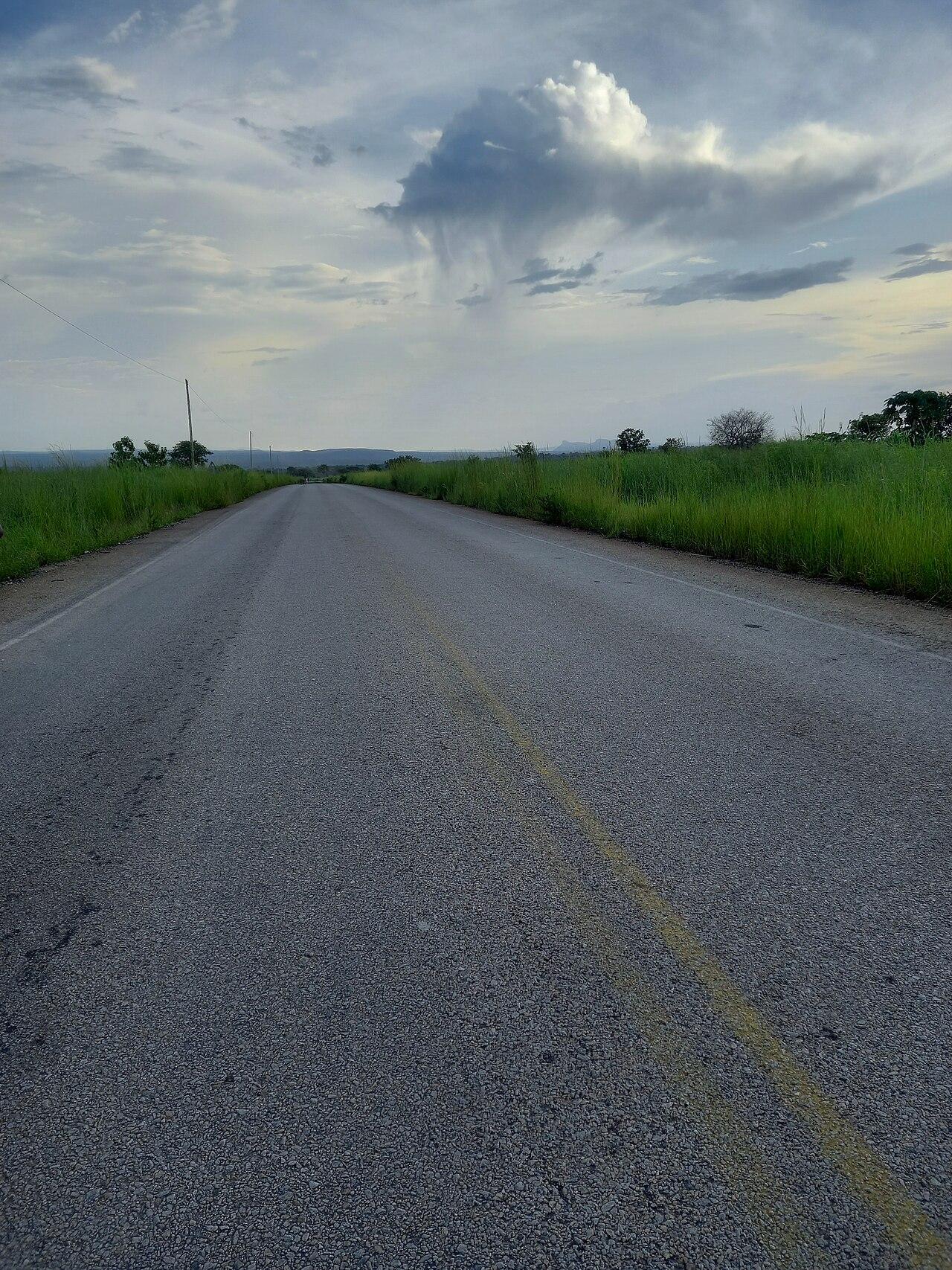
The stretch of tarmac between Nimule and Juba is, on paper, one of the better roads in South Sudan — 192 kilometres of highway built to carry the fuel, flour and medicine that keep a landlocked country alive. On Wednesday evening, July 1, it carried something else: a senior Kenyan driver known to his colleagues as Mzee Malalo, badly beaten and racing toward the capital in critical condition.
According to a statement from the Long Distance Drivers and Conductors Association of Kenya (LODDCA), circulated on Wednesday night and reported by Kenyans.co.ke on Thursday morning, the veteran driver was assaulted along the Juba–Nesitu section of the highway, allegedly by South Sudanese soldiers. The association said he was rushed to Juba for treatment. The details remain the association's account; South Sudanese authorities had not publicly responded by Thursday morning.
For the thousands of Kenyan men who make their living hauling cargo from the port of Mombasa through Uganda and across the Nimule border post, the report landed less as news than as confirmation. It happened again. It keeps happening.
A Protest Measured in Parked Trucks
The assault did not arrive out of nowhere. Just four days earlier, Kenyan drivers staged protests at Nimule, the main crossing between Uganda and South Sudan, after reports that another driver had been killed on the corridor overnight.
In videos circulated online and cited in Kenyan press reports, drivers described blocking sections of the road and effectively shutting the border while they demanded protection. One protesting driver, speaking in a widely shared clip, said colleagues were being killed with guns and charged illegal fees to pass.
A parked truck is the only leverage a driver has. When enough of them stop at once, Juba's fuel stations and market stalls begin counting the days. The drivers know this, and so do the officials on both sides of the border — which is why every new attack is followed by blockades, and every blockade by promises.
The Pattern Behind One Night
The promises have a long paper trail. In February, Kenya's Star newspaper documented drivers' accounts of soldiers extorting money along South Sudanese routes and beating those who refused to pay — even after a signed agreement between transport associations and authorities that was meant to end the harassment.
In April, People Daily reported that a Kenyan driver was attacked at night while queuing at the congested Nimule crossing itself. As colleagues rushed to help him, assailants broke into their unattended trucks and stripped them of valuables. LODDCA responded then with a public appeal to the South Sudanese government: beef up security at Nimule.
Uganda's Monitor has reported Kenyans killed and missing in ambushes on the corridor's southern stretches. Each incident, taken alone, reads like misfortune. Read together, they describe a working environment in which violence is not a risk but a recurring cost — absorbed by the drivers because the alternative is unemployment, and absorbed by their employers because the alternative is losing the South Sudan market.
The Corridor That Feeds a Landlocked Nation
South Sudan produces oil but imports nearly everything else it consumes. Almost all of it comes up the Northern Corridor: unloaded at Mombasa, cleared through Kenyan and Ugandan customs, and driven the final, most dangerous leg into Juba. Fuel tankers, grain lorries, containers of medicine and construction steel — the country's shelves are stocked by men behind steering wheels, a disproportionate number of them Kenyan.
That dependence cuts both ways. Kenya's transporters, freight forwarders and drivers earn a living from South Sudan's needs, and Nairobi has long treated Juba as a vital export market and a diplomatic partner. But the relationship is lopsided at ground level. The trader in Nairobi signs contracts; the driver on the Nesitu road negotiates with armed men in the dark. When the corridor's security fails, it fails hardest on the lowest rung.
Industry voices have warned repeatedly that insecurity on the route does not stay contained in individual tragedies. It shows up as higher freight rates, war-zone premiums on insurance, and drivers who simply refuse the Juba run — costs that eventually reach consumers in South Sudan and squeeze margins in Kenya.
Working Abroad Without the Name for It
Kenya's conversation about its diaspora tends to picture nurses in London, students in Texas, domestic workers in Riyadh. It rarely pictures a sixty-something driver sleeping in his cab at Nimule. Yet long-distance drivers are labour migrants in every meaningful sense: they earn abroad, remit home, and depend on foreign states to respect their basic safety.
The difference is that they cross borders weekly rather than once, and no embassy queue or bilateral labour agreement stands between them and the countries they work in. When Kenya negotiates protections for its workers overseas — as it has done loudly in recent years for the Gulf — the drivers of the Northern Corridor are seldom named in the communiqués. Their association's statements, posted on social media after each attack, function as an improvised consular service: naming the injured, alerting families, pressuring two governments at once.
Mzee Malalo's colleagues did exactly that this week. The honorific in his name — Mzee, elder — is its own detail. This is a man who has survived the route long enough to grow old on it.
What Drivers Are Asking For
The demands, repeated after every incident, are not extravagant. Joint security patrols on the Juba–Nimule highway. Functioning, lit, policed truck queues at the border. Investigation and prosecution when soldiers are accused of attacking civilians. And a bilateral mechanism between Nairobi and Juba that treats drivers' safety as trade infrastructure, not an afterthought.
Whether this week changes anything is an open question with an unpromising history. The February agreement did not stop the April attack; the April appeals did not prevent Wednesday's beating. But the drivers' capacity to close the border — demonstrated again just days ago — gives them a bargaining chip that quiet diplomacy has lacked.
For now, a family in Kenya waits for news from a hospital in Juba, and hundreds of drivers will make the same calculation tonight that they made last night: whether the pay for the Juba run still outweighs what the road might take. The corridor will keep moving, because it must. The question Kenya has not answered is what it owes the men who move it.