The Long Way Home From Kilwa: How Seven Kenyan Seafarers Walked Free From a Tanzanian Cell
More than two months after their ship was seized off the Tanzanian coast, seven Kenyan crew members are home — freed not by an acquittal but by a quiet government payment.
The arrivals hall at Moi International Airport in Mombasa has seen countless reunions, but few as heavy with relief as the one that unfolded last week. Seven Kenyan men, thinner than when they left and carrying little more than the clothes they wore, walked through the doors and into the arms of relatives who had spent weeks fearing they might not see them again for decades. For the families of the crew of the FV Sea Mfalme, the embrace marked the end of an ordeal that had begun in open water and ended in a foreign courtroom.
The men are seafarers — part of the largely invisible workforce that keeps cargo and fish moving along the East African coast. Their return home, after more than two months in Tanzanian detention and the threat of twenty-year prison sentences, was secured not by a dramatic acquittal but by a quiet payment and weeks of diplomacy between two neighbouring governments. It is a story of release, but also a reminder of how precarious life can be for the Kenyans whose work takes them beyond the country's borders.
A Vessel That Changed Course
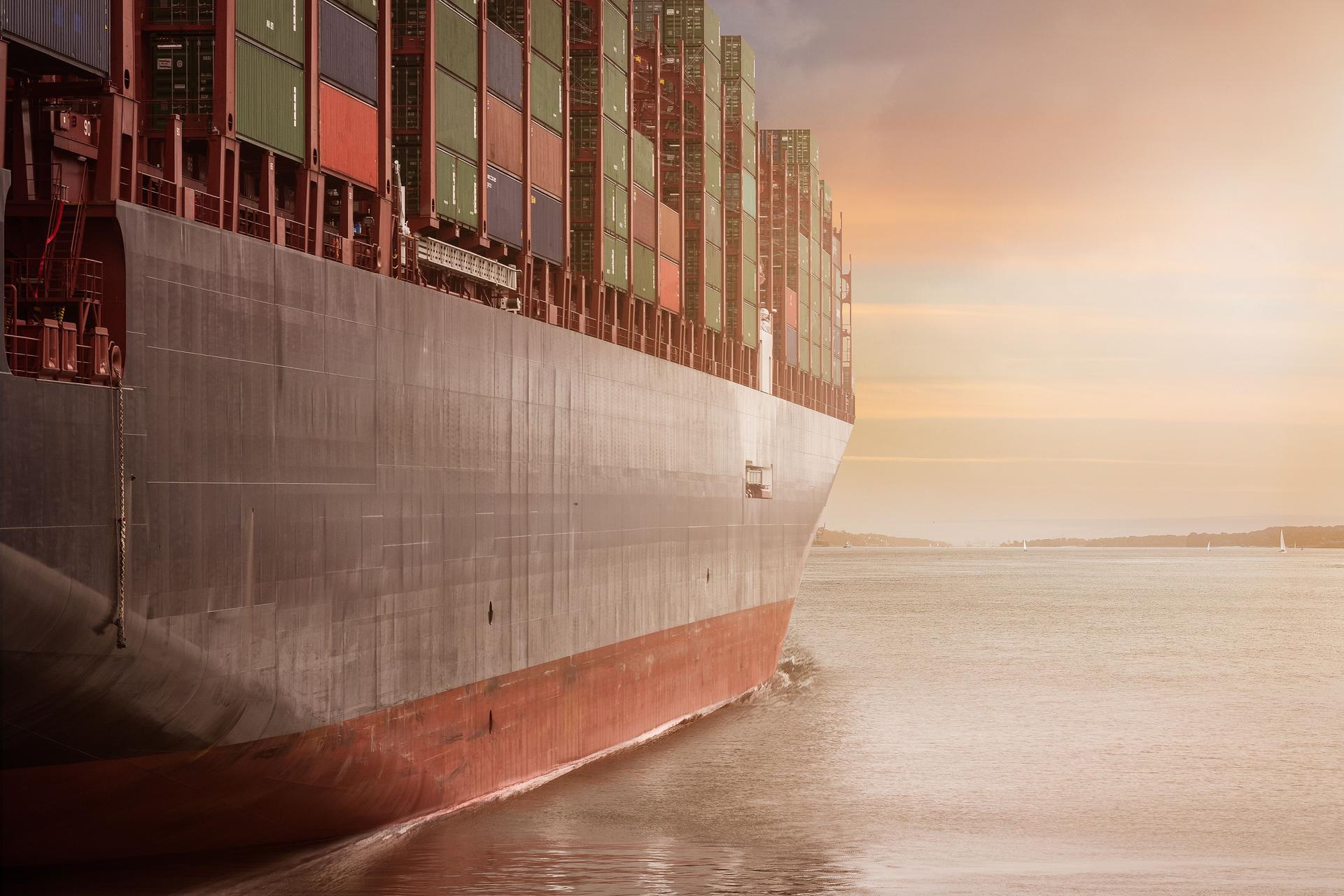
The trouble began in late March, when Tanzanian authorities intercepted the FV Sea Mfalme off the coast of Kilwa, in the country's south. The Kenyan-flagged vessel, built in 1988, was found to be carrying 61 undocumented migrants — 54 from the Democratic Republic of Congo and seven from Burundi — none of whom had any legal authorisation to make the journey.
According to accounts pieced together by Kenyan and Tanzanian investigators, the ship had been chartered for legitimate cargo transport. At some point, the vessel's captain allegedly diverted it into a human smuggling operation, turning a routine commercial voyage into the centre of a criminal case. Nine crew members were arrested and charged with human trafficking offences. Seven of them were Kenyan.
For the families back home, the charges were almost impossible to absorb. The men, they insisted, were employees who had signed on to crew a cargo ship — not smugglers. Whatever the captain had set in motion, the relatives argued, the ordinary deckhands had no way of knowing the cargo had become human.
The Price of Freedom
Initially, the two governments discussed transferring the convicted Kenyans home to serve their sentences on Kenyan soil. That path would have left the men branded as convicted traffickers, serving long terms far from the coast they knew. Further negotiations produced a different outcome: an agreement that allowed a fine to be paid in place of imprisonment.
Mining and Blue Economy Cabinet Secretary Hassan Ali Joho, who received the crew when they landed in Mombasa, said the Kenyan government paid Tsh10 million — roughly Sh497,000 — to secure their release. It is a modest sum against the weight of a twenty-year sentence, and its payment closed a case that had threatened to swallow seven lives.
Joho framed the moment as one of relief for the government as much as for the families. But the very fact that freedom carried a price tag underscores an uncomfortable reality: for low-wage maritime workers, the line between employment and entanglement in a foreign legal system can be perilously thin.
Families Who Never Stopped Believing
Throughout the months of detention, the relatives of the seven men mounted a steady campaign, maintaining that the crew were innocent workers caught in a scheme they neither designed nor profited from. They appealed to officials, followed every diplomatic development, and held to the belief that the men would eventually come home.
That belief was rewarded at the airport, in scenes that needed no translation. For Kenyan diaspora communities — many of whom follow news from home precisely because a brother, a cousin or a neighbour is working somewhere far away — the reunion resonated beyond Mombasa. It was a rare case in which advocacy, diplomacy and a willingness to pay produced a happy ending, rather than another grim announcement.
A Promise of Paperwork
Standing on the tarmac, Joho used the moment to announce measures aimed at preventing a repeat. The government, he said, plans to introduce Seafarers' Identity Documents and to deepen cooperation with regional and international partners to improve compliance and reduce risks for maritime workers.
On paper, such documents are more than bureaucratic housekeeping. Internationally recognised seafarer identity papers are designed to establish clearly who a crew member is, what they are authorised to do, and which protections they are owed — distinctions that matter enormously when a vessel is detained and prosecutors must decide who is a victim of circumstance and who is a culprit. Had such a framework been firmly in place, the families argue, the ordinary crew of the Sea Mfalme might have been spared months behind bars.
What the Case Reveals About Kenya's Workers Abroad
The seafarers' detention sits within a much larger picture. Hundreds of thousands of Kenyans work outside the country — in the Gulf as domestic and construction workers, in Europe and North America as nurses and professionals, and along the region's coastlines and waters as fishermen and crew. Their remittances are a pillar of the national economy, and their stories, good and bad, are followed closely by the diaspora that reads them as a barometer of how Kenya looks after its own.
But the same mobility that sustains families exposes workers to risks that are hard to control from afar. A change of plan by a captain, a shift in a host country's policy, or a single document out of order can turn a job into a crisis. The Sea Mfalme case is a maritime version of a pattern the diaspora knows well from the Gulf and elsewhere: workers carry the consequences of decisions made above their pay grade.
The Long Voyage Still Ahead
For now, the seven men are home, and the immediate emergency is over. The FV Sea Mfalme itself remains impounded in Tanzania, held as evidence in continuing proceedings against other suspects, and the questions about who organised the smuggling operation have not been fully answered.
What lingers is the broader lesson. The government's pledge to issue seafarer identity papers and tighten oversight of vessel operations will be measured not by the announcement but by whether the next crew caught in a foreign net is protected before, not after, the cell door closes. The diaspora — and the families who waited at Moi International Airport — will be watching to see whether the promise outlasts the relief of a single homecoming.