The Flight That Brought Them Back: How Seven Kenyan Seafarers Walked Out of a Tanzanian Prison and Into Their Families' Arms
Seven crewmen detained in Tanzania over a trafficking case they say they knew nothing about are home in Mombasa — and their ordeal exposes how exposed Kenya's workers abroad really are.
The arrivals hall at Moi International Airport in Mombasa is not built for the kind of reunion that unfolded there in mid-June. Relatives who had spent nearly three months not knowing whether they would see their sons and husbands again pressed against the barriers, some clutching phones to record the moment, others simply waiting. When the seven men finally walked through, thinner and worn but free, the sound that went up was less a cheer than a collective exhale — the release of a fear that had hung over several coastal households since the end of March.
The men are Kenyan seafarers, ordinary maritime workers who had signed on to crew a fishing vessel and instead found themselves convicted in a foreign court on charges that carry some of the heaviest penalties on the books. Their return, secured through quiet negotiation between Nairobi and Dodoma and a fine paid out of the Kenyan treasury, closed one chapter of an ordeal that began at sea and is still not fully over.
The Voyage That Went Wrong
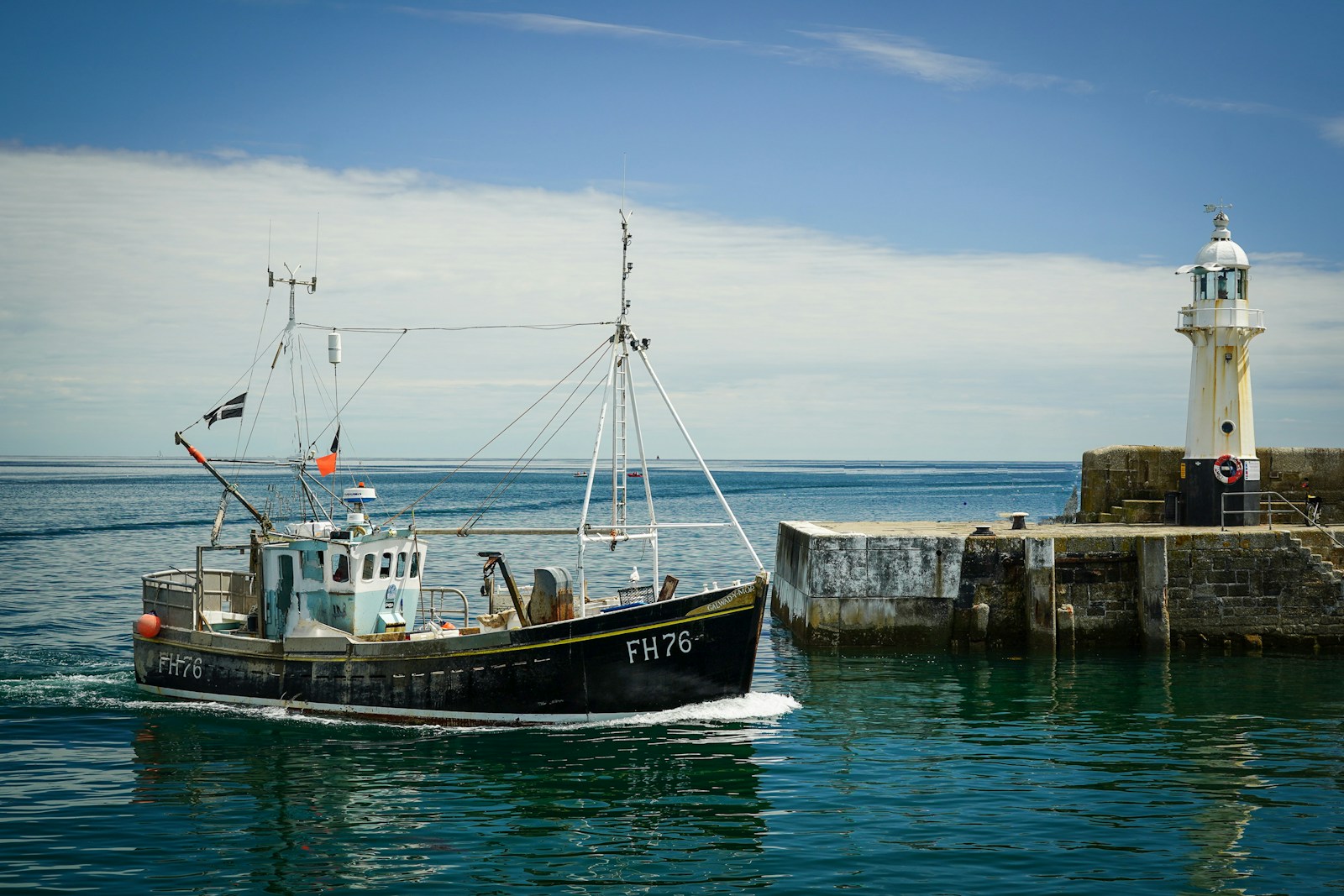
The trouble started with the FV Sea Mfalme, a Kenyan-flagged fishing vessel built in 1988 that left Mombasa earlier this year on what its crew understood to be a routine working voyage. Off the coast of Kilwa in southern Tanzania, Tanzanian authorities intercepted the ship and found dozens of undocumented migrants aboard. According to Mwakilishi, the vessel was carrying 61 people without papers, the majority from the Democratic Republic of Congo along with a group from Burundi.
What had been logged as a fishing and cargo run was, prosecutors alleged, something else entirely: a human trafficking operation moving people across the Indian Ocean. Nine crew members were charged, among them the seven Kenyans. The crew were convicted and handed a lengthy custodial sentence — The Standard and Tuko reported a ten-year term, while Mwakilishi put it at twenty — with the option of a fine in lieu of prison. Either way, for the families back on the Kenyan coast, the arithmetic was the same: their men were in a Tanzanian cell and the clock was measured in years.
Two Governments and a Fine
The breakthrough came not in a courtroom but at the negotiating table. Kenya and Tanzania first discussed transferring the convicted men north to serve their sentences at home, before settling on an arrangement that allowed a financial penalty to substitute for imprisonment. Mining and Blue Economy Cabinet Secretary Hassan Ali Joho, who travelled to receive the crew on their arrival in Mombasa, confirmed that the Kenyan government paid the fine that secured their freedom.
The exact figure is one of the few points on which the reporting diverges. Joho was quoted by Mwakilishi as putting the payment at around ten million Tanzanian shillings, roughly half a million Kenyan shillings; other outlets reported a substantially larger sum closer to three million shillings. What is not in dispute is that a government cheque, rather than a successful appeal, is what brought the men home — a distinction that matters, because it means the underlying conviction was never overturned.
"They Were Just Employees"
Throughout the months their relatives spent lobbying officials and waiting for news, the families held to a single, consistent account: the men were innocent crew who had no idea the vessel had been diverted into anything illegal. By that telling, the ship had been chartered for legitimate cargo transport and was allegedly repurposed by its captain to move migrants, leaving the deckhands, oilers and cook to face charges for a scheme they neither designed nor profited from.
It is a claim that the resolution of the case neither confirms nor erases. The FV Sea Mfalme remains impounded in Tanzania as evidence in proceedings that continue against other suspects, and questions linger over the fate of the ship's senior officers, the master and chief engineer, whose status was not clearly accounted for when the rest of the crew flew home. For the men who returned — among them a cook, deckhands and oilers, the lowest-paid hands on any vessel — freedom arrived without a verdict on their innocence. They are home, but the record still calls them convicted traffickers.
A Document That Might Have Helped
Standing in the arrivals hall, Joho used the moment to look forward as much as back. He reaffirmed Kenya's commitment to protecting its seafarers working abroad and announced plans to introduce Seafarers' Identity Documents, internationally recognised credentials that confirm a maritime worker's identity and professional standing, alongside expanded cooperation with regional and international partners.
The promise points to a real gap. Tens of thousands of Kenyans work in jobs that take them beyond the country's borders and beyond the easy reach of its consular system — on ships, in Gulf households, on construction sites across the Middle East. When something goes wrong, they often discover how thin the safety net is: a detained worker with no clear documentation, no union, and no quick line to an embassy is at the mercy of whichever system has picked him up. A proper identity document would not have kept the Sea Mfalme out of Tanzanian waters, but it might have made the difference between a crewman treated as a worker caught in a crime and one treated as a participant in it.
What the Diaspora Reads in This
For Kenyans abroad, the seafarers' story lands in familiar territory. The same week the crew came home, headlines tracked Kenyan domestic workers in the Gulf, students navigating tightening visa rules in Britain, and families appealing for help locating relatives who had vanished into foreign labour markets. The maritime case is a sharper version of a recurring anxiety: that the journey out for work can end in a foreign jail, a hospital, or a morgue, with the home government arriving late and the worker bearing the cost.
What makes this episode unusual is that the government did arrive — that a Cabinet Secretary stood in the arrivals hall and a fine was paid. Whether that reflects a new seriousness about protecting workers overseas or simply the visibility of a case that had gripped the coast for months is the question the diaspora will be watching to answer. The seven men are home with their families, which is the outcome that matters most this week. The harder work — building the documents, the agreements and the consular muscle so that the next crew never spends three months waiting for a cheque — is only beginning.