The Drop-Off That Became a Raid: What ICE Arrests at a Baltimore School Gate Mean for Kenyan Parents in America
Two parents were pulled from their car on school grounds as children watched. For Baltimore's Kenyan families, the morning routine now carries a new fear.
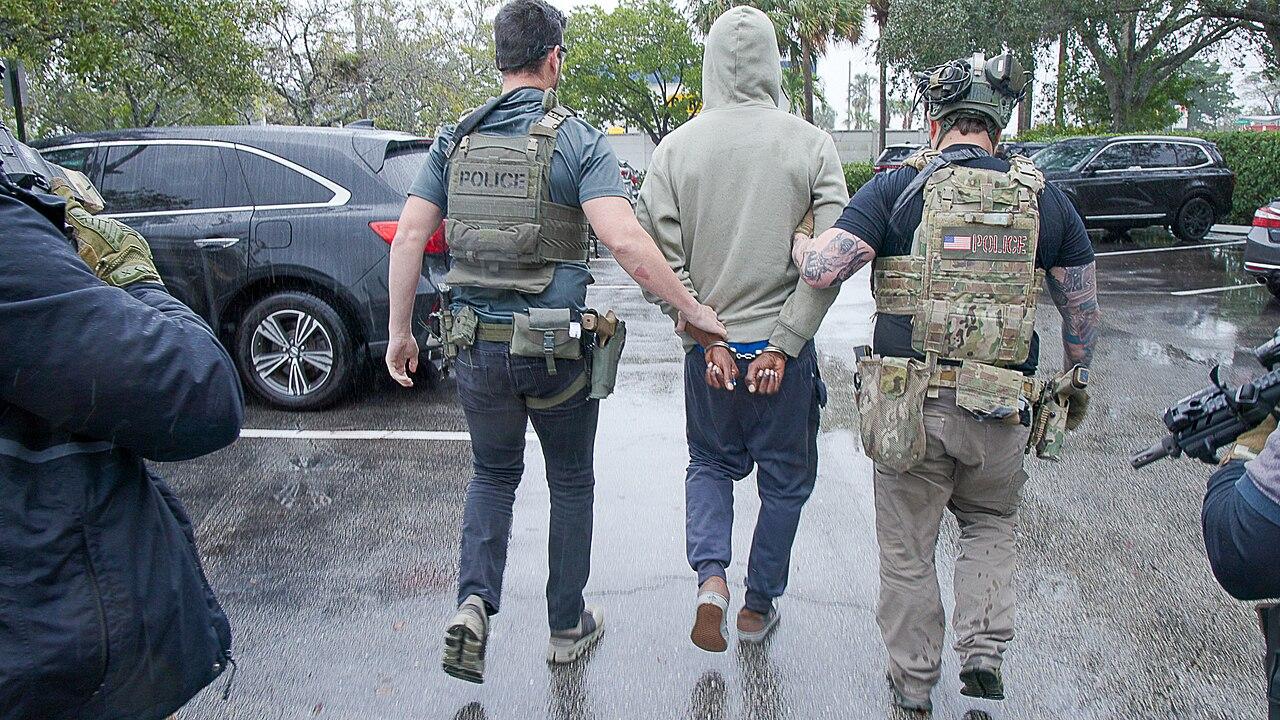
Thursday morning at Commodore John Rodgers Elementary/Middle School in East Baltimore should have belonged to the smallest students. June 11 was a day of preschool celebration, the kind of morning when parents jostle for parking and children carry paper crowns. Instead, families arriving for drop-off found federal agents in the parking lot. By the time the school day began, two adults had been taken away in restraints, a car window lay shattered, and a city was arguing about what had just happened on ground that was supposed to be off limits.
For the Kenyan families who have made Baltimore and the wider Maryland area home for decades, the images landing on phones and community WhatsApp groups carried a particular weight. The question they raised was simple and unsettling: if the school gate is no longer a boundary, where is?
The Morning the Line Moved
According to reporting by The Baltimore Banner and CNN, Immigration and Customs Enforcement agents had been pursuing a man with his family in a vehicle when the car turned into the school's parking lot during morning drop-off. Witnesses described agents detaining a woman from an SUV whose window had been broken, leading her away with her hands restrained, while other agents struggled with a man on the ground before restraining him. Small children walked past parts of the scene on their way into the building.
Maryland Senate President Bill Ferguson, whose district includes the school, said the adults were pulled from the car while children were screaming in the back seat. City and school officials confirmed that two adults were detained on school grounds — by multiple accounts the first time ICE has made arrests on school property in Baltimore since the current administration's enforcement campaign began.
ICE said the arrests were part of an ongoing operation targeting people with outstanding removal orders, and that the action was carried out in line with the agency's enforcement priorities and legal authority.
A City's Schools Push Back
Baltimore City Public Schools responded with a statement reaffirming its commitment to a safe and welcoming environment for every student, and restating district policy: the school system does not facilitate or consent to immigration enforcement on school grounds without a judicial warrant.
The reaction from parents was sharper. One parent quoted by diaspora outlet Mwakilishi put it plainly: schools should be safe havens, and watching law enforcement detain people on school grounds can be deeply traumatic for children. Civil rights advocates noted that federal guidance has long treated schools as sensitive locations where enforcement is to be avoided absent urgent circumstances — a norm that has been progressively weakened over the past year and, after Thursday, looks to many Baltimore families like it no longer exists at all.
Local officials say they intend to seek answers from ICE about why the pursuit ended in a school parking lot at drop-off hour, and to press for clearer communication when operations touch schools, clinics and other community spaces.
Why Kenyan Baltimore Is Paying Attention
Baltimore is one of the anchor cities of the Kenyan presence on the US East Coast. Its churches host Kenyan congregations, its hospitals employ Kenyan nurses and caregivers, and the community pages of diaspora media carry a steady stream of Baltimore-area announcements — graduations, fundraisers, and far too often, funerals. When something happens at a Baltimore school gate, it happens in the Kenyan diaspora's neighbourhood.
The nationalities of the two people detained on Thursday have not been disclosed, and there is no indication they are Kenyan. But the location of the arrests, rather than the identities of those arrested, is what has unsettled immigrant parents across the city. Many Kenyan households in the US are mixed-status families: a citizen child, a green-card parent, a relative whose paperwork is caught in a years-long queue. For them, enforcement that reaches into a school parking lot collapses the careful separation they have maintained between the immigration system and their children's daily lives.
Community advocates say the chilling effect is the immediate harm. Parents who fear a checkpoint at the gate stop volunteering in classrooms, skip parent-teacher conferences, and in the worst cases keep children home. Schools lose the trust that makes them work, and children absorb the anxiety their parents try to hide.
The Wider Net
Thursday's arrests did not happen in a vacuum. In the past week alone, the US House narrowly passed a $70 billion immigration enforcement package, USCIS officers have been directed to scrutinise immigration histories more aggressively, and federal authorities have widened the categories of people prioritised for removal. Each move has been reported and debated in diaspora media; each has landed on Kenyan kitchen tables as a recalculation of risk.
What the Baltimore incident adds is geography. Policy debates in Washington can feel abstract. A shattered car window at an elementary school five minutes from a Kenyan church cannot.
The New Calculus of the School Run
Legal aid organisations in Maryland are already mobilising to support families affected by Thursday's operation, and immigrant-rights groups are circulating guidance that Kenyan community leaders have begun re-sharing: know that district policy requires a judicial warrant for enforcement inside schools, keep emergency contact and custody documents current, and make a family plan that names who collects the children if a parent is detained.
None of that guidance answers the harder question of what the school run now means. For a generation of Kenyan parents in America, the morning drop-off has been the most ordinary act of belonging — the small daily proof that their children's lives are anchored here. What happened at Commodore John Rodgers does not end that, but it changes its texture. The wave at the gate now comes with a glance at the parking lot.
City officials have promised answers, the district has restated its lines, and ICE has defended its operation. The families who watched it happen, and the thousands more who saw the videos, will make their own judgments — and adjust their mornings accordingly.