The Badminton Court Inside the Football Tournament: How Kenya's Diaspora in Bradford Is Quietly Rewriting Who Gets to Play
When the third Kenyan diaspora tournament opens on 20 June, a new badminton draw will sit beside the football pitches — and a community is using the change to argue about belonging.

On a still weeknight in Slough, on the western edge of London's commuter belt, a group of Kenyan women started asking why they only ever turned up to the tournament with cooler bags and folding chairs. Their husbands and brothers played, their children played, the DJ played. They cheered. They served food. They went home. The pattern was so familiar that, for a while, no one even noticed it was a pattern.
That quiet conversation — and others like it in Bristol, Manchester and Leeds — is the reason the third edition of Kenya's UK diaspora tournament, which opens in Bradford on 20 June 2026, will not look like the first two. Alongside the football pitches that have anchored the event since 2024, organisers will roll out a full badminton draw, the first sport they have ever added to the schedule. It is a small change on paper. In the community that is showing up, it is anything but.
A Football Tournament That Outgrew the Pitch
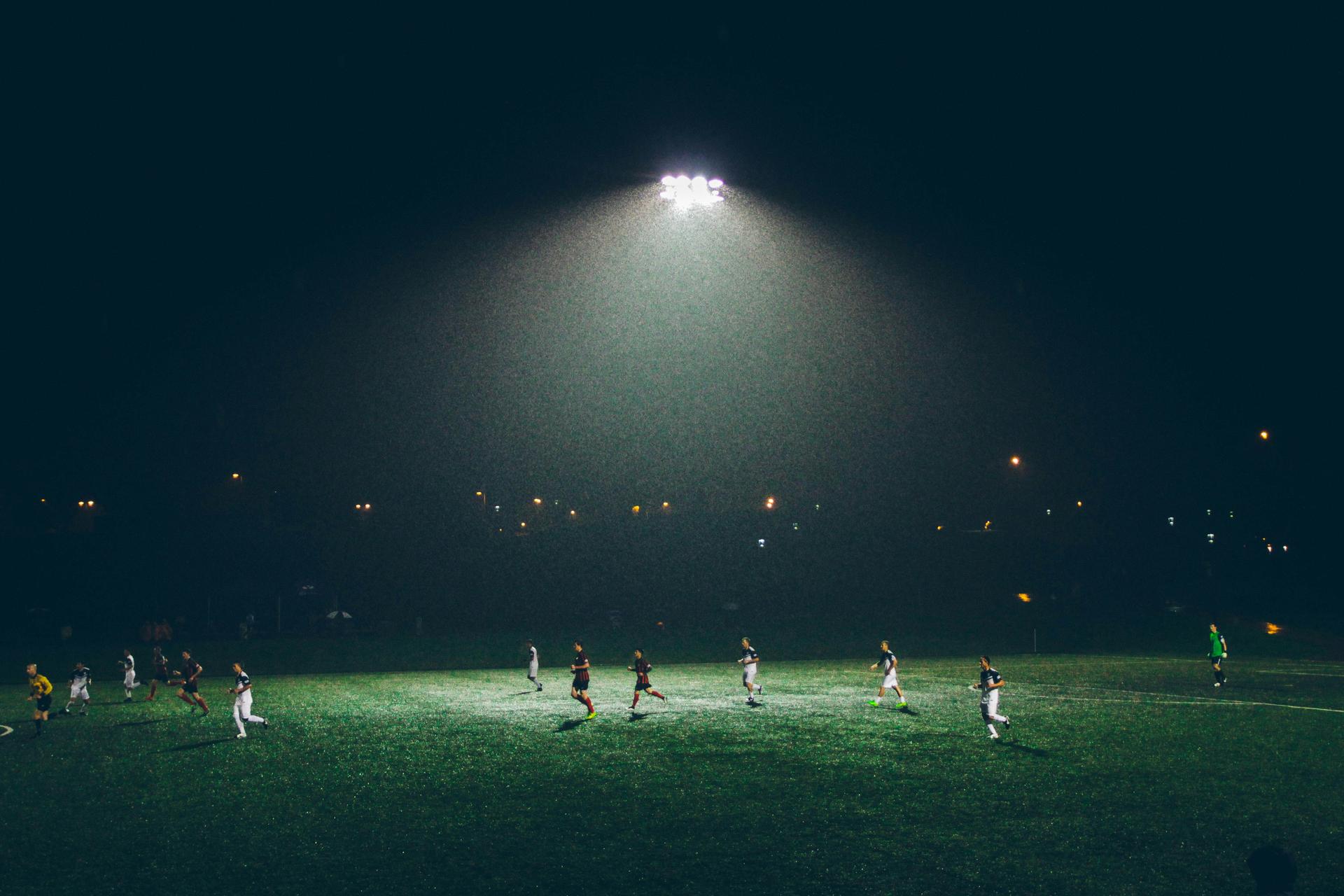
When a small group of Kenyans in the UK launched the tournament in 2024, the plan was modest: get a few teams together, play some football, eat nyama choma, go home. Two years later, the event is on track to draw close to 5,000 people, making it one of the largest single gatherings of Kenyans anywhere in Britain. The pitches in West Yorkshire have become a kind of moving capital city — a place where people from Aberdeen, Cardiff, Belfast and Brighton meet for one weekend and remember they are part of the same country.
For many of the migrants who travel up to Bradford, the appeal is not really the football. It is the noise of children speaking Swahili to strangers in a way they rarely do at school. It is the smell of pilau drifting across a car park. It is the chance to spend a day where you are not the only Kenyan in the room. After a long week of demanding shifts, training contracts and care jobs, the tournament is, as more than one attendee has put it in past editions, the closest thing to going home that does not require a plane ticket.
Why Badminton, and Why Now
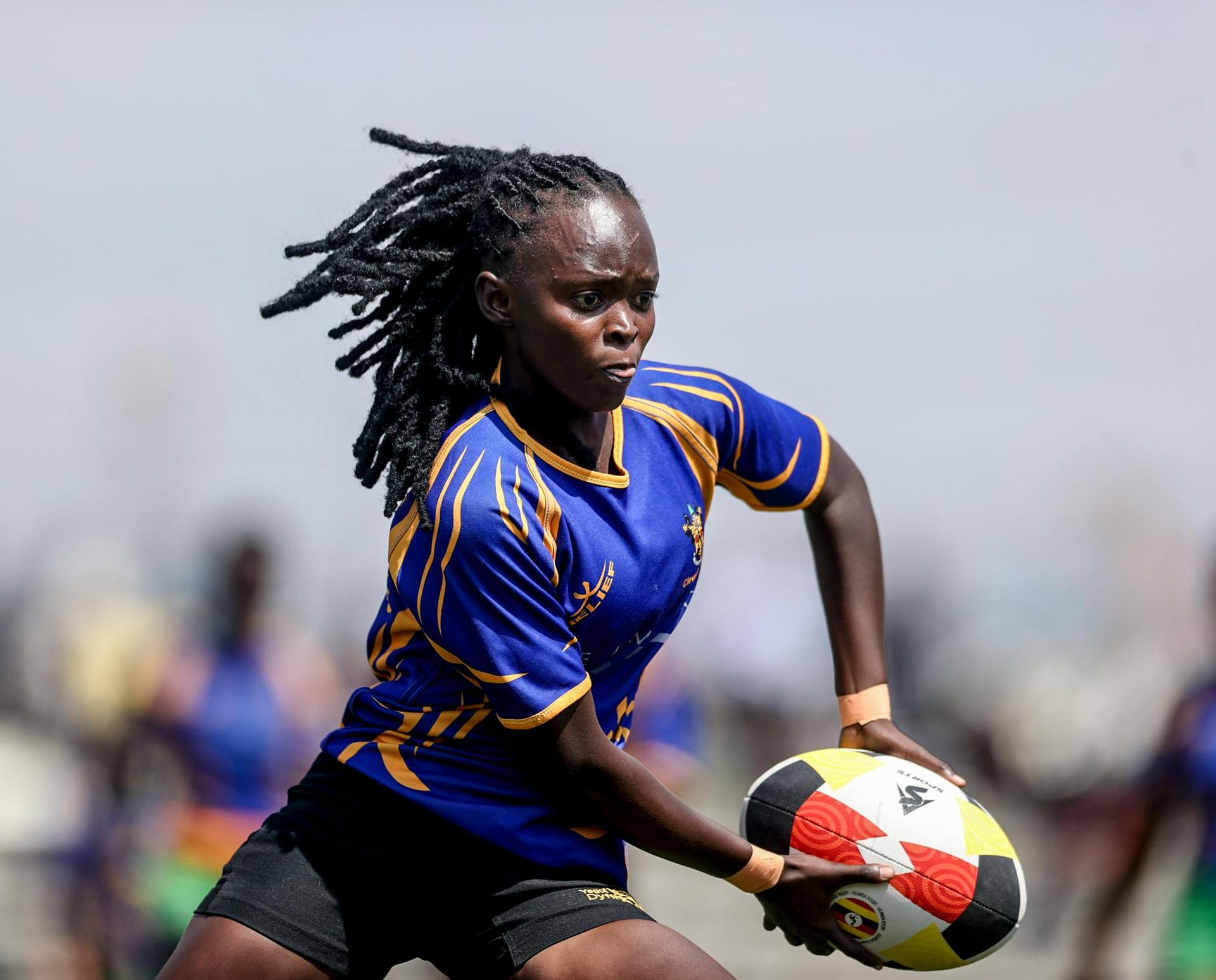
The decision to add badminton came out of the kind of meeting that has slowly become routine in towns with a strong Kenyan presence. Organisers say women in Slough kept raising the same question in community sessions: where was their sport? Football, the headline event, had quietly settled into a pattern where men played and women supported. The few female footballers among the diaspora often felt outnumbered, watched, or pressured to justify their place on the pitch.
Pascal Kiplagat Korir, a Bristol-based diaspora coordinator and social services professional widely known in the community as Tokodi, has been candid about the cultural maths behind that pattern. He has noted that many Kenyan women in the UK still grew up in households where football was framed as a men's game, and that the global rise of women's football is something the community is still catching up to. Adding a sport that women in Slough were already organising informally — badminton — was, in his telling, a way to meet people where they actually were rather than where the organisers wished they would be.
There is also a practical edge to the choice. Badminton is cheap to run, indoor when needed, and forgiving to bodies that have already spent the week on their feet in NHS wards and warehouse shifts. It does not require a full eleven on each side. It can be played by a teenager and a grandmother on the same afternoon without anyone feeling out of place. For a tournament built around the idea of community first, that is a feature, not a compromise.
The Mental-Health Stakes Hidden in a Saturday Match
The organisers in Bradford are unusually open about something that does not always get spoken about in diaspora coverage: the quiet weight of loneliness. Many of the Kenyans who travel up for the tournament live thousands of miles from siblings, parents and old school friends. They send remittances home and answer WhatsApp messages at odd hours, but the daily texture of life — the unannounced visit, the shared joke at a funeral, the casual catch-up at church — is not something a money transfer can replace.
Korir has framed the tournament partly as a mental-health intervention, and the framing is not marketing. Doctors who work with the East African community in the UK have long noted that depression and isolation are common, especially among older migrants and those whose visas tie them tightly to a single employer. A weekend that gives people permission to speak Kiswahili in a crowd, to dance, to lose at badminton in front of strangers, is in that sense a kind of preventive medicine. It is also, importantly, free at the point of use.
A Map of Money: The Sponsors That Bet on Diaspora Saturdays
The third edition of the tournament has attracted a quietly revealing list of corporate backers. Remittance and digital banking platforms LemFi and PayAngel are among the headline sponsors. Telecommunications firm Talkcoms is on the list, as are travel firm World Travel Options, Birdview Insurance and the Nairobi-listed investment company Centum. None of these companies is sponsoring a Bradford weekend for sentimental reasons. The Kenyan diaspora in the UK is, by every available measure, an unusually attractive customer base: working-age, salaried, financially active, sending money home month after month.
That commercial interest cuts both ways. Sponsorship money is what allows a community-run event to scale from a kickabout to a 5,000-person festival without charging punishing entry fees. It is also what gives organisers the confidence to talk publicly about future expansion — athletics, volleyball and even pool games have been floated as candidates for the 2027 edition. The risk, of course, is that a tournament built on intimacy starts to feel like a trade show. The Bradford team's bet is that the badminton court, with its small crowds and its very particular politics, will keep the event grounded.
What 5,000 People in a Field Tell Kenya About Itself
For Nairobi, a story about badminton in West Yorkshire might look like a footnote. It is not. The UK is one of the largest single hosts of the Kenyan diaspora, and the people who travel to Bradford on 20 June will, between them, send back tens of millions of pounds this year. They will vote, eventually, in 2027. They will argue about the country's politics in language that is shaped as much by Manchester and Bristol as by Kisumu and Mombasa.
What the organisers are doing — quietly, without fanfare — is widening the definition of who counts as part of that conversation. A woman who has spent three years pushing trolleys at a Heathrow hotel does not, in a Bradford sports hall on a Saturday in June, have to prove she belongs. She picks up a racket. She plays. She loses, or she wins, and someone she has never met before pours her a drink. For a community that has spent a long time being defined by what it left behind, that is its own small revolution.