Mwamba's Quiet Morning: How Michelle Alivitsa's Death Reached Every Diaspora Living Room That Still Watches the Lionesses
The Kenya Lionesses scrum-half died on Wednesday after an illness. Her loss is the second blow this year to a women's rugby family whose audience now lives in many time zones.
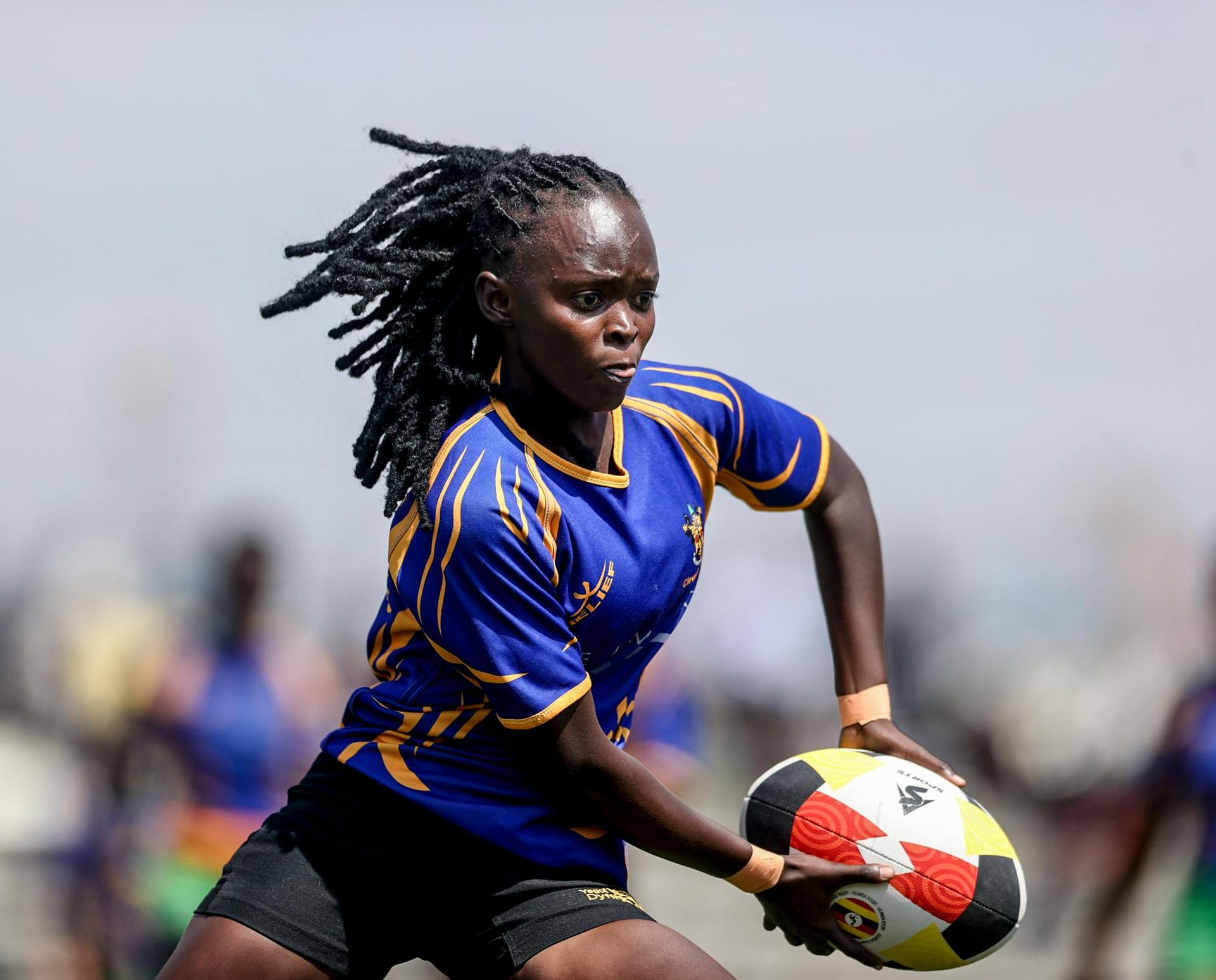
The first message moved before sunrise. It was a Kenyan rugby parent in Atlanta, scrolling out of habit between the late news and an early shift, who paused at a familiar handle. The Kenya Rugby Union had posted a short, careful sentence at the top of her timeline. The Mwamba Rugby Club had posted a longer one a few minutes later. Both said the same thing in their own register. Michelle Alivitsa, the young scrum-half who had pulled on the green and red for the Mwamba women's side and earned a place inside the Kenya Lionesses programme, had died on Wednesday while receiving treatment at an undisclosed hospital after an illness. The parent in Atlanta read the post twice, then forwarded it to a WhatsApp group whose name says simply, "Mwamba Mama". By the time the sun climbed over Nairobi later that morning, every household on that thread, in Texas and in Toronto, in Manchester and in Doha, already knew.
That is how grief travels now in Kenyan rugby. Not on the back pages of a Tuesday paper but in the small hours of someone else's morning, jumping from a club page to a private chat to a cousin's voice note in a single breath. It is why the death of a 15s scrum-half most casual fans had not yet learned to name was on a phone in Lawrenceville before it had reached most pitches in Nairobi.
The Player Mwamba Lost
The bare facts are short, because the family and club have asked for space. Alivitsa died at around 1 a.m. on Wednesday, 28 May, while undergoing treatment at a hospital that has not been named. Mwamba RFC and the Kenya Rugby Union confirmed the news in matching statements on Thursday morning, each carrying the same disbelief that runs through any rugby club when a young player is suddenly gone. The cause of death has not been disclosed. Funeral arrangements are pending.
Inside the union's tribute, the words that mattered to her teammates were the ones that stitched her to a uniform. Alivitsa, the KRU said, proudly represented the 15s Lionesses programme and would be remembered for her contribution, dedication and passion for the game. Mwamba's note went further. She was, the club said, more than a teammate. She was a sister, a friend and a valued member of the Mwamba family, a scrum-half whose work rate on the pitch and presence in the changing room shaped the women's side around her. By morning, the tributes had multiplied to the point that a quiet club page felt like a vigil.
A Sport That Now Lives in Many Time Zones
For Kenyans abroad, the Lionesses are no longer just a national team played out of reach in Nairobi. The 15s programme and the sevens side that grew up alongside it have travelled more in the last decade than at almost any point in their history. Rugby Africa Cup matches reach diaspora living rooms through livestreams from Madagascar and Tunisia. The sevens circuit pulls Kenyan players through Cape Town and Dubai, through Hong Kong stops and Sydney pitches that fill with diaspora flags every March. There is a small but loyal Kenyan rugby congregation in Birmingham and London that drives down for any sevens leg within striking distance of an M25 junction. There is a Kenyan-American Sunday league in the Mid-Atlantic that follows the Lionesses results the way diaspora football fans follow the Stars.
That is why the news of Alivitsa's death did not stop at the boundaries of Mwamba's home ground in Nairobi. It moved into the same diaspora messaging networks that have carried congratulations after wins in Stellenbosch and disappointment after losses in Madagascar. The phone trees that lit up at dawn on Thursday are the same ones that fund player flights and stream match feeds so a fan in Massachusetts can watch a Lionesses run-in. To them, Alivitsa was not a stranger. She was the next name they were learning to cheer.
A Second Loss in One Year
This is also the second time in less than a year that the Lionesses family has had to write a tribute it did not expect. In February, the former Kenya Lionesses head coach Felix Oloo died in the United States at the age of 41. American authorities opened an investigation, and the news landed hardest in the very diaspora networks that are now mourning Alivitsa, because Oloo had built his reputation around the women's programme and was widely seen as one of its most patient developers. Former players described him then as a mentor, a brotherly figure and a teacher. They are using the same vocabulary this week for Alivitsa, and many of the same accounts are doing the writing.
That double loss has begun to surface a quiet conversation inside Kenyan rugby's diaspora following, one that does not fit neatly inside a tribute post. It is about how young women athletes in Kenya are supported when illness or injury arrives, about how thin the medical and welfare scaffolding around amateur club rugby still is, about how often the first place a player's family turns for help is a fundraising page seeded by relatives abroad. Nobody in the Mwamba tributes is making that argument out loud, and they should not have to on a day of grief. But the questions are sitting inside the silence between posts, and they are the questions a diaspora that has spent years buying flights and printing jerseys is most likely to keep asking once the week is over.
What Mourners Are Asking For
For now the immediate ask is simple and familiar. Mwamba RFC and the Kenya Rugby Union have asked the rugby community to give Alivitsa's family privacy as funeral arrangements are finalised. Teammates have asked the public not to speculate about the illness or the hospital in which she was treated. Sports broadcaster Carol Radull's note was the kind that travels easily across borders: heartfelt condolences to the family and the entire Mwamba RFC fraternity, she wrote, and rest in peace.
The harder asks will come later. Diaspora supporters have begun, in small private threads, to talk about a memorial fund of the kind that has followed previous Kenyan rugby losses, with proceeds directed by the family rather than by any single club. There is also early talk of a memorial match between Mwamba and a touring diaspora side once the season permits, an idea that has surfaced after past tragedies and tends to take real shape only when a family signals it would welcome the gesture. It is simply where rugby goes when one of its own is suddenly gone.
A Quiet Pitch, and the Listening It Asks For
There is no way to write around the smallness of the loss. Michelle Alivitsa was young. She had earned the maiden Lionesses call-up that any club scrum-half spends years chasing. She had a club that called her sister. She had a circle of supporters in countries she may never have visited who already counted her as theirs because of the jersey she wore. On Thursday morning that circle was awake before its alarms, scrolling slowly, sending the same message to different time zones, and waiting for whatever the family chooses to say next.
The pitch at Mwamba's home ground will be quieter than it should be this weekend. The diaspora living rooms that follow Kenyan women's rugby will be quieter too. Both are listening for the same thing, which is the family's voice telling everyone how they wish her remembered.