Lock the Doors, Watch the News: Washington's Saba Saba Advisory and the Diaspora's July Homecoming
As Nairobi wakes to checkpoints and tear gas, a quiet US Embassy advisory lands hardest on the thousands of diaspora Kenyans home for the July holidays.
The messages started landing in the family WhatsApp groups before dawn in New Jersey, and long before the coffee was ready in Dallas and Seattle. Usiende town leo — don't go to town today. A cousin's voice note from Kasarani describing the queue of matatus idling at a checkpoint on Thika Road. A screenshot of a road closure map, forwarded four times over. For the Kenyan diaspora in America, six or more time zones behind, Tuesday's Saba Saba anniversary arrived the way most Kenyan crises now do: second-hand, in fragments, on a phone.
But this time there was also an official version. In an alert circulated ahead of the anniversary and reported by Kenyans.co.ke on Monday, the US Embassy in Nairobi warned American citizens living in or visiting Kenya to prepare for a tense July 7. "U.S. citizens are advised that around July 7 there may be a heightened security presence," the advisory reads in part, warning that checkpoints, traffic disruption and congestion were likely, and that demonstrations "may occur at any time," particularly in business districts and along key travel routes.
For most of the embassy's audience, that language is routine. For one group in particular — the dual citizens, green-card holders and American-born children of Kenyan parents who fly home each July — it is anything but abstract. The advisory arrived in the middle of the diaspora's busiest homecoming season, and on a morning when the roads it warned about were already closing.
The Advisory That Reads Like a Checklist
The embassy's guidance, as reported, runs like a checklist written by someone who has watched a Nairobi protest day unfold before. Avoid crowds and demonstrations. Monitor local news outlets in real time. Keep car doors locked and windows up when driving through the city. Tell family and friends where you are. Review your personal security plan. And carry identification at all times — specifically, a copy of your passport together with a valid Kenyan visa.
That last line deserves a second reading from diaspora families. Many American citizens of Kenyan descent travel on US passports with Kenyan entry stamps or eVisas; others hold dual citizenship and move between documents. On a day when police are checking vehicles at roadblocks across the capital, the embassy's advice amounts to a plain instruction: be able to show who you are, quickly, wherever you are stopped.
None of it is dramatic language. That is rather the point. Embassies issue demonstration alerts in Kenya several times a year, and the Nairobi mission has posted them around every major protest date since the 2024 finance bill demonstrations. What gives this one weight is the calendar — and the morning that followed it.
A City of Checkpoints
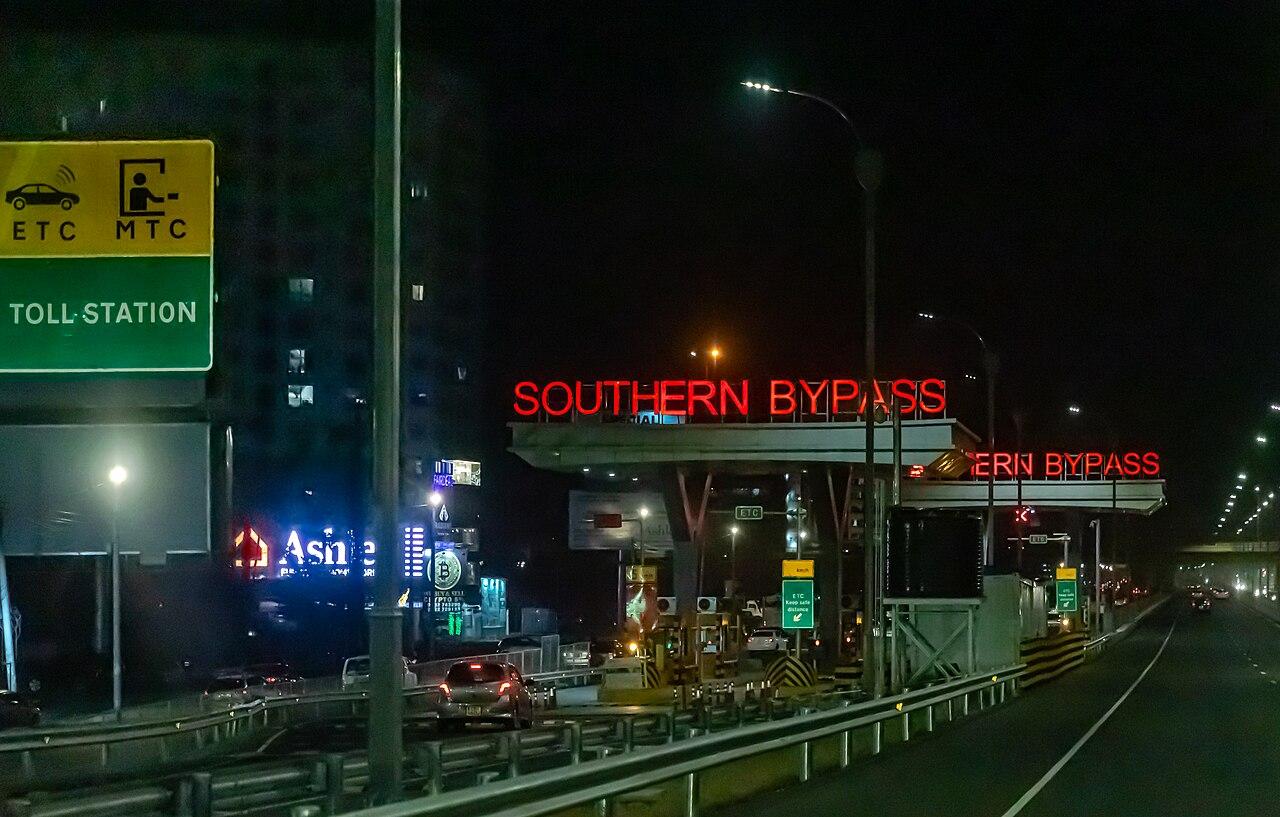
By the time Nairobi's commuters were on the road on Tuesday, the advisory had stopped being hypothetical. Police mounted roadblocks overnight on the major arteries feeding the Central Business District, and by morning rush hour Thika Road, Jogoo Road, Mombasa Road, Waiyaki Way and Lang'ata Road were all recording major disruptions and diversions, according to Kenyans.co.ke. Access to the CBD was, in practice, shut to most vehicles. Capital FM reported a tightened security cordon across the city centre, with officers screening vehicles at checkpoint after checkpoint, and stranded commuters walking long stretches into town.
The city's police leadership left no ambiguity about its posture. Nairobi Regional Police Commander Issa Mohamud declared Tuesday's planned demonstrations illegal, warning that anyone participating would be treated as a criminal. Organisers, for their part, had formally notified police of a planned march from Jeevanjee Gardens to Parliament — a procession intended to press demands over police accountability, disappearances and the cost of living. The gap between those two positions — a notified march on one side, a blanket ban on the other — is where Saba Saba days become unpredictable.
Thirty-Six Years of Seven Seven
Saba Saba — "seven seven" in Kiswahili — carries a history every diaspora family over forty knows by heart. On July 7, 1990, Kenyans defied Daniel arap Moi's one-party state and gathered at Kamukunji grounds to demand multiparty democracy, after the detention of reform leaders Kenneth Matiba and Charles Rubia. The crackdown that followed left people dead and hundreds arrested, and it seeded the movement that forced open Kenya's political system the following year.
That is why the date refuses to fade. Every July 7, some part of Kenya's civic memory walks toward the city centre, and some part of the state braces to stop it. Last year's anniversary turned deadly, with protesters killed across several counties as demonstrations were dispersed — a toll that diaspora Kenyans followed in real time through livestreams and hashtags, many of them recognising the streets, and some of them recognising the names. This year's heavy overnight deployment, and Washington's pre-emptive advisory, are both downstream of that memory.
The July Homecoming Problem
July is not a random month for any of this to matter to the diaspora. It is the heart of the summer travel window, when school holidays in America and Europe send thousands of Kenyan families onto Nairobi-bound flights for weddings, funerals, land matters and grandparents. This site reported only days ago on the elevated cost of the July flight home; those same expensive tickets have now delivered families into a week when the capital's roads are checkpointed and the embassy is advising against approaching crowds.
The practical calculus for a visiting family is unglamorous. A clinic appointment in Upper Hill, a land-registry errand in the CBD, a flight out of Jomo Kenyatta International Airport on Mombasa Road — each now requires a margin of hours, not minutes. The embassy's advice to share one's whereabouts with relatives reads differently when the relatives doing the tracking are in Minnesota, refreshing a WhatsApp group at three in the morning. And for travellers with onward connections, the message circulating in diaspora forums all morning has been consistent: leave for the airport absurdly early, carry documents, and do not argue at a roadblock.
Watching From Afar, Planning From Close
There is a temptation, from a distance, to file days like this under familiar political theatre. The diaspora rarely has that luxury. Its members carry both of the identities the day touches — the citizens whose democratic memory Saba Saba honours, and the foreign-passport holders whose embassy is telling them to stay clear of it. Both things are true at once on July 7: the anniversary is a proud one, and the streets that commemorate it are, for a few hours, genuinely unpredictable.
The sensible reading of Washington's advisory is neither alarm nor dismissal. It is the same reading Nairobi households made before dawn on Tuesday when they told each other, gently, usiende town leo. Stay reachable. Keep your papers close. Let the city have its day of memory — and plan your errands, and your flights, around it.