Ghana Launches Emergency Repatriation of 300 Citizens Fleeing South Africa Xenophobic Attacks
Ghana has secured presidential approval to evacuate 300 citizens from South Africa amid a surge in xenophobic violence targeting African migrants. The repatriation follows intense diplomatic pressure after a mayor in Est
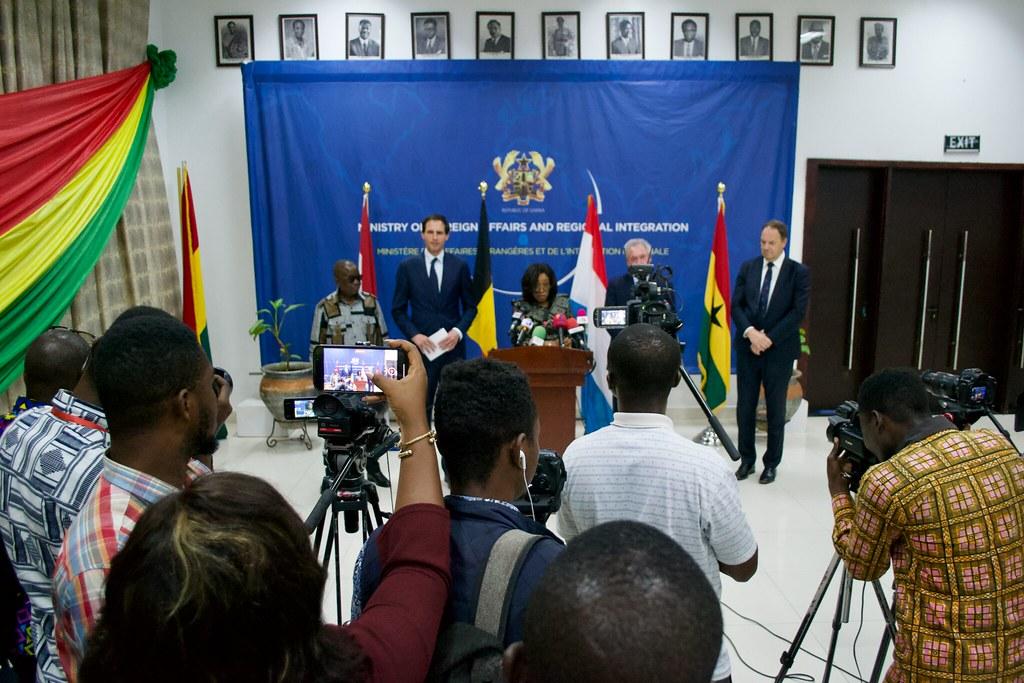
President John Mahama has authorized the immediate evacuation of 300 Ghanaians from South Africa as violent xenophobic attacks intensify across the country, Ghana's Foreign Minister Samuel Okudzeto Ablakwa confirmed this week.
The emergency repatriation comes after weeks of targeted violence against foreign-owned businesses, particularly in Durban and Estcourt, where local vigilantes — backed in some cases by municipal officials — have forcibly closed shops, confiscated property, and assaulted African migrants. In Estcourt, near Durban, a local mayor allegedly seized keys to Ghanaian mechanic shops and small enterprises and handed them over to South African residents, prompting Ghana's High Commission in Pretoria to threaten legal action.
"The mayor in Estcourt has taken keys belonging to Ghanaians and other African migrants who are genuinely and legally working in his area," said Benjamin Anani Quashie, a High Commission official. "He has taken the keys, handed over their shops and businesses to locals."
A Mayor Backs Down — For Now
Following intense diplomatic intervention from Ghana, Nigeria, Malawi, and other African nations, the Estcourt mayor has walked back his eviction order and requested dialogue. "He spoke to me this morning, and he indicated that he's looking for a meeting and getting this matter resolved," Quashie told reporters. But the Ghanaian mission made clear that legal threats will remain until all seized properties are returned to their rightful owners.
The 300 Ghanaians approved for evacuation had previously registered with the High Commission in Pretoria in response to official safety advisories. Ghana's Ministry of Foreign Affairs is now coordinating with diplomatic partners to ensure a safe and orderly return. The Ministry stated it will continue to safeguard the welfare of all Ghanaians at home and abroad.
'March and March' and a Pattern of Violence
The recent wave of attacks has been fueled by March and March, a citizen-led anti-immigration movement founded in March 2025 that has organized demonstrations in Pretoria, Johannesburg, and Durban in April 2026. Human Rights Watch documented violent incidents in which vigilantes whipped foreign nationals with golf sticks and sjamboks (heavy whips), sprayed pepper spray, and used stun guns.
A 43-year-old Cameroonian shop owner in Durban told Human Rights Watch that attackers broke down his door on April 17 and assaulted him and three colleagues despite the fact that he is lawfully married to a South African woman. "They whipped us and sprayed pepper spray on us. No one came to assist us," he said.
Since 2008, South Africa has experienced intermittent waves of xenophobic violence. The 2019 attacks primarily targeted Nigerian nationals, while the rise of vigilante groups like Operation Dudula in 2021-2022 signaled a troubling normalization of anti-migrant sentiment. The current crisis, driven by unemployment rates above 43 percent, has once again turned foreign nationals into scapegoats for South Africa's economic woes — despite studies that disprove such claims.
A Continental Crisis
On April 27, UN Secretary-General António Guterres expressed concern over reported xenophobic harassment and attacks in South Africa. The African Commission on Human and Peoples' Rights has called on the South African government to investigate the violence, hold perpetrators accountable, and ensure affected migrants have access to justice and protection.
South Africa's Department of International Relations and Cooperation (DIRCO) has signaled renewed commitment to addressing xenophobia and has engaged with diplomatic missions to prevent local mayors from overstepping their legal mandates. Legal experts within the diplomatic corps have confirmed that the 21-day eviction order issued in Estcourt lacked any valid legal foundation under South African law.
For Ghana and other African nations, the crisis has triggered broader conversations about intra-African migration, solidarity, and the safety of the African diaspora within the continent itself. "South Africa xenophobic attacks are a setback to African solidarity," said Ghanaian MP Zanetor Agyeman-Rawlings.
What Comes Next
Ghana's Ministry of Foreign Affairs has not yet announced a timeline for the evacuation flights, but officials say coordination is underway. The 300 registered citizens will be contacted directly. Meanwhile, diplomatic efforts continue to secure the return of seized properties and to monitor the safety of Ghanaians who choose to remain in South Africa.
For now, the continent watches — and waits to see whether South Africa's national leadership can rein in local vigilantes and restore the promise of pan-African solidarity.
Reporting drawn from GBC Ghana Online, Human Rights Watch, OkayAfrica, Explain.co.za, Sunday Tribune.