From Nairobi Runways to the Red Dirt: How Mercy Muigai's Mining-Camp Videos Are Rewriting the Kenyan Dream in Australia
She arrived on a student visa and shivered through a winter without a blanket. Now the creator known as Mercy MM works Australia's remote mines — and thousands of Kenyans are watching.
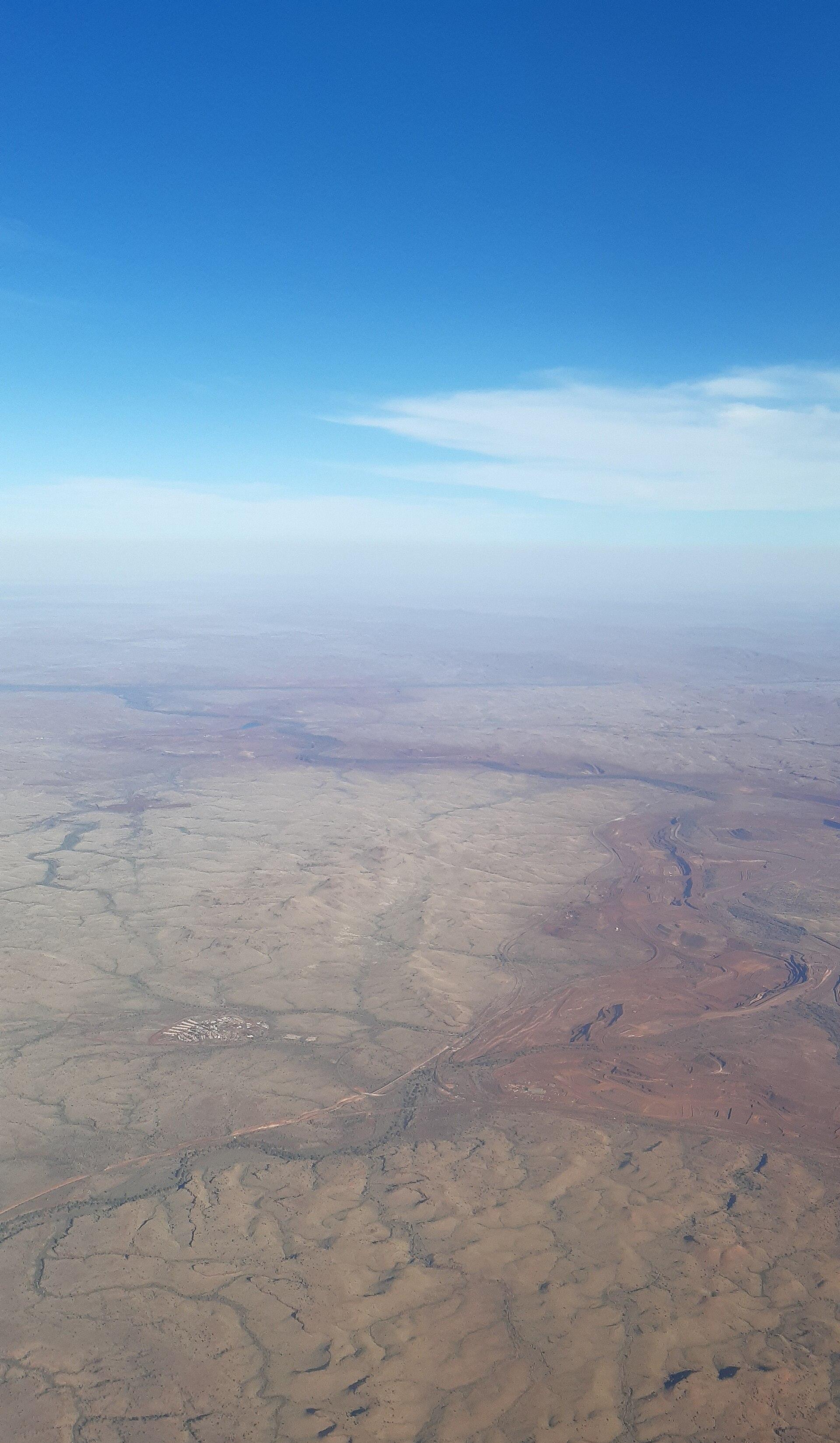
The working day at an Australian mine site begins before the sun does. Buses run from the accommodation village to the pit in the half-dark, hi-vis jackets glowing under floodlights, and the red dust of the Pilbara gets into everything — boots, laundry, camera lenses. It is about as far from a Nairobi fashion shoot as a person can get. For Mercy Muigai, a Kenyan content creator who once built her YouTube channel around style and self-expression, it is now the backdrop of both her livelihood and her storytelling.
Muigai, known to her audience as Mercy MM, has become one of the most closely watched Kenyan voices in Australia. This week, the diaspora news outlet Mwakilishi profiled her journey, and the details she has shared publicly over the years explain why her videos travel so widely: they describe, without varnish, what it actually costs to build a life on the other side of the Indian Ocean.
The Channel That Started With Clothes
Muigai's platform did not begin in a mine. According to a profile by the community organisation Kenyans In Australia, her early videos were rooted in fashion, blending Kenyan aesthetics with Western trends for an audience of diaspora Kenyans and style enthusiasts. It was a colourful, personal window into life abroad — the kind of content that makes migration look like an aesthetic.
The turn came when her life turned. As Mwakilishi reports, Muigai had arrived in Australia on a student visa, joining the stream of international students betting on education as a route to a better career. The reality that met her was harder than the brochures. She has spoken openly about struggling to pay tuition fees, going hungry, and spending an Australian winter without a blanket — details she shares not for sympathy, but as a corrective to the filtered version of diaspora life that dominates social media.
To stay afloat, she worked the jobs that international students actually work: aged care, cleaning, kitchens, housekeeping. Those years, she has said, taught her that settling abroad usually involves a long stretch of instability before anything resembling security arrives.
What FIFO Actually Means
Since 2025, according to Mwakilishi, Muigai has worked in Australia's fly-in fly-out mining industry, beginning as a mine site housekeeper. The acronym FIFO describes one of the defining labour arrangements of the Australian resources economy: workers are flown to remote sites — many of them in the iron-rich Pilbara region of Western Australia — for extended rotations, living in company accommodation villages, then flown home for scheduled leave.
The industry runs on far more than geologists and machine operators. Electricians, truck drivers, nurses, chefs, cleaners and safety officers all cycle through the camps, and the packages on offer often include competitive pay, flights, meals and accommodation. That combination has made FIFO work a magnet for migrants willing to trade comfort for earning power.
The trade is real, though. Rotations mean weeks at a time in isolated country, away from family, in a routine built around long shifts and early nights. Muigai's videos document the shift patterns, the application process, and the parts nobody advertises: the isolation, the homesickness, the discipline required to bank the money rather than burn it. As she has put it in her content, the financial rewards can be substantial, but the work demands resilience and personal sacrifice.
Why Her Audience Is Really Watching
Muigai's channel matters because it sits at the intersection of two things Kenyans abroad care about intensely: honest information and proof of possibility. The Kenyans In Australia profile credits her with breaking down misconceptions about who belongs in the mining industry — showing women and Africans in roles many assumed were out of reach — and with turning her platform into a practical resource for people considering the move.
She has used that platform to explain Australia's migration architecture, including pathways such as the Working Holiday Visa programme. Here her honesty cuts against her own marketing: Kenya is not among the countries eligible for that visa, a fact she makes plain rather than letting hopeful viewers assume otherwise. After years of work and persistence, Mwakilishi reports, she secured permanent residency — the milestone that allows her to live and work in Australia indefinitely, and the point most of her audience is aiming for.
That candour is the difference between content and guidance. A viewer in Nakuru watching her videos learns not just that a Kenyan can end up on a Pilbara rotation, but roughly what it takes, how long it can hurt, and which doors are actually open.
The Economics Behind the Story
Behind every FIFO rotation and every aged-care night shift sits the same quiet engine: remittances. Money sent home by Kenyans abroad funds school fees, hospital bills, houses and small businesses, and has become one of Kenya's largest sources of foreign exchange — a contribution large enough that President William Ruto has taken to calling the diaspora the country's "48th county". Former Foreign and Diaspora Affairs Cabinet Secretary Alfred Mutua, for his part, has repeatedly called for stronger protections for Kenyans working overseas, an acknowledgement that the money arrives at a human cost.
Australia remains a smaller corridor for Kenyan migration than the United States, the United Kingdom or the Gulf, but stories like Muigai's are changing its place in the imagination. The resources sector pays in a strong currency, and a disciplined worker on rotation can support a family across the ocean while building a life in a new country.
A Door, Not a Guarantee
The temptation with a story like Muigai's is to read it as a template. It is better read as a map with the hazards marked. She went hungry before she was paid well. She cleaned rooms before she filmed them. The visa categories that worked for her are not open to everyone, and the ones that are open demand qualifications, patience and paperwork.
What she offers her viewers, in the end, is something scarcer than inspiration: an accurate picture. For a generation of Kenyans weighing offers, scrolling job boards and calculating the cost of leaving, that may be the most valuable export the diaspora produces.