Doubted at the Bedside: How a Kenyan Nurse's Decade in American Healthcare Surfaced a Quieter Diaspora Wound
Judy Mwangi's account of bias in US hospitals lands in a diaspora that knows the story by heart but rarely speaks it out loud.
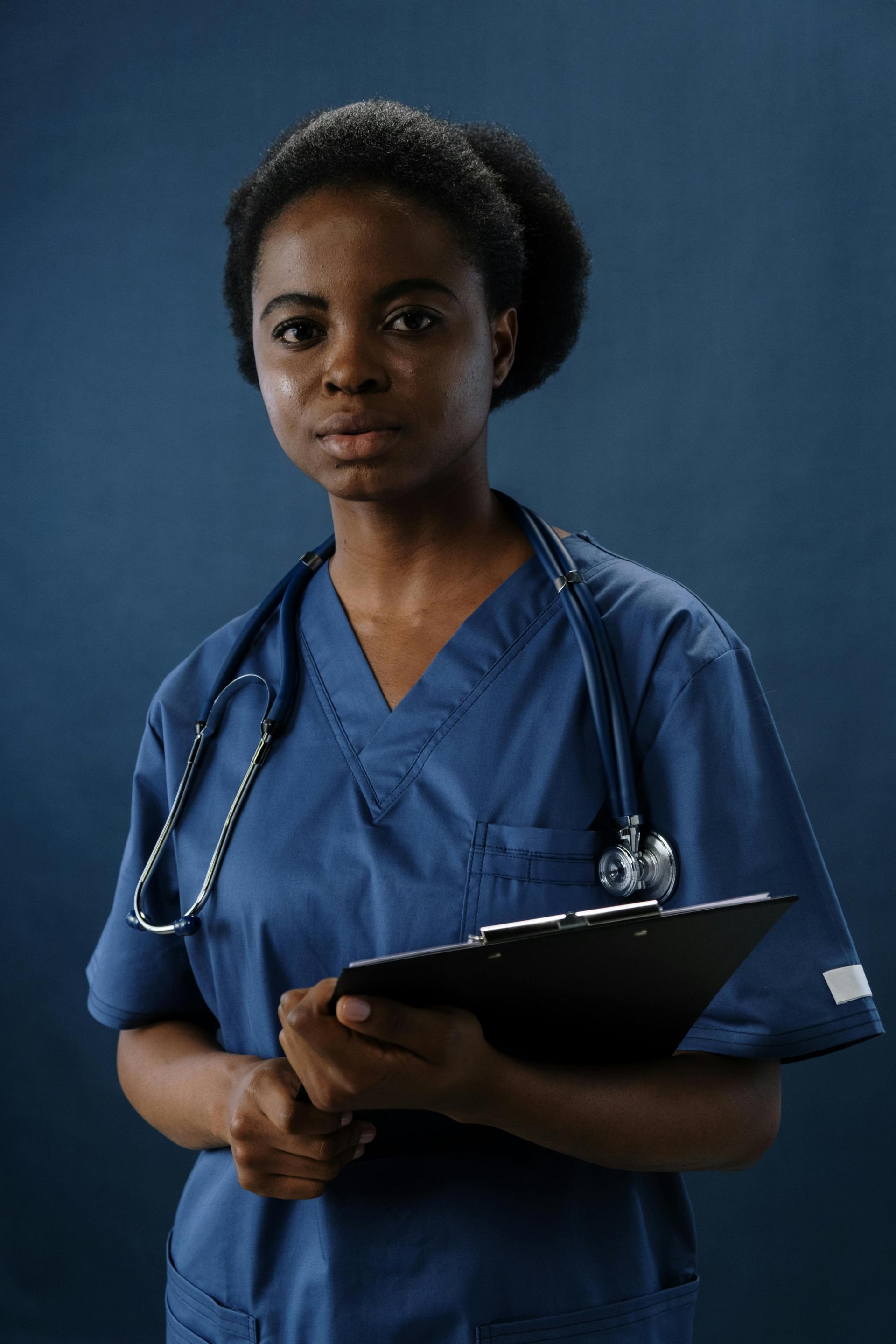
The patient turned her face to the wall and asked for a different nurse. Judy Mwangi had introduced herself the way she always does: name first, role next, the small smile she has trained into routine across more than a decade of American ward work. The request, when it came, was unmistakable. She wanted someone else. She wanted, the patient said, the white nurse.
Mwangi has carried that scene, and many like it, through a career that took her from Kenya to a long stretch inside the United States healthcare system. This week she spoke publicly about what those years have asked of her, telling Kenyan diaspora outlet Mwakilishi that the bias Black medical workers in America face is not the occasional shock she once braced for, but a low and steady weather she has learned to dress for.
The Decade Behind the Decision to Speak
Mwangi is not a household name. She is one of thousands of Kenyan-trained nurses who left Nairobi, Eldoret, Mombasa and smaller towns for hospital floors in Maryland, Texas, Georgia and Minnesota. The path is well worn. A relative sponsors the move, an agency arranges the licensing exams, the first job is night shifts on a unit nobody else wants. Mwangi has worked the American system, by her own account, for more than ten years.
Her decision to talk now, in the interview reported by Mwakilishi, sits inside a wider mood. The Kenyan diaspora in the United States has spent recent weeks absorbing news of vigils and funerals, immigration crackdowns and visa anxieties. Workplace racism does not arrive in those headlines with the same urgency. It rarely does. Mwangi's testimony nudges it back into the conversation by naming what so many of her peers describe privately: a doubting glance from a colleague, a chart re-read by a junior nurse, a family member who pauses before signing a consent form.
"There have been numerous situations where I've felt that my capabilities were doubted simply because of my skin color," she told the outlet.
A Pattern, Not an Anomaly
The numbers around Mwangi's experience have been studied for years, even if the diaspora seldom hears them recited. Mwakilishi, citing a 2025 American Medical Association report, notes that Black doctors and nurses remain a small share of the American medical workforce, well below the share of Black Americans in the wider population. Industry studies in earlier years have reached similar conclusions, with under-representation showing up most starkly in senior nursing roles, hospital leadership and academic medicine.
The texture of the bias, in Mwangi's account, is not always the dramatic incident. It is the patient who insists, politely, on someone else. It is the supervisor who asks her to repeat herself when a white colleague did not have to. It is the patient family who searches her badge for credentials they would not have questioned on another nurse. The dramatic moments stick because they are easier to describe. The day-in, day-out friction is harder to capture in a quote, which is exactly why most accounts of it never reach the page.
For African-born medical workers, the dynamic carries an extra fold. Accent, name pronunciation and the politics of immigration paperwork can all become part of how a colleague reads competence. Mwangi did not single out African workers in her remarks, but the diaspora reading her interview filled in that gap on its own.
What the Diaspora Knows but Rarely Says
In WhatsApp groups across Kenyan nursing communities in the United States, the response to Mwangi's interview has been quiet recognition rather than surprise. Several members of these communities have spoken in recent years about a culture of silence around workplace bias, a silence shaped by visa precarity, by debt obligations back home and by an understandable reluctance to be cast as the person who complains.
Many Kenyan nurses entered the United States on employer-sponsored or family-based pathways that make the job and the legal status feel inseparable. A formal complaint is not just a workplace move; it can be experienced as a risk to a green card timeline, to a sponsorship, to the remittance chain that pays a parent's rent in Kakamega or a child's fees in Nakuru. That economic reality does not cause the bias, but it routinely keeps it underground.
Mwangi's willingness to speak by name will not, on its own, change that calculus. But it puts a Kenyan face on a story too often told only in aggregate statistics, and that, by itself, is an opening.
The Limits of Policies on Paper
Mwangi was careful, in the interview, to acknowledge that many American hospitals have written commitments to diversity and inclusion. Her objection is not that the documents are missing but that the culture beneath them has not moved at the same pace.
"It's not enough to have policies on paper," she said. "There needs to be a cultural shift within these institutions."
That distinction will land for many Kenyans in the United States, who have watched corporate diversity programs expand and contract through several political seasons. Mwakilishi notes that advocacy groups such as the National Black Nurses Association and Black Doctors of America have long pressed the industry to follow its statements with structural change, including in hiring committees, promotion ladders and mentorship pipelines. Those groups operate in spaces where African-born and African-American workers often share a frontline experience even when their political affiliations diverge.
For Kenyan nurses in particular, the question is whether the next decade looks like Mwangi's last one, or whether the cultural shift she is asking for begins to show up in concrete ways: representation on the floor, in the charge nurse role, in the director-of-nursing office.
Why Patients Lose Too
Mwangi closed her remarks with a point that did not centre on her own bruises. She told Mwakilishi that the bias is not just an injury to the workers who carry it, but a drag on the care that patients receive. "It's important for people to understand that these biases not only affect us as professionals but also the quality of care that patients receive," she said.
That observation is consistent with a broader body of US research that has tracked how representation in healthcare correlates with outcomes for patients of colour, particularly in maternal health, pain management and chronic disease. When a workforce does not look like the population it serves, the system pays a price its scoreboards rarely capture.
The Quiet Power of Naming It
Mwangi's interview will not reshape American hospitals on its own, and she did not claim it would. What it does, on the day after the holiday weekend, is name a thing many Kenyans in the United States carry privately to and from work. It tells a nurse in a Houston ICU that she did not imagine the second glance she got this morning. It tells a paediatric nurse in Atlanta that the discomfort she felt at her last review is shared. It tells the diaspora as a whole that the cost of an American career is rarely only the cost of the visa.
For Mwangi herself, the conversation now moves back to the unit, the chart, the next shift. The patient who asked for the white nurse is, somewhere, still in her memory. But she has, at last, said the part out loud.