Cheaper on Paper, Dearer at the Duka: What Kenya's June Inflation Numbers Mean for the Money Sent Home
Kenya's inflation eased to 6.4 percent in June — but unga, milk, sugar and sukuma wiki all cost more. For diaspora families funding the weekly shop from abroad, the relief is real but uneven.
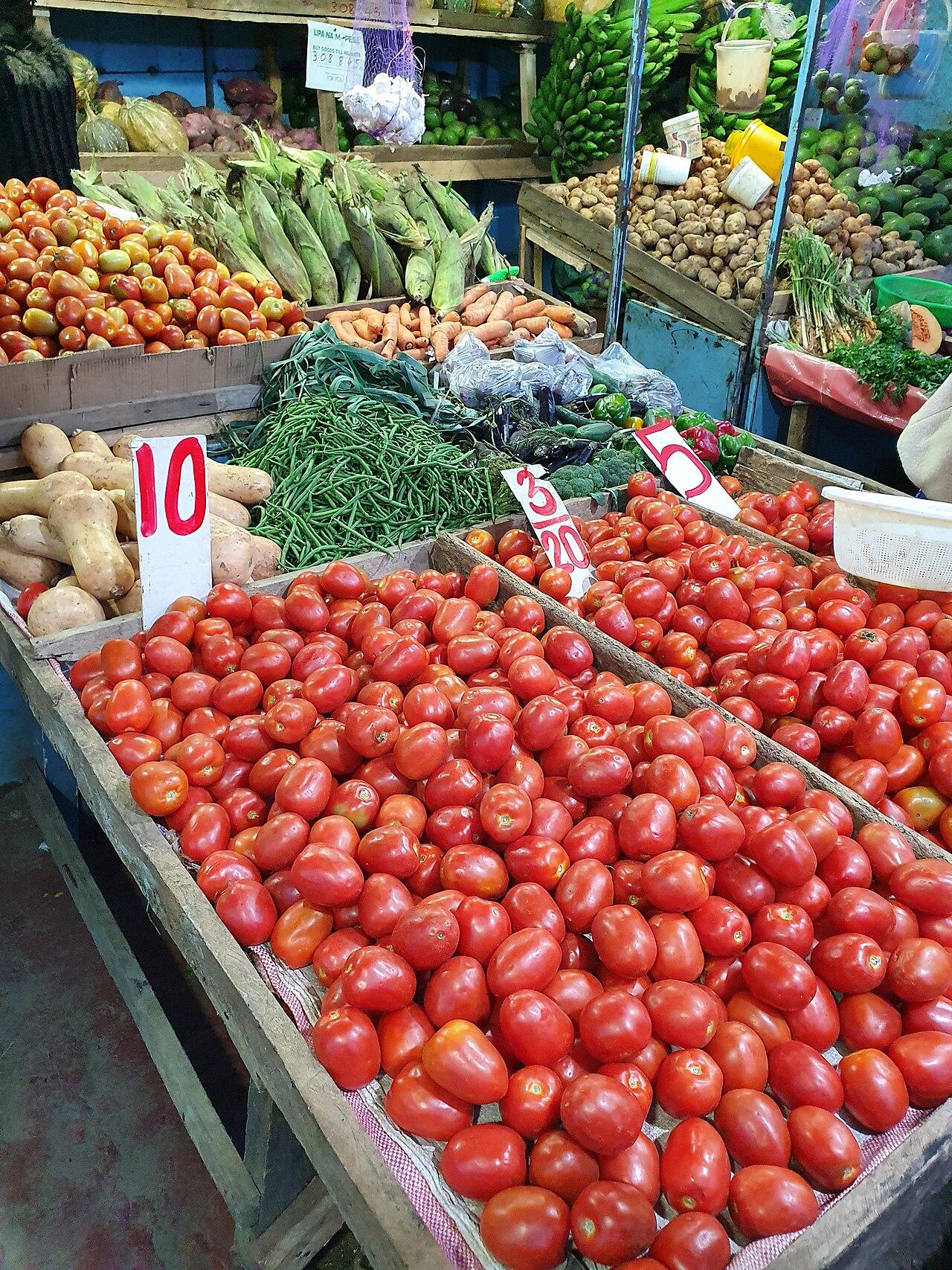
The Friday-morning ritual is the same in Kayole as it is in a hundred estates across Nairobi. A phone pings with an M-Pesa confirmation — money sent from a night shift in Texas, a care-home rota in Luton, a construction site in Doha — and someone's mother or sister walks to the corner stall to turn those digits into food. In June, that walk got slightly cheaper on some counts and quietly more expensive on the ones that matter most: the flour, the milk, the sugar and the greens that anchor the Kenyan table.
That is the fine print behind an otherwise encouraging headline. On Wednesday, the Kenya National Bureau of Statistics released its June Consumer Price Index, showing annual inflation easing to 6.4 percent, down from 6.7 percent in May — the first slowdown in the overall rate since February. For the millions of Kenyans abroad whose remittances underwrite household budgets back home, the number is worth reading twice. It says prices are rising more slowly. It does not say the basket got cheaper.
The Number That Cooled
The KNBS data, first reported in detail by TUKO.co.ke and Capital FM, shows consumer prices rose just 0.2 percent between May and June — a sharp deceleration from the 1.6 percent monthly jump recorded a month earlier. Over the full year, prices in the food and non-alcoholic beverages category climbed 8.6 percent, down from 9.4 percent in May. Transport, the other heavyweight in household spending, rose 16.1 percent year on year, easing slightly from 16.5 percent. Housing, water, electricity and cooking fuels rose a comparatively gentle 3.4 percent.
The moderation was driven overwhelmingly by energy. In Nairobi, a litre of diesel dropped from KSh 232.86 to KSh 222.86 over the month — a full ten-shilling fall — while petrol edged down from KSh 214.25 to KSh 214.03. A household consuming 200 kilowatt-hours of electricity paid roughly KSh 59 less than in May. Cheaper fuel eventually feeds into cheaper transport and cheaper goods, but that transmission takes months, not weeks.
What Got Cheaper, and What Didn't
Zoom in on the market stall, and the picture splits in two. Beans eased from KSh 181.83 to KSh 180.91 a kilo. Tomatoes fell from KSh 120.75 to KSh 117.87. Irish potatoes held almost perfectly flat at just over KSh 111.
But the staples that define the daily Kenyan meal moved the other way. Maize grain — the raw material of ugali — climbed from KSh 71.69 to KSh 72.52 a kilo. Fresh unpackaged milk rose from KSh 72.72 to KSh 73.19 a litre. Sugar went from KSh 165.66 to KSh 166.62 a kilo. Sukuma wiki, the workhorse green whose name literally promises to "push the week," jumped from KSh 110.07 to KSh 114.44 a kilo — the sharpest rise on the list. Cooking oil, already painful at KSh 355.79 a litre, nudged up to KSh 358.63.
None of these moves is dramatic on its own. Together, they explain why a statistical improvement can coexist with the feeling, repeated in family phone calls across the diaspora, that the money sent home does not stretch the way it did.
The Remittance Math
For the sender abroad, the June numbers are best understood as a budgeting exercise. A KSh 10,000 monthly transfer earmarked for food buys essentially the same volume of beans and tomatoes as it did in May — and slightly less ugali, milk, sugar and greens. Food inflation of 8.6 percent year on year means the same shopping list costs nearly a tenth more than it did last June, even after the recent cooling.
Kenya's diaspora sends home roughly five billion US dollars a year, a flow that has become one of the country's largest sources of foreign exchange and, at household level, the difference between managing and going without. Central Bank of Kenya data shows the geography of that lifeline shifting — the United States now dominates, Germany has climbed the table, and Gulf states such as Saudi Arabia, Qatar and the UAE contribute a fast-growing share as labour migration reshapes where Kenyans work. What has not shifted is what the money is for. Survey after survey finds food and daily upkeep at the top of the list, ahead of school fees, medical costs and construction.
That is why a CPI release lands differently in Eastleigh than it does in a dealing room. For bond traders, 6.4 percent is a data point that nudges expectations about the central bank's next rate decision. For a nurse in Minnesota supporting a household in Kisii, it is the difference between topping up the monthly transfer or holding the line.
Fuel Fell, Food Didn't
The awkward truth inside the June print is that the relief came almost entirely from the pump and the meter, not the plate. Energy prices are set in a global market and passed through by the regulator's monthly reviews; when crude softens, Kenyan motorists feel it within weeks. Food prices answer to a different master — rainfall, harvest cycles, input costs and the long chain of brokers between farm and stall.
Transport costs still standing 16.1 percent above last year's level matter for food, too, since nearly everything on a Nairobi stall travelled there by road. If diesel's ten-shilling drop holds through July and August, some of that saving should eventually show up in cabbage and maize prices. The June data captures the start of that process, not its conclusion.
What to Watch From Abroad
Three markers are worth following for anyone budgeting remittances from overseas. First, whether the monthly food-price creep in staples continues into the July CPI release, or whether the fuel-led cooling finally reaches the market stall. Second, the central bank's reaction: headline inflation at 6.4 percent remains inside Kenya's official target band, but toward its upper reaches, which shapes how policymakers weigh rate cuts that would affect the shilling — and with it, the value of every dollar, pound and riyal converted at the till. Third, the school-fees season and end-of-year festivities, which reliably concentrate diaspora sending and collide with whatever prices are doing by then.
The June numbers, in the end, tell a story the diaspora already knows from experience: averages soothe, baskets bite. Inflation is cooling. The cost of the Kenyan table is still climbing — just more slowly, and unevenly, one shilling at a time.