Boots Before the Verdict: How American Troops Reached Laikipia While Kenya's Court Still Weighs the Ebola Base
U.S. military specialists have arrived at Laikipia Air Base to build an Ebola isolation unit for Americans, even as a High Court order halting the project still stands and protests simmer.
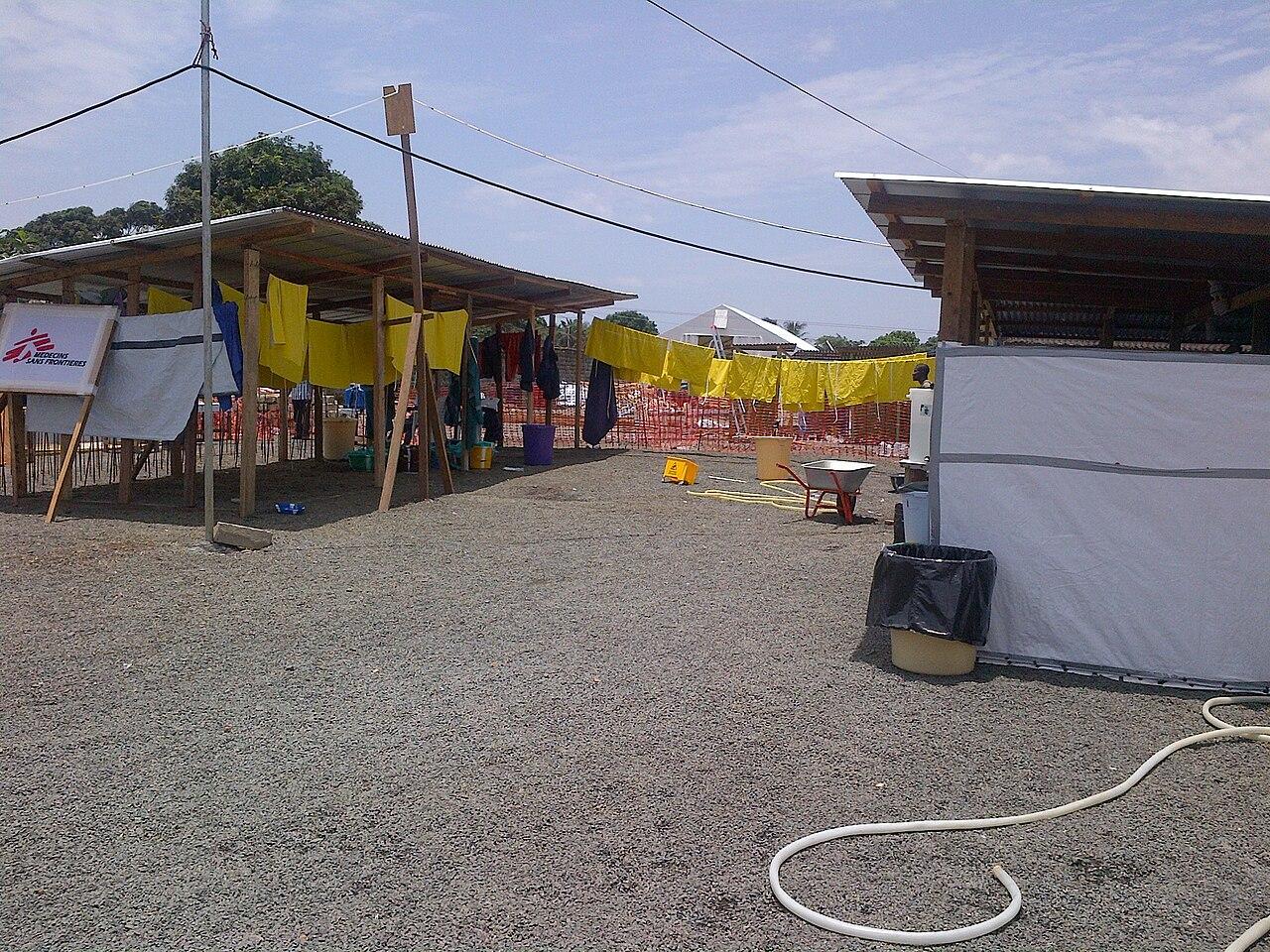
In the dry highlands north of Mount Kenya, a cluster of tents has gone up on the edge of an air base that most Kenyans had never heard of a month ago. A Reuters satellite image taken on June 4 showed the pale canvas and a scatter of vehicles parked on the red earth of Laikipia. For a fortnight the site sat in legal limbo, frozen by a court order. Then, on Friday, came the detail that turned a domestic controversy into a question about who decides what happens on Kenyan soil: American soldiers had arrived to build it.
The United States has dispatched military personnel to Laikipia Air Base to help construct and run a temporary Ebola isolation facility, the U.S. State Department confirmed to the military newspaper Stars and Stripes. The deployment went ahead even though Kenya's High Court has temporarily barred any construction or operation of the unit, and even though the government in Nairobi said only a day earlier that work had been paused to respect that order. For the millions of Kenyans who follow home from abroad, it is a story that lands somewhere between a public-health bulletin and a sovereignty alarm.
What the Troops Were Sent to Do
The personnel fall under U.S. Africa Command, or AFRICOM, and the State Department was careful to frame their role narrowly. "Personnel include medical, engineer, communications, security and contract planners," an official said in an emailed statement, declining to say how many service members are involved. The military, the statement stressed, "will not provide any frontline medical care," and is instead lending what it called rapid-response logistics to support other U.S. government agencies.
"AFRICOM is not involved in other activities regarding Ebola, however the command remains postured to support tasking if and when directed," the official added. The effort is one piece of a roughly $220 million whole-of-government response led by the State Department, which separately announced $50 million in funding to the Coalition for Epidemic Preparedness Innovations to develop medical countermeasures against the strain now circulating. The isolation unit itself, budgeted at about 1.7 billion Kenyan shillings, is designed to hold 50 beds.
A Facility Built for Americans
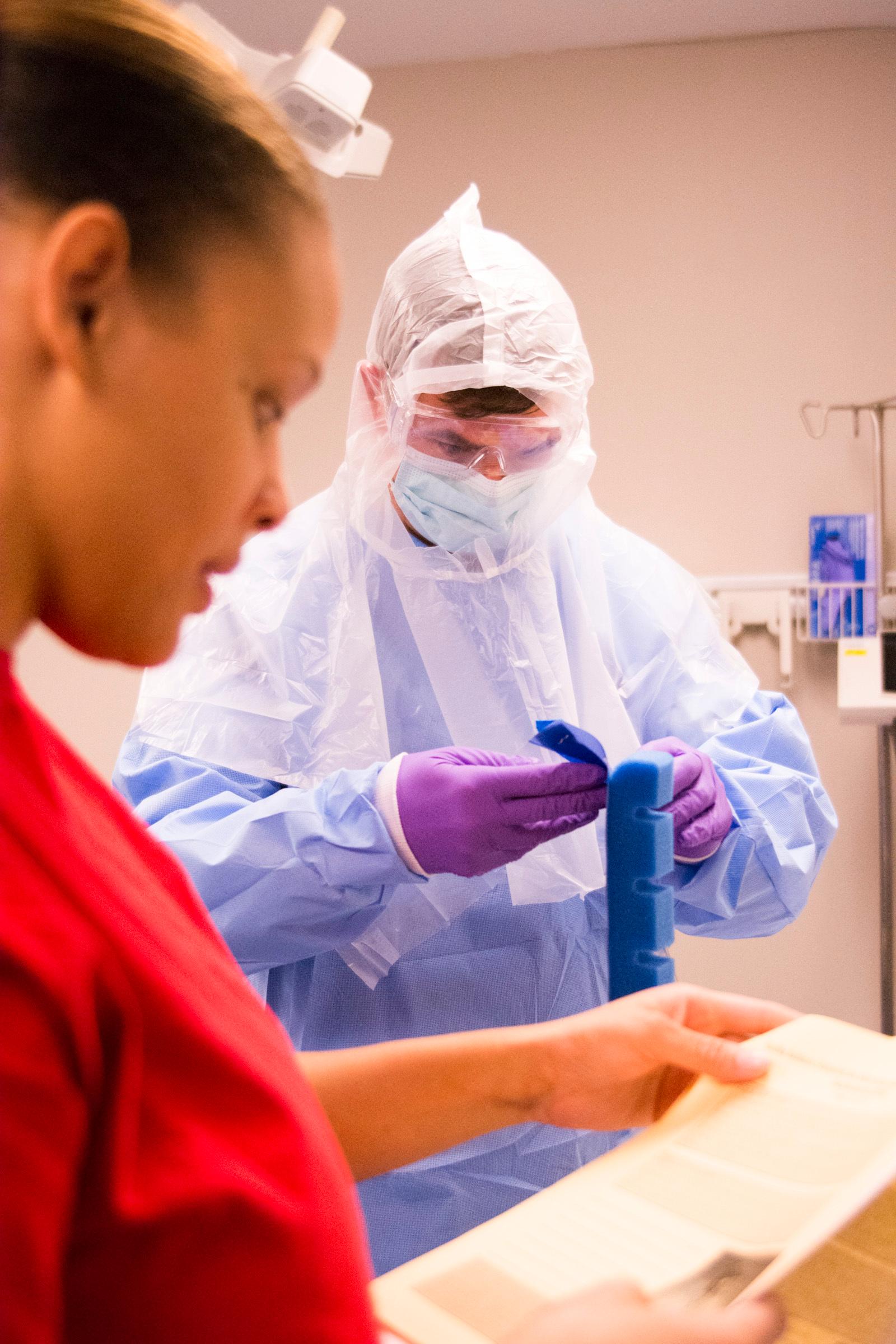
The detail that has unsettled many Kenyans is not the price tag but the purpose. By the plan's own description, the bio-isolation unit exists to triage, isolate and monitor American citizens — aid workers, health officials and military personnel — who might be exposed to Ebola while working on the outbreak in the region. The New York Times reported midweek that, according to State Department officials, the arrangement called for transporting exposed Americans to the Kenyan facility before they returned home.
Washington's embassy in Nairobi has cast the project as a regional good rather than a one-way favor. The unit, it said in a statement last week, is "part of a holistic response to prevent spread of the disease and lessen health risks for the region as a whole." Expanding capacity to isolate and test asymptomatic people, "including Americans working on the response effort, will enhance Kenya's readiness and preserve Kenya's existing clinical resources to assist Kenyan citizens," the embassy argued. To supporters, that is a fair trade: foreign money and expertise build infrastructure a strained health system could not afford on its own.
The Court, the Petition and the Streets
To critics, the sequence looks reversed — soldiers first, scrutiny later. The conservatory orders freezing the project were granted after the Katiba Institute, a constitutional rights group, petitioned the High Court, arguing the Kenya–U.S. agreement was negotiated in secrecy and without the public participation the constitution requires. The court did not merely pause construction; it explicitly barred the entry of any Ebola-exposed individuals into Kenya under the arrangement while the case proceeds. That case is due back before the court for mention on Tuesday, June 16.
The opposition has not stayed inside the courtroom. Demonstrations have flared in nearby Nanyuki, and earlier protests over the facility turned deadly, with one person killed during unrest this month. Health Cabinet Secretary Aden Duale has defended the plan, telling reporters it would help protect Kenyan soldiers serving alongside Americans in the Democratic Republic of Congo, while confirming on Friday that further building had been halted to comply with the court. The result is an awkward tableau: a minister insisting the project is paused, and an allied military quietly moving people and equipment onto the base.
Why the Diaspora Is Watching So Closely
For Kenyans in Atlanta, Dallas, London or Doha, the Laikipia story touches a nerve that pure epidemiology does not. It revives a familiar question about the terms on which powerful partners operate inside their home country — who is consulted, who benefits first, and what gets decided behind closed doors. A facility conceived chiefly to safeguard American citizens, erected by American troops on a Kenyan air base over a standing court order, is the kind of arrangement that diaspora WhatsApp groups dissect line by line.
There is precedent that cuts both ways. AFRICOM points to Operation United Assistance, the 2014 mission in which roughly 3,000 U.S. troops, including soldiers from the 101st Airborne Division, deployed to West Africa to build treatment centers and move supplies during that era's Ebola epidemic — a deployment widely credited with helping blunt the outbreak. Whether Laikipia becomes a comparable story of partnership or a cautionary tale about consent depends largely on what the judges, and the public, decide in the coming weeks.
The Outbreak Driving the Decision
Behind the politics sits a genuine and worsening emergency. International health agencies are battling a major Ebola outbreak in the Democratic Republic of Congo, where more than 600 people have died since May, according to the U.S. Centers for Disease Control and Prevention. The virus has crossed into Uganda, killing at least 19 people as of Friday. Ebola spreads through contact with the bodily fluids of the infected and can be brutally lethal; the World Health Organization notes that some outbreaks have killed more than half of those they reach.
Kenya, for its part, has recorded no confirmed cases. Authorities say they have screened tens of thousands of travelers at airports, border posts and seaports and remain on high alert. That clean record is precisely what many Kenyans fear losing — and why a plan to fly in people deliberately exposed to the virus, however carefully managed, strikes such a raw chord. The same outbreak has already rippled outward to the diaspora in other ways, from Israel's new travel ban on several African nations to the enhanced screening U.S. citizens now face when returning from affected areas.
What Tuesday May Settle
For now, the tents stand and the troops are in place, but the legal foundation beneath them is unresolved. Tuesday's hearing will test whether the courts treat the deployment as a fait accompli or as evidence that the project outran its own legal process. Either way, the episode has reframed a question that will outlast this outbreak: when a global power and a willing government agree on something quickly, who gets to slow it down long enough to ask why. For a diaspora that built its life on the movement of people across borders, the answer at Laikipia will be read closely, and remembered.