US Immigrant Visa Freeze Hits Ghana and 26 African Nations Despite Deportation Cooperation
Twenty-seven African nations, including Ghana, Nigeria, and Ethiopia, have been swept into the Trump administration's freeze on immigrant visa issuances affecting 75 countries, despite many African governments' cooperati
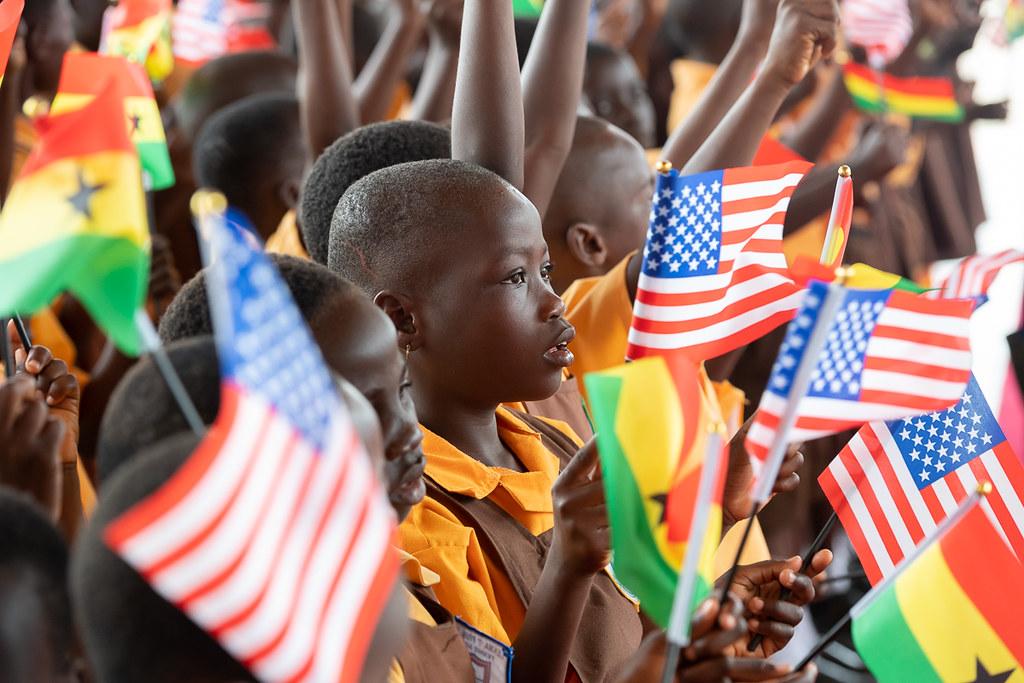
Twenty-seven African nations, including Ghana, Nigeria, Ethiopia, Somalia, and South Sudan, have been swept into the Trump administration's new freeze on immigrant visa issuances—a policy Washington says targets countries "whose migrants take welfare from the American people at unacceptable rates"—even as many of those same governments have quietly deepened cooperation with US deportation operations.
Effective January 21, 2026, the US Department of State paused all immigrant visa issuances to nationals of 75 countries, citing concerns about applicants' likelihood of relying on public benefits under a "public charge" assessment. The freeze affects only immigrant visas—the pathway to green cards and permanent residency—not tourist, student, or most work visas such as H-1B and L-1. African countries make up more than one-third of the list.
For Ghana, the inclusion is especially jarring. The West African nation has been a willing partner in Washington's deportation agenda, taking in planeloads of people expelled from the US under deals that lawyers and rights groups say stretched the limits of Ghana's own laws. Some deportees were not even Ghanaian nationals but were sent to Accra as a transit hub before being pushed onward to countries they once fled.
"America Is a Bully That Is Never Satisfied"
"America is a bully that is never satisfied," said Oliver Barker-Vormawor, a Ghanaian activist and lawyer, in an interview with *Capital B News*. "Ghana's inclusion is especially jarring given its deepening cooperation with Washington on deportations and border enforcement. Those deals effectively turned Ghana into a conveyor belt for US removals as deportees arrived in shackles, disappeared into unsafe facilities, and in some cases were pushed onward to countries they once fled."
At the same time, Ghana's government has been actively courting diaspora investment and tourism through campaigns like the "Year of Return" and "Beyond Return," which granted citizenship to 524 African diaspora descendants in January 2025. The policy whiplash has left many Ghanaians confused and angry.
For William Yirenkyi, a Ghanaian man who had been planning to migrate to the US because of police abuse in Ghana, the ban is both scary and disorienting. "What makes it worse is how unclear it is," he told *Capital B* via WhatsApp. "For many intended immigrants from developing countries, this has real-life implications. Families are separated, livelihoods are disrupted, and all of this is happening through administrative decisions with little public debate."
The 75-Country List and the Public Charge Rule
The January 21 freeze applies to nationals of 75 countries, including Afghanistan, Albania, Algeria, Bangladesh, Brazil, Cameroon, Colombia, Congo (both DRC and Republic), Egypt, Eritrea, Ethiopia, Ghana, Haiti, Jamaica, Jordan, Kenya (not explicitly named but referenced in related travel bans), Lebanon, Liberia, Morocco, Nepal, Nicaragua, Nigeria, Pakistan, Russia, Rwanda, Sierra Leone, Somalia, South Sudan, Sudan, Syria, and Uganda, among others.
According to the State Department, applicants from these countries may still submit visa applications and attend consular interviews, and embassies will continue to schedule appointments—but final visa issuance is frozen pending a "full review of all screening and vetting policies to ensure that immigrants from high-risk countries do not unlawfully utilise welfare in the United States or become a public charge."
Dual nationals using a passport from a country not on the list may be exempt. Children being adopted by American families can qualify for case-by-case exceptions under National Interest waivers.
The federal government did not specify the percentage of immigrants from the affected countries who use public assistance, and immigrants' rights groups have challenged the premise. Undocumented immigrants do not have access to social programs like food assistance (SNAP) or Medicaid, though some legal immigrants or US citizens in mixed-status households can access them. The new public charge rule weighs whether an applicant would *ever* need to use social safety net programs, using that determination as a negative factor in visa adjudication.
Deportations from Africa Triple Under Trump
The visa freeze comes amid a broader crackdown on African migrants already in the US. According to a *Capital B* analysis of US Immigration and Customs Enforcement (ICE) data, deportations of people from African countries roughly tripled in 2025 compared with the annual average during the Biden administration. Immigration-related arrests of African-born migrants more than doubled, despite less than 40% of those arrested having a criminal record.
Last year, the Trump administration also expanded travel restrictions affecting 39 countries under Presidential Proclamation 10998, which took effect January 1, 2026. That separate measure suspends or limits entry and visa issuance based on national security concerns. Ghana, Nigeria, Ethiopia, South Sudan, and Somalia appear on both lists—the 39-country travel ban and the 75-country immigrant visa freeze.
The double whammy has left African diaspora communities reeling. "The correct response now for us is to impose reciprocal bans," Barker-Vormawor said, urging African governments to retaliate with their own visa restrictions on Americans.
Ghana's Deportation Deal and the Mixed Messages
Ghana's cooperation with Washington predates the current administration. In recent months, Ghana quietly agreed to help solve US deportation headaches by accepting planeloads of expelled individuals, including some non-Ghanaians, under arrangements that human rights lawyers say went beyond Ghana's legal obligations. Deportees have arrived at Kotoka International Airport in Accra in shackles, with little notice to families and minimal reintegration support.
The deals came as Ghana was simultaneously inviting diaspora Ghanaians and African descendants to "return" through citizenship programmes. In January 2025, 524 members of the African diaspora were granted Ghanaian citizenship—the third such event under President Nana Akufo-Addo's administration. The "Beyond Return" programme (2020–2030) offers a streamlined naturalisation pathway for people of African descent, with applicants required to demonstrate good character, English or Ghanaian language proficiency, and integration into Ghanaian society.
Critics say the contradiction is stark: Ghana opens its doors to diaspora investment and "homecoming" while serving as a deportation hub for the US—and is then rewarded with a visa freeze that punishes ordinary Ghanaians seeking family reunification or work opportunities in America.
What the Freeze Means in Practice
Applicants who are subject to the freeze may still apply and attend interviews, but they will not receive their visas until the policy is lifted. For many, this means prolonged family separation, stalled education or job opportunities, and sunk costs in non-refundable visa fees and travel. The State Department has not announced a timeline for when the review will conclude or the freeze will be lifted.
The visa suspension does not affect nonimmigrant visas—tourist (B1/B2), student (F/M), or most work visas. However, separate policies introduced in 2025 and 2026 have expanded social media vetting for visa applicants from certain categories, including K-1 fiancé(e) visas, H-1B workers and dependents, and student visas, adding months to processing times.
For Ghanaians and other Africans already navigating expensive, opaque visa processes with high rejection rates, the freeze is yet another barrier. According to a January 2026 report by *Capital B*, African governments say the freeze is landing on a continent already bearing the brunt of Washington's harder line on migration and security.
What to Watch Next
The State Department has not announced an end date for the immigrant visa freeze or published criteria for lifting it. Advocates are watching for court challenges—several immigration advocacy groups have filed lawsuits arguing the public charge rule exceeds executive authority and violates due process. Federal courts blocked similar Trump-era immigration measures during his first term, including efforts to restrict birthright citizenship.
Meanwhile, African governments face a political dilemma: continue cooperating with US deportation demands in hopes of future policy relief, or impose reciprocal restrictions and risk further diplomatic and economic consequences. Ghana, Nigeria, and other affected countries have not yet announced retaliatory measures, but diaspora communities and civil society groups are calling for action.
For now, hundreds of thousands of African immigrants in the US visa pipeline remain in limbo—able to interview, unable to enter—while the remittances, family ties, and professional networks that bind Africa to America hang in the balance.
Reporting drawn from Capital B News, US Department of State, US Embassy Kenya, Axios, Discus Holdings.