Two Coffins to Zurich: How an Entebbe Murder and a Ten-Month Court Battle Sent the Mutaaga Family Back Abroad to Bury Their Parents
Ten months after they were killed inside their Entebbe home, David and Florence Mutaaga were laid to rest in a Swiss cemetery — and African diaspora families noticed where their children chose to send them.
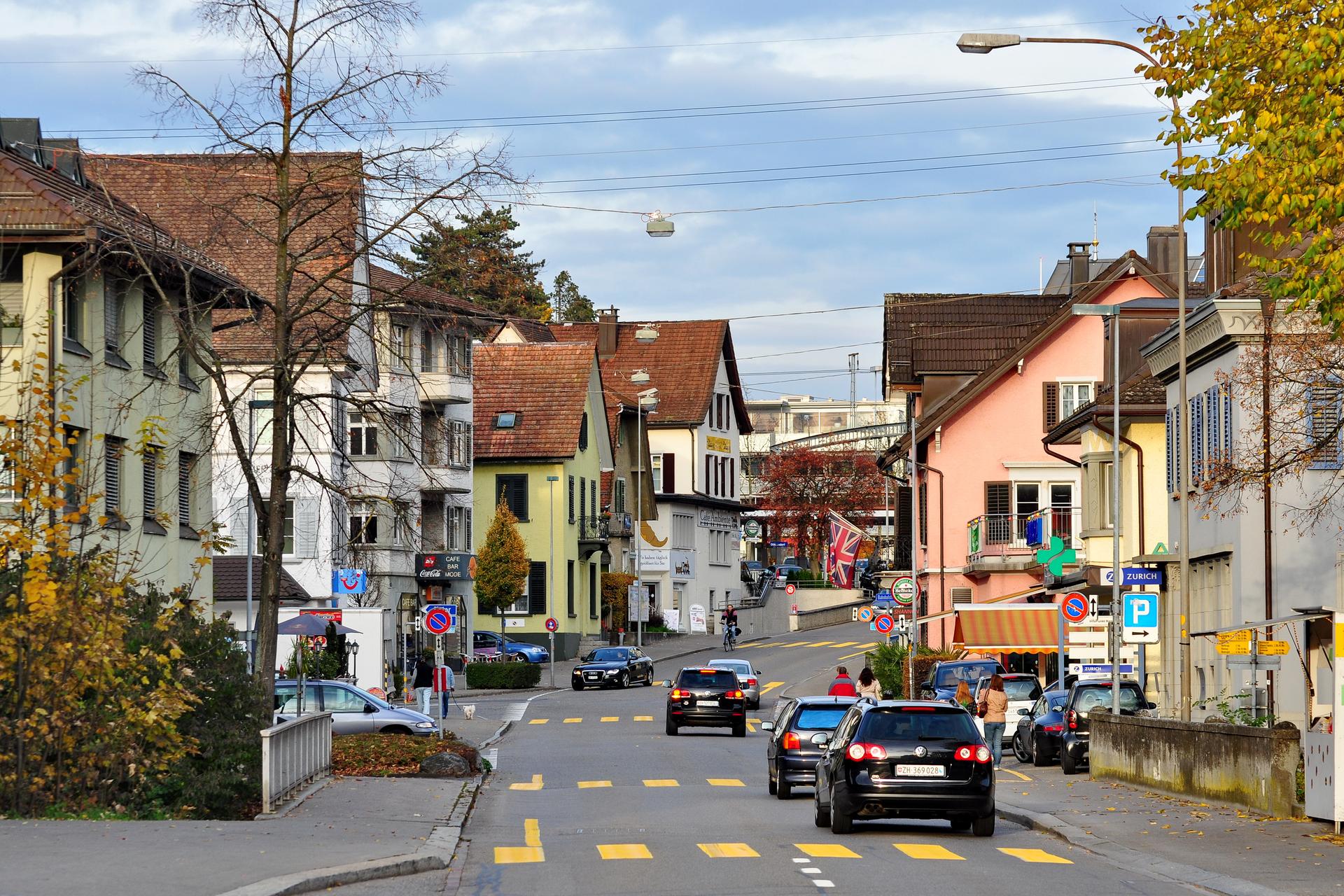
At Dubendorf Cemetery on the eastern edge of Zurich last week, two coffins were lowered into Swiss soil after a journey that had taken nearly ten months. The mourners standing beside them did not look like a Ugandan funeral party. Most had been born in Switzerland or arrived as children in the 1990s. They spoke Swiss German to the priest, and Luganda only to each other. The parents they had come to bury, David and Florence Mutaaga, had themselves been Ugandan citizens for longer than anyone in the family. Yet here the burial was happening — not in Entebbe, not in the family land in Buganda, but in the quiet, ordered cemetery of a town the couple had left less than three years ago when they retired home.
The Mutaagas were murdered inside their own home in Lugonjo, in Entebbe's Nakiwogo Cell, on the night of 6 July 2025. David was 69. Florence was 62. They had spent more than three decades in Zurich, raised their children there, retired with Swiss pensions, then made the choice that an entire generation of African diaspora families now turn over in their heads: to go home. Less than three years later, both were dead, and their adult children were doing something no Ugandan elder in the village would have imagined a generation ago. They were repatriating the bodies away from Uganda, not toward it.
A Retirement Cut Short in Lugonjo
The killings shocked Entebbe. According to Ugandan police accounts widely reported at the time, the couple were attacked at night by unknown assailants. Two casual labourers who had been working at the home were detained to assist with inquiries. Several intelligence agencies were drawn into the case. Detectives were said to be examining whether a family inheritance dispute over property David had inherited from his late father might explain the timing of the attack.
Almost a year on, none of those threads has produced a public answer. No charges have been brought against the casual workers or anyone else. Investigators have not stated, publicly, who they believe was responsible or why. The reporting trail — from the early arrests in July 2025 to the new burial coverage this week — runs through a long silence in the middle. For the Mutaaga children, that silence is the part of the story that decided where their parents would lie.
A Court in Kampala, a Cemetery in Zurich
Between the murders and the burial sat a quiet ten-month legal struggle. Bodies in Uganda are normally laid to rest within days. Theirs were held in a funeral home for the better part of a year while the family argued about where the funeral should be held. Cultural expectation in much of Buganda is clear: a man is buried on his ancestral land, near his clan, near the property he leaves behind. The Mutaagas owned land in Uganda. They had inherited more.
Their children, raised in Zurich, did not see that as the obvious choice. According to coverage in Ugandan and Kenyan press, the Swiss-based son sought, and was eventually granted, court authority over the burial arrangements. Earlier reports indicated the court allowed cremation and repatriation of the remains. The legal route resolved a clash between custom and statute in favour of the children, and against tradition. The two coffins flew north.
The Diaspora WhatsApp Is Quiet, Then Loud
In Kenyan, Ugandan, Tanzanian and Rwandan diaspora WhatsApp groups across Europe and North America, the Mutaaga story has been an unusually heavy presence over the past week. The reason is not the gruesomeness of the murder itself, though that is bad enough. It is the burial location. African diaspora families who spend years arguing about whether to retire home are now reading a real, recent case in which the same calculation ended in a verdict that points the opposite way: home was not where the couple ended up resting.
For families considering return migration after careers in Europe, the United States, Canada or Australia, the case lands on top of a stack of half-suppressed worries — security around homes in expanding peri-urban suburbs, the difficulty of integrating into local politics again after decades away, conspicuous spending that draws attention, the gap between the country a parent left and the country they return to. None of that is unique to the Mutaagas. They simply put a name and a date on it.
An Investigation Without Answers
Inside Uganda, the lack of a resolved case is its own slow story. The two casual labourers were arrested in July 2025 but, on the public record, have not been charged with the murders. Investigators have spoken of intelligence-led work and have hinted at the family inheritance angle. Nothing has been confirmed. The Mutaaga children have publicly indicated, through quoted family sources, that fears for their own safety in Uganda influenced both the burial location and how much they were willing to say about ongoing inquiries.
For diaspora readers, that pattern is familiar — and frustrating. Crime cases involving people perceived as wealthy, foreign-affiliated returnees often slow once the initial media flurry passes. The Mutaagas had built that kind of profile by accident, simply by living long enough in Zurich to come home with a Swiss life behind them. Their children have not said publicly that they have given up on Ugandan justice; they have said only that they would feel safer letting their parents rest somewhere else.
A Question for Every Family Planning to Go Home
It is too early to call this a diaspora trend. One case, however brutal, is one case. But it is also exactly the kind of case that diaspora communities reference for years afterwards when the conversation turns to retirement. A 30-year stretch in Zurich, two pensions, a return to a family compound near Lake Victoria, a renovation project, a violent night, and finally a burial in Dubendorf — the whole arc is short enough to be remembered in one paragraph at a Saturday potluck in Texas, in Reading, in Calgary, in Dublin.
For the broader African diaspora, the Mutaaga story is unlikely to change retirement plans on its own. What it does is shift a conversation that, for years, has tilted reflexively toward home. There is a Swiss son who went to court to bring his parents back across a continent for burial. There are two casual labourers whose names have not been cleared and may never be. There is a hole in the public record where a motive should be. And there is a cemetery in Dubendorf where, after ten months, the Mutaaga family finally got to do the one thing they could still control.