The Track Through Ol Kalou: How a Reopened Nairobi-Nyahururu Line Rewrites the Cost of Going Home for Kenya's Nyandarua Diaspora
After 46 years of silence, the Thompson Falls Rail rolled out of Nairobi this week — and for diaspora families upcountry, a KSh 600 ticket just bought back a forgotten road home.
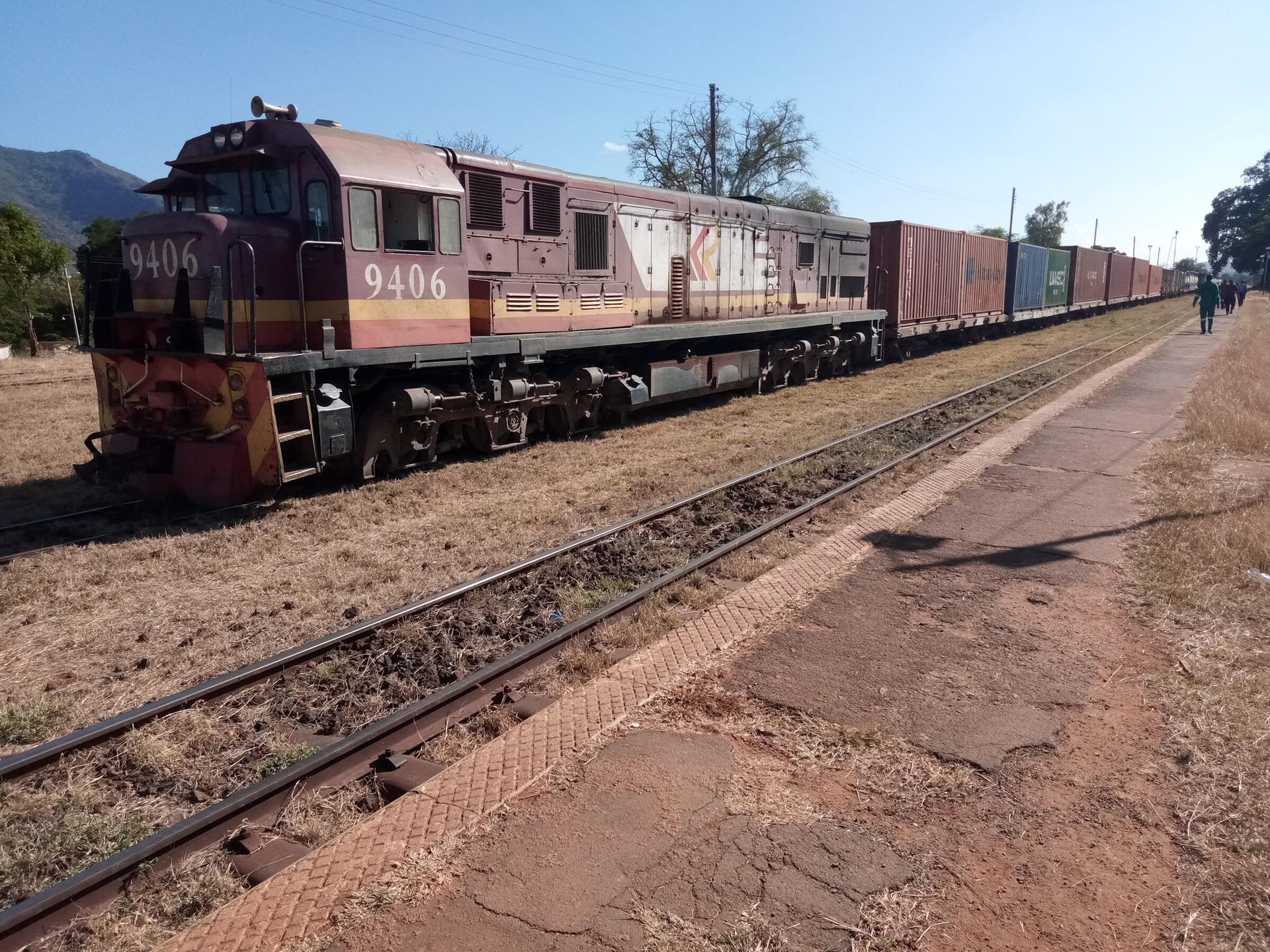
At 10:00 a.m. on Tuesday, the Safari Train pulled out of Nairobi Central Station, turned its nose toward Gilgil, and began climbing into country it had not seen since 1980. For forty-six years the rails through Ol Kalou and Nyahururu had carried weeds, scrap-metal collectors and the occasional wandering cow. This week they carried passengers again — at a fare any matatu would struggle to undercut.
Kenya Railways calls the service the Nyahururu Safari Train. It departs Nairobi every Tuesday and Friday at 10 a.m., reaches Gilgil at 2 p.m., Ol Kalou at 4:15 p.m., and pulls into Nyahururu at 5:50 p.m. The return runs every Wednesday and Sunday. An economy-class ticket from Nairobi to Nyahururu is KSh 600. First class is KSh 1,300. Children between three and eleven travel for half; under-threes ride free.
For diaspora Kenyans whose ancestral homes sit in Nyandarua, Laikipia or the Nakuru highlands, those four numbers — 600, 1,300, two days a week, six hours and fifty minutes — quietly rewrite the arithmetic of an annual trip back.
A line the country forgot
The Nyahururu branch is older than independence. The British built it as the Thompson Falls Rail in the early colonial period, threading north out of Gilgil to serve settler farms, sawmills and the small market town that grew up around the waterfalls. After 1980 the trains stopped. Trucks took the maize and timber. The line went quiet, and Nyahururu — once a destination on the railway map — became a town you reached only by long-distance matatu on the C77 or by private car along the potholed shoulders of the Ol Joro Orok highway.
For a whole generation of Kenyans, the rail through Ol Kalou existed only in memory and old photographs: a steam locomotive on a postcard, a grandfather's story about catching the train down to Nairobi for a wedding. Children born after 1980 had never seen a passenger train enter their county. Tuesday changed that.
A KSh 600 ticket and what it actually buys
The fare structure released by Kenya Railways is striking for how flat it is across short hops and how affordable the full run remains. A first-class seat from Gilgil to Ol Kalou is KSh 200. Ol Kalou to Nyahururu is KSh 150. A first-class ticket across the entire corridor is KSh 1,300 — less than a Bolt ride from Westlands to Jomo Kenyatta International Airport on a busy evening.
The Safari Train is not the Madaraka Express. There is no sleek standard-gauge ride to Mombasa here, no air-conditioned premium carriage. The Nyahururu service runs on the metre-gauge tracks Kenya inherited and only sporadically maintained, and the schedule reflects that: twice a week each way, a single departure, just under seven hours door to door. But for passengers who once paid KSh 800 to KSh 1,200 for a matatu seat that left when full, sometimes hours late, and then squeezed against the door for the last leg into Nyahururu, an economy fare of KSh 600 on a fixed timetable is not a small change. It is a different category of journey.
What it means for a diaspora family planning July
A great deal of Kenyan diaspora travel is not the airport. It is the second leg — the hop from Nairobi to wherever the family compound actually sits. For households rooted in Nyandarua, Laikipia and the western edge of Nakuru, that second leg has long been the loudest source of complaint on diaspora WhatsApp groups: drivers who quote one fare and then collect another; a 5:00 a.m. bus from Machakos Country Bus that breaks down at Naivasha; a hired Toyota Premio that costs more than the international flight if a family of five needs three days of school-visit running.
The Nyahururu Safari Train does not solve that problem in full. It runs only on Tuesdays and Fridays, and it is not yet a daily commuter line. But it offers something the matatu industry has rarely managed: a printed schedule, a published fare and a single ticket from Nairobi that puts a passenger inside Nyandarua County before dinner. For a returning diaspora child carrying a parent's medical kit from Atlanta, or for an aunt picking up nieces from a Naivasha boarding school before driving them up to Nyahururu, the predictability is closer to what Kenyans in Toronto or Manchester already expect from rail.
The price point matters too. Remittances buy a lot in Nyandarua, but they buy less than they did a year ago — the shilling has held against the dollar while local fuel and tolls have crept up. A four-person family trip from Nairobi to Nyahururu by hired car runs comfortably above KSh 8,000 once fuel, parking and a tip are counted. The same family on the Safari Train, two adults and two school-age children in economy, costs about KSh 1,800 one way. That is not a discount. That is a different decision.
Vision 2030, branch lines, and the politics of an Ol Kalou stop
The Nyahururu revival did not arrive in a vacuum. It is the next phase of a broader effort to reactivate the metre-gauge network that was left behind when Kenya poured billions of dollars into the Standard Gauge Railway. The Nairobi–Nanyuki line came back in stages from 2021. Now it is the Gilgil–Nyahururu branch. Officials describe the work as part of Kenya Vision 2030, but the immediate trigger was less abstract: the National Cereals and Produce Board needed to move 396 tonnes of subsidised fertiliser to Ol Kalou and Nyahururu ahead of an upcoming by-election, and the rail line was suddenly the cheapest way to do it. Passenger service followed the freight.
That sequencing — freight first, passengers second — is a useful tell about how the line will be judged. If maize, milk and timber move along it reliably over the next six months, the Tuesday-and-Friday passenger service is likely to grow. If freight stalls, the carriages will too. For diaspora families weighing whether to time a July trip around train days, the honest answer from anyone who has watched Kenyan branch-line revivals before is: book this round, but keep an eye on whether the second round still runs.
A working morning, not a ribbon-cutting
There were no presidential ribbons at the platform on Tuesday. The Kenya Railways announcement landed on social media later in the day, after the train was already in Nyahururu. A few passengers shared photographs of the Aberdares from the carriage window, and a teacher in Ol Kalou posted a video of children waving at the locomotive from the side of the track — many of them watching a passenger train enter their county for the first time in their lives.
For the diaspora reader checking the schedule from Boston or Birmingham, the takeaway is simple. A door that closed in 1980 has been propped open. It may stay open, and it may not. The price of finding out is KSh 600 — and a Tuesday morning at Nairobi Central Station.


