The Title That Wasn't There: How an Auditor's Report Exposes the Land Trap Awaiting Kenya's Diaspora Buyers
Nancy Gathungu's latest audit found the government itself cannot prove ownership of hundreds of parcels. For Kenyans buying land from abroad, the gap is a quiet warning.
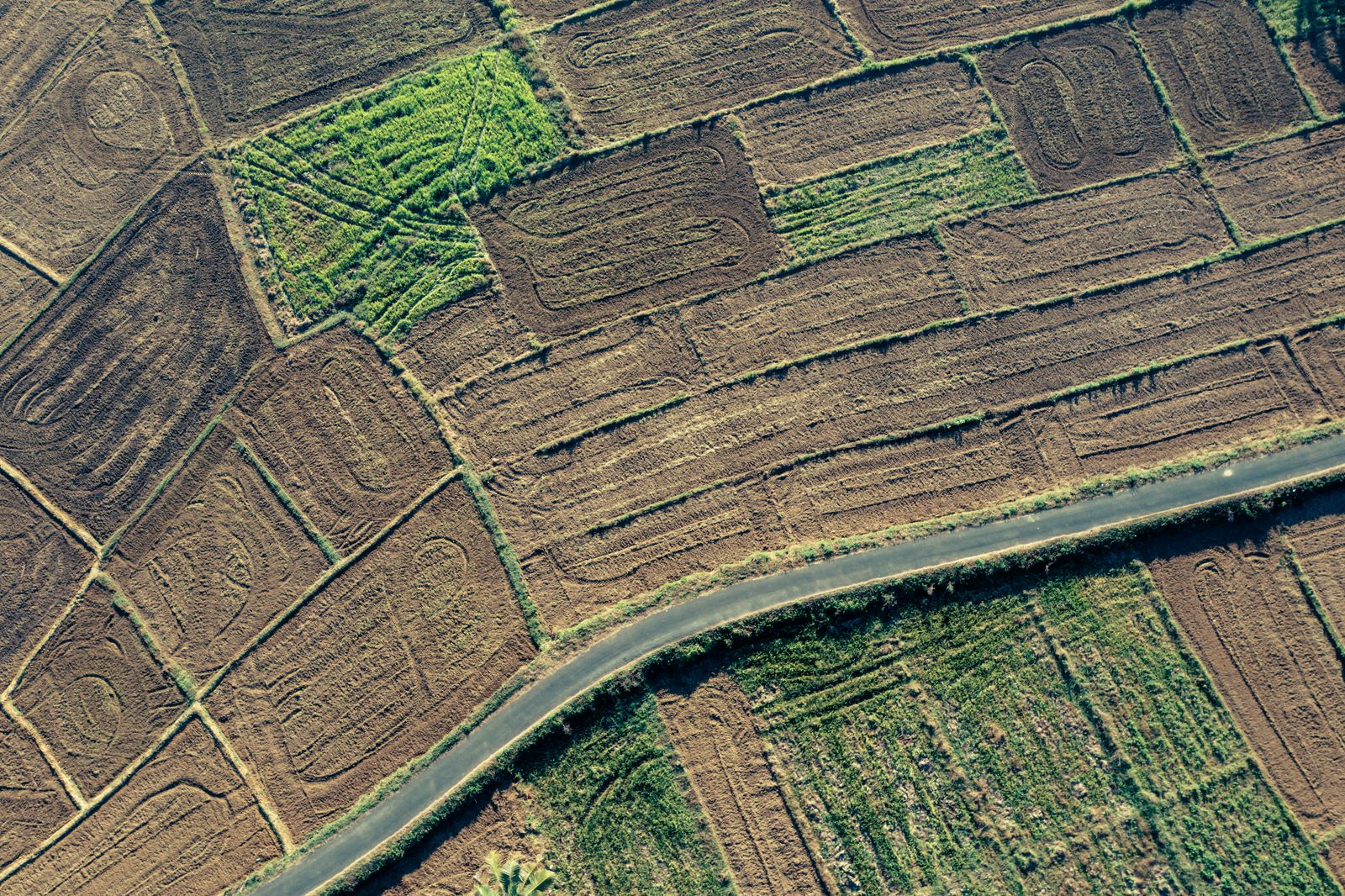
Consider the ritual that plays out in a hundred family WhatsApp groups every week. A Kenyan in Dallas, or Coventry, or Doha, sends money home for a plot of land — the first instalment on a retirement that is still fifteen years away. A cousin walks the ground and films it on a phone. A broker forwards a photograph of a green title deed, crisp and official, the registry stamp clearly visible. The buyer, six time zones removed, never sets foot on the soil and signs nothing in person. The deed looks real.
Sometimes it is. Sometimes the same parcel has already been promised to three other families, each holding a document that looks just as convincing. By the time anyone discovers the overlap, the broker has changed his number and the savings of a decade are gone.
For years that nightmare has been told as a story of bad luck and clever crooks. A report released this week reframes it as something closer to a structural condition — one that begins not with the fraudster, but with the state itself.
A government that cannot find its own deeds
In her latest audit, covering the financial year that ended on 30 June 2025, Auditor-General Nancy Gathungu reported that the Nakuru County government holds no title deeds or allotment letters for hundreds of parcels of land it has administered for years. The Daily Nation, reporting the findings, put the number of undocumented Nakuru parcels at 878, with a combined value running into billions of shillings — land the county uses, leases and builds on, but cannot formally prove it owns.
Nakuru is not an outlier. According to coverage of the same audit cycle, close to twenty counties lack proper ownership documents for land they inherited from the defunct local authorities that preceded devolution. Logbooks for county vehicles are missing too, but it is the land that matters most here. If a county administration, with its registries, its lawyers and its budget, cannot produce a title for property it has held for decades, the gap facing an individual buyer who lives on another continent comes into sharper focus.
The audit does not allege that every undocumented parcel has been stolen. What it documents is the vacuum in which theft becomes easy: land without a clear paper trail, boundaries without a custodian, ownership that exists in practice but not on file.
Why the diaspora is the favourite target
Kenyans abroad are, by most measures, the country's most committed property investors. Remittances have become one of the economy's steadiest sources of foreign exchange, and a large share of that money is destined for land — the asset that, in the imagination of almost every Kenyan who has left, represents the proof that the years away were worth it.
That same devotion is what makes the diaspora the most systematically targeted group for land fraud. The vulnerability is structural rather than personal. A buyer who cannot stand on the plot, cannot walk into the registry, and cannot read a neighbour's face when a question is asked is forced to trust intermediaries at every step.
The schemes that exploit this are now well catalogued by property advisers and forensic firms. Syndicates sell a single plot to several diaspora buyers at once, each handed a sophisticatedly forged title. Brokers manipulate elderly landowners into surrendering genuine deeds, then transfer ownership behind their backs. And because overseas buyers so often rely on a relative or agent holding power of attorney, that instrument — designed to make remote purchase possible — becomes the very lever used to sell or mortgage land without the owner's informed consent.
The paper that means everything, and nothing
A Kenyan title deed is supposed to be the end of a question. In too many cases it is the beginning of one. The country has spent years moving land records onto Ardhisasa, the digital platform meant to let any buyer run an official search and confirm who truly holds a parcel. The promise is real, and for buyers who use it properly the protection is significant.
But the Auditor-General's findings expose the limit of digitisation. A registry can only be as reliable as the records fed into it, and when hundreds of parcels enter the devolution era with no title and no allotment letter, the digital search inherits the same blind spots as the paper one. The missing documents in Gathungu's report and the missing certainty in a diaspora buyer's inbox are two symptoms of the same underlying condition: a system in which possession and proof have drifted apart.
The cost that lands on both shores
The price of that drift is paid twice. At home, families discover that the plot they have fenced and farmed belongs, on paper, to a stranger with a newer deed. Court cases over contested land routinely run for a decade or more, outlasting the patience and sometimes the lives of the people who filed them.
Abroad, the loss is quieter but no less corrosive. A nurse in Maryland or a care worker in Manchester who loses a land deposit loses more than money; they lose the storyline that justified the distance from children, parents and home. The remittance economy that the government celebrates in its budget speeches depends, in part, on the belief that money sent home is money kept safe. Each fraud chips at that belief, and the audit's revelation that even the state cannot always vouch for its own titles does little to restore it.
What protection looks like now
Until the registries catch up with reality, the burden falls on the buyer, and the advice from advocates and land professionals has hardened into a checklist. Engage an independent advocate, never the one the seller recommends. Run an official title search on Ardhisasa before any money moves, and run it again close to completion. Verify the seller's identity against the original deed, in person or through your own lawyer, rather than against a photograph. Pay only into an advocate's client escrow account, never into a personal mobile-money line. Sign a proper sale agreement with conditions that must be met before the balance is released.
None of this is glamorous, and none of it travels well in a WhatsApp group where a relative insists the deal will be gone by morning. But the Auditor-General's report is, in its dry institutional way, an argument for slowing down. If the county next door cannot find the title to land it has held for thirty years, the buyer in Dallas has every reason to ask, twice, for the title to land he has never seen.
The plot will still be there next month. The certainty, once paid for, is much harder to get back.