The Suitcase Half Full of Home: What America's New Customs Warning Means for the Kenyan Flying Back With Food
US Customs and Border Protection has reminded travellers that bushmeat, most meat products and undeclared produce cannot cross its borders — a list that reads differently when a suitcase carries the taste of home.
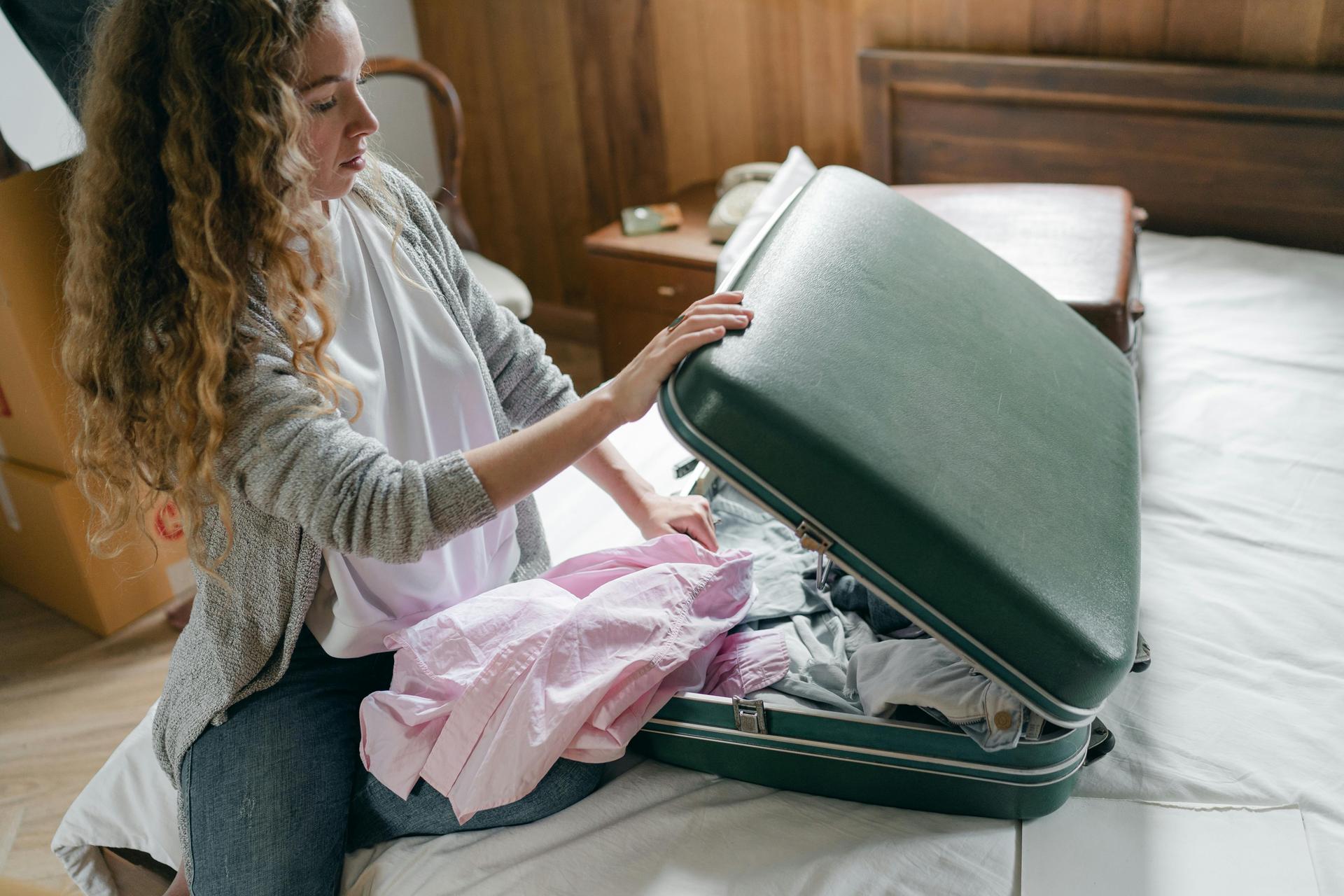
The last hour of any Nairobi visit follows the same liturgy. The big suitcase is opened one final time on the bed, and in goes what cannot be bought at any price abroad: a bag of dried omena wrapped twice against the smell, tea from a relative's farm, ground spices in recycled jars, sometimes a carefully foil-wrapped parcel of meat that an aunt insists will survive the journey. The clothes are an afterthought. The food is the point.
It is precisely that suitcase that the United States government is now asking travellers to think about before they zip it shut. US Customs and Border Protection has issued a fresh reminder to international travellers and importers that a long list of foods and goods cannot legally enter the country, naming African bushmeat explicitly and warning that even innocent-looking items can be seized at the port of entry, Kenya's TUKO.co.ke reported this week.
"Sometimes the products that cause injury, or have the potential to do so, may seem fairly innocent," the agency says in its guidance to travellers. "But appearances can be deceiving."
A Warning Written for Everyone, Read Hardest by Those Who Carry Home in a Bag
CBP's advisory is addressed to all travellers, but it does not land on all travellers equally. For the Kenyan nurse returning to Texas after a December visit, or the student flying back to Boston after a long vacation, food is not a souvenir. It is continuity — the difference between a city that is merely lived in and one that occasionally tastes like home.
That is why the agency's renewed push on enforcement matters to the diaspora more than the average tourist. The guidance asks travellers to check the restricted items list before they leave for the United States, not after they land — a sequencing that assumes the packing decision is where the risk begins. By the time an officer or an agriculture beagle finds the parcel at the airport, the only questions left are about penalties and paperwork.
The agency frames the rules as protection rather than punishment. The products it stops at the border, it says, are those that could injure community health, public safety, American workers, children, or domestic plant and animal life. A single insect in a bag of rice, a pathogen in uninspected meat, a plant disease riding on a mango — the stakes it describes are agricultural and epidemiological, not culinary.
What 'Prohibited' Means When It Is Printed on a Federal List
The distinction at the heart of the guidance is between two words that travellers often blur. Prohibited items are forbidden by law from entering the United States at all — no permit, no exception at the counter. CBP's own examples include bushmeat, the drug Rohypnol, absinthe, dangerous toys and cars that fail crash standards. Restricted items, by contrast, can enter, but only with special licences or permits issued by a federal agency in advance: firearms, certain fruits and vegetables, animal products and some live animals.
For food specifically, the lines are sharper than many travellers assume. According to the guidance reported by TUKO, bakery items and certain cheeses are generally admissible. Most meat products are not — including processed forms that feel harmless in the kitchen, such as bouillon cubes and soup mixes. Rice can be refused because it often harbours insects. Fresh fruits and vegetables, from mangoes to tomatoes, are generally prohibited for personal importation unless they arrive with a phytosanitary certificate and prior approval, and their fate can depend on where they were grown and which US state the traveller is heading to.
Then there is the named item. "When travelling into the US, please note that bushmeat is prohibited to bring into the country," the agency warned, urging travellers to consult its restricted items list before flying. For East African travellers, that sentence is not abstract: dried or smoked game meat still circulates as a delicacy and a gift in parts of the region, and a parcel pressed into a departing relative's hands can become a federal violation eight thousand miles later.
Forty Agencies at One Desk
Part of what gives the border its reach is that the officer at the inspection desk is not enforcing one rulebook but dozens. CBP enforces hundreds of laws on behalf of roughly forty other government agencies, including the US Department of Agriculture, the Fish and Wildlife Service and the Centers for Disease Control and Prevention. The same desk that checks a visa is also the front line for animal disease control, plant health and wildlife trafficking law.
The agency's published list of prohibited and restricted categories runs from the expected to the obscure: food products raw and prepared, fruits and vegetables, plants and seeds, soil, fish and wildlife, game and hunting trophies, dog and cat fur, drug paraphernalia, gold, Haitian animal hide drums, merchandise from embargoed countries, and counterfeit or trademark-infringing goods. A traveller carrying soil from a family farm for sentimental reasons is, in the law's eyes, carrying a regulated agricultural import.
Canada Read the Same Page First
The American reminder does not arrive in isolation. Earlier this year, Canada updated its own guidelines on what travellers may bring across its border, with food, plants and animal products among the most tightly regulated categories. Travellers who fail to declare agricultural products there face fines of between 500 and 1,300 Canadian dollars, TUKO reported — a meaningful sum measured against the value of anything a suitcase can hold.
Taken together, the two North American advisories sketch the same direction of travel: declare everything, assume nothing, and treat the question on the landing card as a legal document rather than a formality. For a diaspora that moves constantly between Nairobi, Toronto, Dallas and Seattle, the practical rulebook is converging.
Declare, or Pay for the Silence
None of this requires the suitcase ritual to end. It requires it to change shape. The safest path through a US port of entry has always been the same: declare every food item, even the ones that turn out to be admissible. Officers routinely wave through declared bakery goods, sealed teas and many packaged dry foods; what triggers penalties is concealment, not chapati. An undeclared item found in a bag invites fines and can complicate future travel in ways that far outlast the loss of the parcel itself.
The wiser packing list starts before the airport: check CBP's published lists, keep receipts and labels on packaged food, leave fresh produce and all meat products behind, and let the relatives know — gently, before the foil parcel is wrapped — that some gifts now travel better as recipes than as cargo. The taste of home will survive the regulations. The point, as ever, is to make sure the traveller carrying it does too.