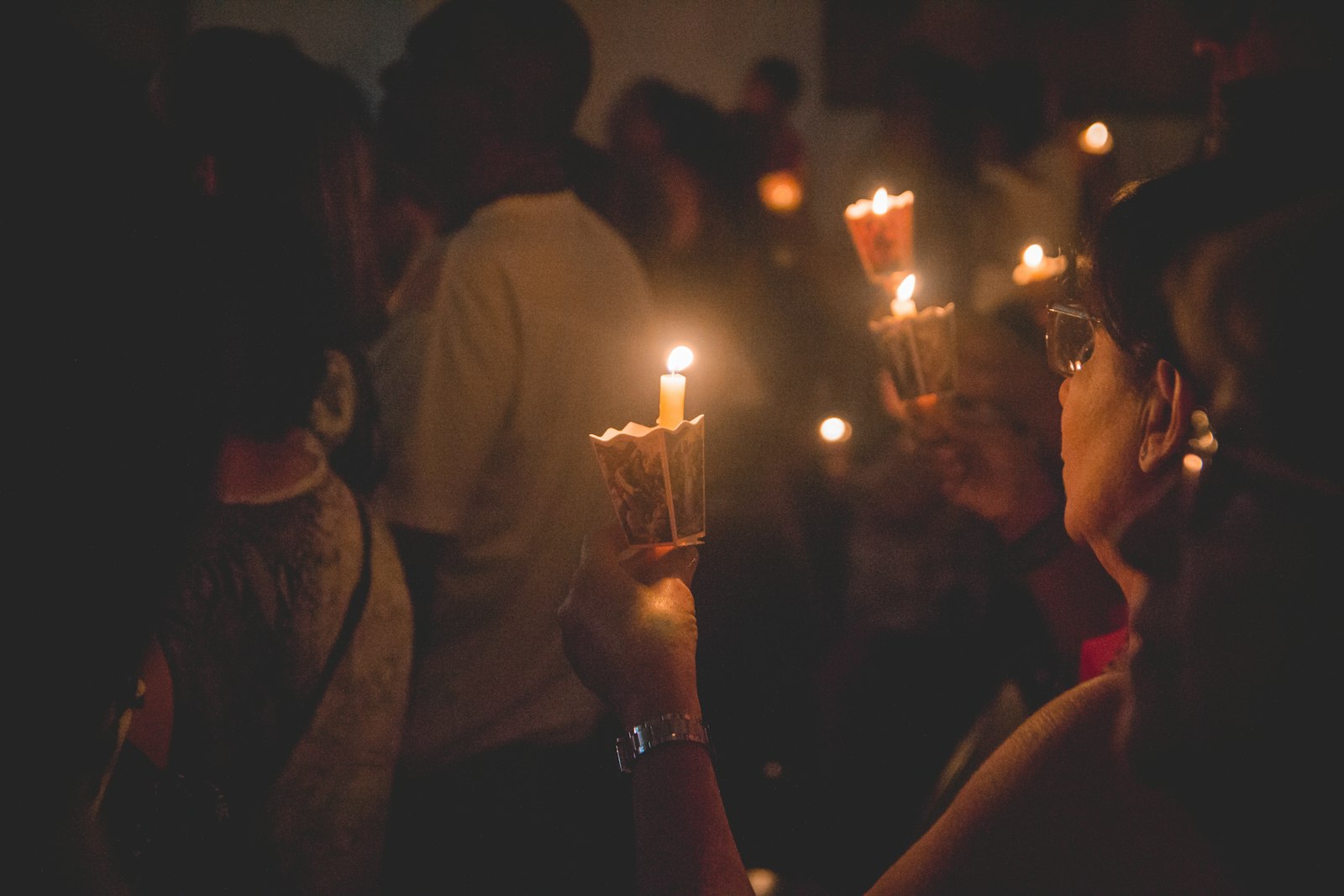
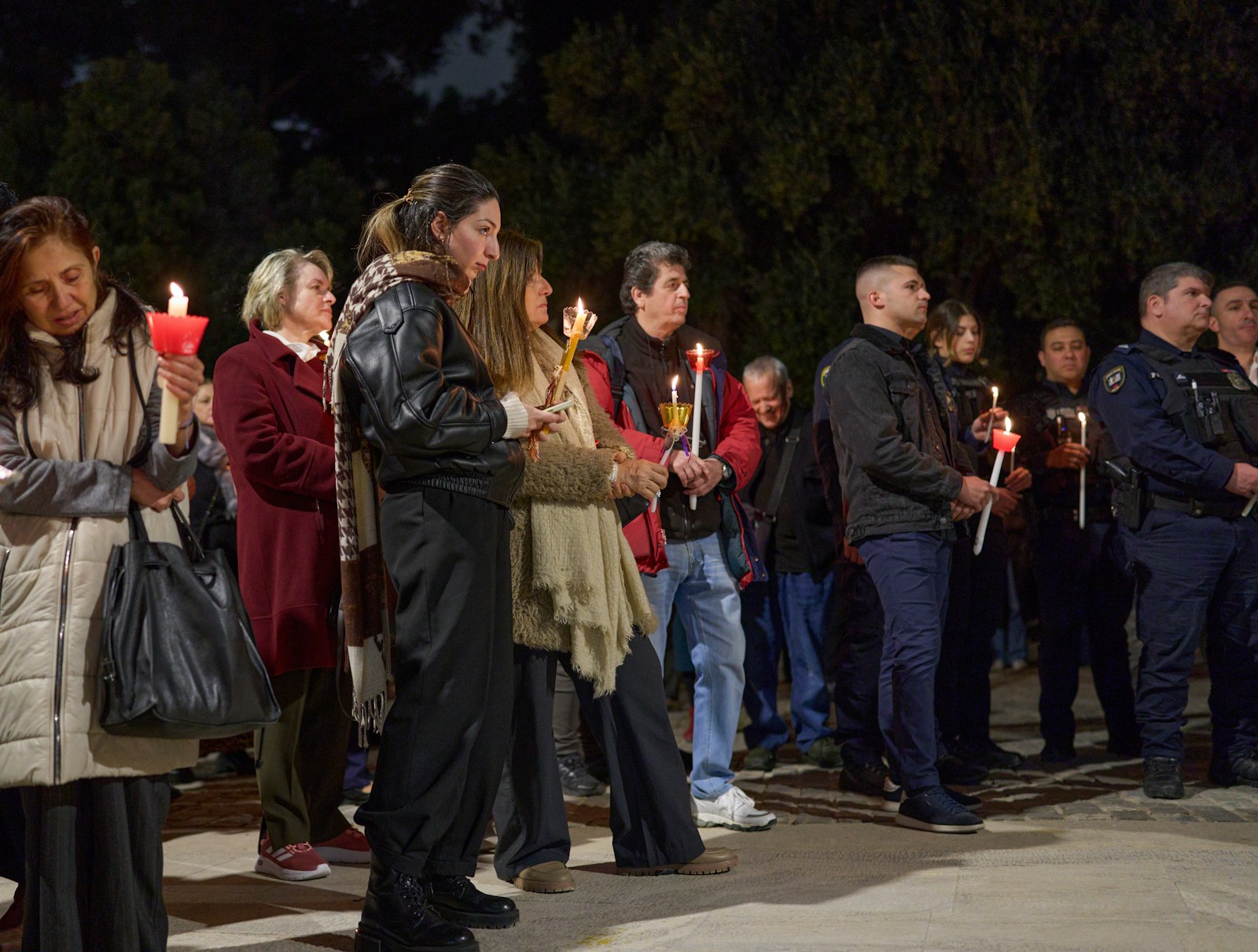
The Quiet Goodbye: How Rukia Ogeto's American Cancer Battle Drew a Kenyan Mourning Circle Across Two Continents
The wife of former Solicitor General Kennedy Ogeto died Sunday in the US after a long cancer battle, drawing tributes from Fred Matiang'i and a Kenyan legal fraternity that had watched quietly for months.

The room is the kind diaspora families come to recognise: a hospital chair pushed close to a railed bed, an IV pole humming somewhere out of frame, an American light that is too bright for grief. On Sunday, in that kind of room somewhere in the United States, Rukia Mandari Ogeto died. The cancer that had taken its long, deliberate turns through her body finally finished its work. By Tuesday, the news had crossed the Atlantic and the Indian Ocean to arrive in Kenya, where her husband, the former Solicitor General Kennedy Ogeto, is a public name and the family's loss has quickly become a country's loss.
For Kenya's diaspora, the death of Rukia Ogeto belongs to a quiet, expanding category. It is not the headline kind of loss that snaps a community to attention. There was no accident, no border drama, no name on a missing-persons board. There was, instead, the long American treatment that diaspora families speak about in lowered voices: months on top of months, a parade of consultations, therapies that buy time at a price, and a husband, son, daughter or sister flying back and forth on a schedule that bends around lab results.
A death that travelled quickly across continents
Mwakilishi.com first carried the news on Tuesday morning, citing the family. Rukia, the outlet reported, had been receiving treatment for cancer for an extended period and faced her illness with what those close to her described as resilience and dignity. The piece noted the messages of condolence arriving from colleagues, friends and members of Kenya's legal fraternity who knew Kennedy Ogeto from his years in government and at the bar.
Within hours, a parallel tribute landed on the same news cycle. People Daily reported that former Interior Cabinet Secretary Fred Matiang'i, now Jubilee's Deputy Party Leader, had shared an emotional message on his official X account on Sunday. Matiang'i, a long-time friend and colleague of Kennedy Ogeto, described the loss as deeply painful and acknowledged that the family had endured a prolonged and painful struggle in the run-up to Rukia's death.
The two outlets converged on a small but important detail: that Rukia's last months were not a sudden interruption of an ordinary life, but a known siege. Friends had been keeping vigil for some time. The diaspora community around the Ogetos in America had been, in the language one Kenyan-American mourner used elsewhere this year, carrying the family.
The public husband, the private patient
Kennedy Ogeto served as Solicitor General during the administration of former President Uhuru Kenyatta, a tenure in which his face appeared regularly on Kenyan front pages and his arguments shaped some of the country's most consequential constitutional cases. He represented the government in legal battles that defined the late Kenyatta years and, after his exit from public office, retained the kind of name recognition that turns a personal loss into a public one.
Rukia, by every account that filtered through this week, did not court that light. The Mwakilishi piece described her in the language family members reach for when a private person has died: a devoted wife and mother who provided strength and support to her family. Those close to her told the outlet she faced her condition with courage and determination, words that, in obituary writing, often signal the kind of resilience that goes uncelebrated because it never asked to be celebrated.
For the Ogetos' diaspora community, the privacy was the point. The treatment journey unfolded inside an American medical system that is, for Kenyan families, both a sanctuary and a maze. The choice to be treated in the United States is rarely made lightly. It usually involves a calculation about which therapies are available where, which insurance or savings can be stretched, and which family members can fly to which city for which procedure. The death of a patient at the end of that journey arrives in Kenya with a heaviness that is hard to convey to people who have never made the calculation themselves.
Matiang'i and the mourning circle
Matiang'i's tribute, posted within hours of the news reaching Kenya, did two things at once. It registered an individual grief, one friend mourning another's wife, and it opened the door of a much larger room. By Tuesday evening, the threads under the Mwakilishi report and the People Daily tribute had filled with messages from former civil servants, advocates from the Law Society of Kenya's networks, and diaspora groups in Maryland, Texas and the United Kingdom who knew the Ogetos personally or by reputation.
In Kenyan political grammar, condolence is also affiliation. Matiang'i and Ogeto served in the same administration. The decision by one to mourn the other publicly carried, for those who read these signals, an echo of older loyalties. But to read the tribute only as politics is to miss what diaspora readers heard in it. Matiang'i's message described a difficult period of grief, the language of someone who has watched another person endure something he could not fix.
That note is one diaspora families know intimately. The Ogeto household is now part of a long, mostly silent ledger of Kenyan families who have buried a loved one on American soil after a cancer that started in Nairobi, Kisumu or Mombasa, or was diagnosed in Maryland or Boston after the patient had already moved.
Cancer, distance and the diaspora's hidden burden
The Kenyan diaspora's relationship with American oncology has by now become its own small institution. Community WhatsApp groups in Dallas, Atlanta, Minneapolis and the DMV corridor circulate the names of oncologists who have treated Kenyan patients before. Harambees raise tens of thousands of dollars to plug the gap between insurance coverage and clinical reality. Pastors in Kenyan churches in Lowell, Worcester and Bowie give regular sermons that lean, gently, on the families fighting unseen battles in nearby hospitals.
Rukia's death lands inside that infrastructure. It will be processed, in part, by it. There will be a funeral programme that names a Kenyan church in the United States and, almost certainly, a service of remembrance in Nairobi. There will be airline schedules juggled across time zones, and decisions about whether the body returns home for burial that depend on the family's wishes and the bureaucracy involved.
What the public sees of all this is usually only the headline. What the diaspora sees, and what makes a story like this matter beyond the family it concerns, is the system that quietly held them up while it lasted.
What comes next for the family
In the immediate term, the Ogeto family has not asked the public for anything beyond prayers. The two outlets that have reported the death emphasise the family's privacy and the legal community's solidarity. A formal funeral programme is expected to be circulated in the coming days, with arrangements likely coordinated between relatives in Kenya and friends in the United States.
For Kennedy Ogeto, the loss arrives at a moment when his name has continued to surface in Kenya's political and legal conversation. He has remained an advocate in good standing and a sought-after counsel since leaving public office. Friends say the months ahead will be devoted to family.
For Kenya's diaspora, the loss is, in a quiet way, a mirror. Every diaspora reader who has watched a parent or spouse navigate American oncology recognises the contour of the Ogeto family's last months. The death of a public figure's private partner is one of the few moments when that shared, unspoken experience surfaces in the country's news pages.
The headlines on Tuesday were brief and the photographs sparse. But the tributes have been enough to suggest that the country, and the community abroad, are paying attention to the kind of grief that usually goes unpublished.