The Nurses Who Were Never Real: How a Kenyan-Run Seattle Agency Slipped Imposters Into America's Care Homes
A Seattle jury convicted David Mungai Njenga on all 11 counts. As his June 16 sentencing nears, the case unsettles a diaspora built on the dignity of nursing.
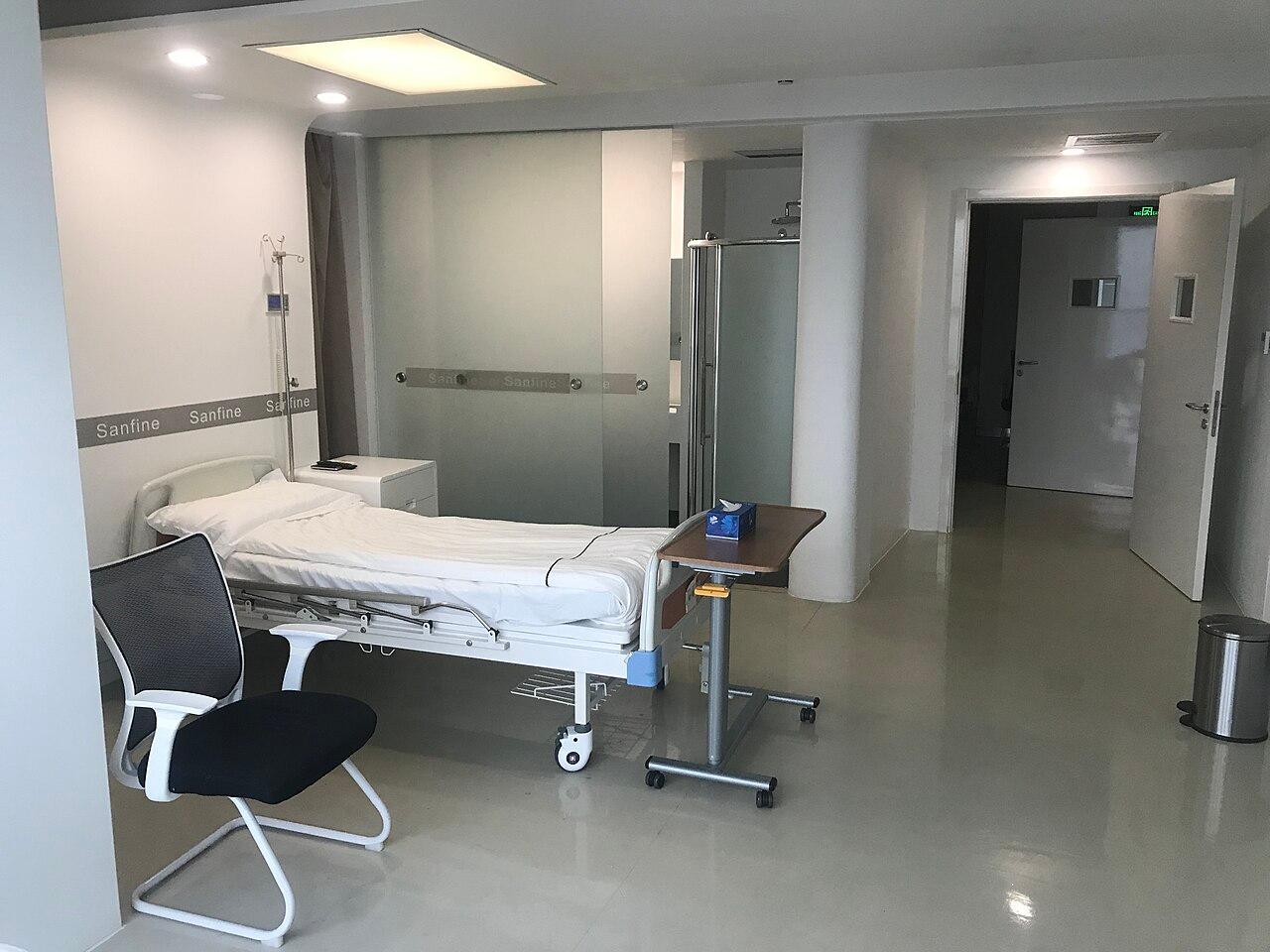
In the long-term care homes of Washington State, a nurse's badge is a promise. It says the person checking a feeding tube at two in the morning, or counting out a frail resident's evening pills, has sat the exams, earned the licence, and answered to a board that can take it away. For a stretch of months, prosecutors say, some of those badges in the Seattle area carried real names attached to the wrong faces — and the man who allegedly arranged it is now waiting to learn how many years he will spend in federal custody.
A jury in Washington has convicted David Mungai Njenga, a Kenyan living in the United States, on all eleven counts in what prosecutors have described as one of the largest Medicaid fraud cases the state has seen. His sentencing is scheduled for June 16. According to reporting by the Daily Nation and The Kenya Times, he faces a prison term ranging from roughly twelve years to sixteen and a half years, along with financial penalties of up to 50,000 dollars.
For a diaspora in which nursing is not just a job but a pathway — the credential that has carried thousands of Kenyans into stable lives in America and Britain — the verdict lands somewhere between scandal and cautionary tale.
A Verdict in Seattle
The case turned on a staffing agency that, on paper, looked entirely ordinary. Prosecutors say Njenga incorporated a company called Heritage Medical Staffing in the Seattle area and presented it to long-term care facilities as a legitimate source of licensed nursing staff. Care homes, chronically short of qualified hands, are precisely the kind of buyers such an agency would court.
The jury's decision to convict on every count suggests the evidence left little room for a sympathetic reading. These are the facilities that house the elderly, the disabled, and people recovering from serious illness — residents who depend on the assumption that the person in scrubs knows what they are doing.
Stolen Names, Borrowed Credentials
What made the alleged scheme work, according to the reporting, was identity theft. Prosecutors say Njenga recruited people who were unlicensed or unqualified to work as nurses, then presented them to care facilities using the names and credentials of real, licensed nurses whose identities had been taken without their knowledge.
The mechanics are unsettling precisely because they are so plausible. A facility verifying a credential would find a genuine licence in good standing — just not belonging to the person who actually showed up for the shift. The real nurses, meanwhile, had their professional identities quietly attached to work they never performed and patients they never met.
The Patients in the Middle
Beneath the fraud counts sits a quieter harm that no courtroom tally fully captures. Long-term care is intimate, repetitive, and unforgiving of error. Medication schedules, wound care, the early signs of a stroke or a fall — these are the things a trained nurse is supposed to catch. When the person performing them lacks the training the badge implies, the risk does not stay on a spreadsheet.
It is also why this case is being framed as Medicaid fraud rather than a simple business dispute. Much of the funding that flows through these facilities is public money, paid on the understanding that care meets a legal standard. Billing for licensed care that was not, in fact, licensed is what turns a staffing arrangement into a federal crime.
A Co-Defendant Who Vanished
The trial that ended in conviction did not include everyone named in the case. A second Kenyan, Everlyn Njuki, was charged as a co-defendant but was not part of the trial. According to the reporting, she has since left the United States, and a court has issued a bench warrant for her arrest.
Her absence leaves the case unfinished in an uncomfortable way. For the diaspora communities that follow these stories closely — often through WhatsApp groups and Facebook pages that knit together Kenyans across American cities — a fled co-defendant is a reminder of how quickly a life abroad can come apart, and how far the consequences can reach back home.
The Diaspora's Uneasy Reckoning
It would be easy, and wrong, to read this verdict as a story about Kenyan nurses. The overwhelming majority of the tens of thousands of Kenyan-born nurses and care workers in the United States earned their credentials the hard way, through years of study, licensing exams, and the kind of background scrutiny that leaves no shortcut unexamined. They are the people this alleged scheme borrowed from and traded on.
That is what stings. The strength of the Kenyan nursing diaspora has always been its reputation: dependable, qualified, trusted with the most vulnerable patients in the system. A case like this, splashed across diaspora headlines, threatens to put an asterisk on a community that built its standing one verified licence at a time. Many in the diaspora will read the Seattle verdict less as gossip than as a warning about the people who try to monetise that hard-won trust.
What Sentencing Could Bring
On June 16, a judge will decide where within the twelve-to-sixteen-and-a-half-year range Njenga's sentence falls, and what financial penalty attaches. Whatever the number, the case will likely echo well beyond the courtroom. Regulators tend to respond to high-profile staffing fraud by tightening verification requirements — more rigorous credential checks, closer scrutiny of agencies, slower onboarding. Those changes fall hardest on the legitimate operators and the qualified nurses who have nothing to hide.
For now, the diaspora watches a single date on a Seattle calendar. The residents of the care homes at the centre of the case have moved on to other shifts, other nurses, names that match the faces. And a community that has spent a generation proving its credentials are real is left, once again, defending the value of a badge.
*Reporting drawn from the Daily Nation and The Kenya Times. Court details, including the June 16 sentencing date and the bench warrant for co-defendant Everlyn Njuki, are as stated in those reports.*