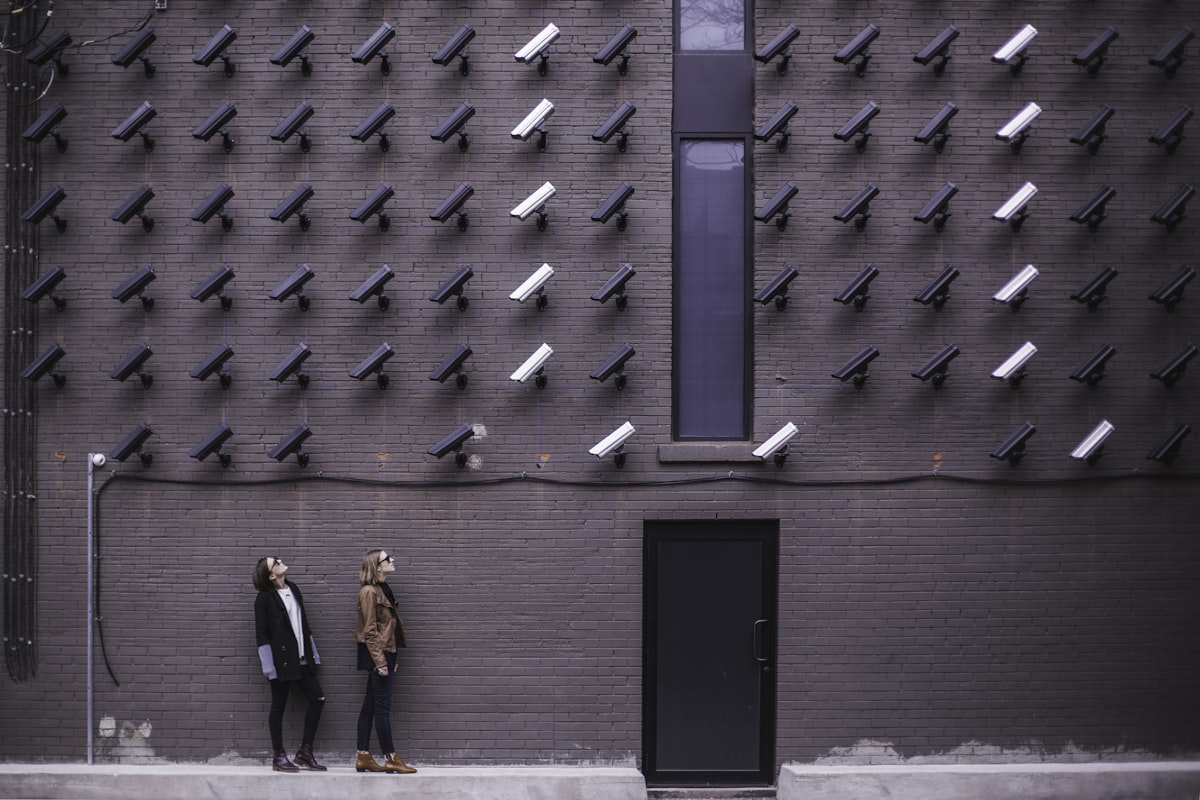
The Jet That Tweeted Back: Why the Arrest of 'Princess Halima' Has Kenya's Online World Watching the Skies
A Mombasa woman is in custody over an X account that mapped President Ruto's foreign flights. For Kenyans at home and abroad, the case tests who is allowed to watch the watchmen.
The officers came to Bamburi, on the northern edge of Mombasa, on the last day of June. The woman they were looking for was known to her followers by a softer name than the one on the charge sheet: Princess Halima. By the time Halima Ngache was booked at Muthaiga Police Station in Nairobi, hundreds of kilometres from home, detectives had taken two mobile phones, a Tecno tablet, a Dell laptop and three flash drives — and a question had begun to spread across Kenyan social media faster than any answer could catch it. What, exactly, is the crime in knowing where the president's plane went?
Somewhere between the coast and the capital, the story acquired the detail that has made it irresistible to Kenya's online public. The X account at the centre of the investigation kept posting while Ngache was in custody. Whoever was typing, it was not the woman in the police van.
An Arrest in Bamburi, an Account That Kept Posting
According to an affidavit filed at the Milimani Law Courts by Corporal Edwin Metto of the Directorate of Criminal Investigations' Serious Crimes Unit, detectives received intelligence on June 29 about a verified X account operating under the handle @sholard_mancity. A day later, officers moved in on Ngache in what the DCI described as an intelligence-led operation in Mombasa's Kazandani area, before transferring her to Nairobi.
In court, Ngache maintained that she does not run the account — and pointed to the most awkward fact in the prosecution's file. Even after her devices were seized, the account stayed alive. A post published after her arrest addressed followers directly, saying its administrators could not have carried on posting normally while she was missing, and thanking those who had amplified the search for her. Investigators drew the opposite conclusion: that more than one person may hold the keys, and that forensic analysis of the seized gadgets will show whose hands were on the keyboard.
What the Account Published
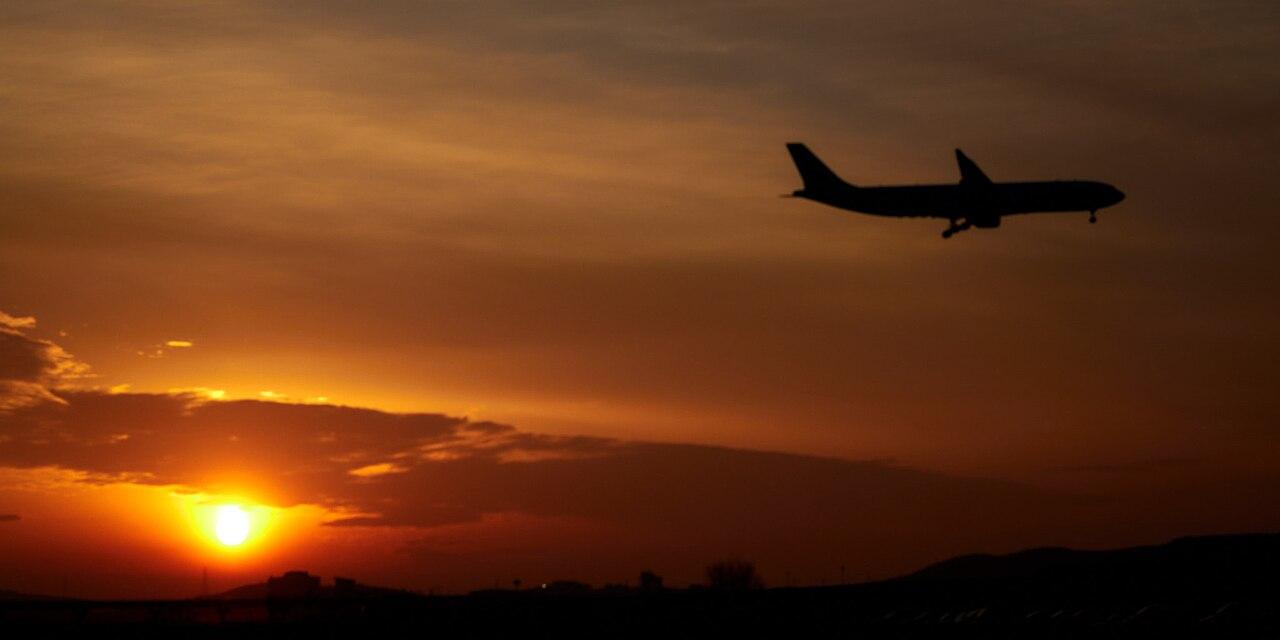
The posts under investigation read less like threats than like the flight logs of a plane-spotting hobbyist with very good sources. One post cited in the affidavit claimed the president travelled from Belgium to Norway on June 8 aboard a chartered private jet. Another tracked an onward leg from Norway to Finland. A third, on June 25, claimed the president had left Kenya and was expected to board a private jet in Madagascar.
The DCI told the court the account had repeatedly shared flight route charts and the registration details of aircraft allegedly used on official trips. The affidavit concedes that the motive behind the alleged tracking remains unknown, but argues the publications caused apprehension over the safety of the head of state. That framing matters, because the provision detectives are using — Section 27(1) of the Computer Misuse and Cybercrimes Act, which covers cyber harassment — turns on communication that is likely to cause fear or distress.
The prosecution asked for seven days to finish its work, citing pending forensic examinations and requests to other agencies. Senior Principal Magistrate Theresa Nyangena gave them three. Ngache returns to court on Monday, July 6.
A Strange Week for Kenya's Internet
The timing of the case is its own commentary. In the same week that Ngache sat in custody, Kenya's High Court struck down key provisions of the 2025 amendments to the very statute being used against her, ruling that powers allowing the state to block websites and applications were unconstitutional. Digital rights groups celebrated that judgment as a rare structural win for online expression. The Ngache case is the other side of the same coin: whatever the courts say about blocking platforms, the state retains the power to arrest the people who post on them.
Kenya has been here before. Bloggers, satirists and anonymous accounts have faced charges under the Computer Misuse and Cybercrimes Act since its enactment in 2018, and courts have repeatedly been asked to draw the line between protecting individuals from genuine harassment and shielding public officials from scrutiny. What is new in this case is the subject matter. Presidential travel is not a private fact in any ordinary sense; it is announced in gazettes, covered by state media and debated in parliament. The question a magistrate may eventually have to answer is whether assembling those movements into a timeline — with tail numbers attached — transforms public information into a crime.
Watching Planes Is a Global Pastime
Aircraft tracking sits in a legal grey zone almost everywhere. Commercial and private aircraft broadcast their positions through ADS-B transponder signals that anyone with a cheap receiver can collect, and volunteer networks aggregate those signals into public maps. The world's most famous test case was American: a college student's automated account tracking Elon Musk's private jet, which got him banned from Twitter in 2022 shortly after Musk bought the platform. Celebrities and politicians from Taylor Swift to European heads of government have discovered that their jets can be followed by anyone who cares to look.
In most democracies the response has been social pressure, platform rules or civil lawyers' letters — not handcuffs. Kenya's decision to treat alleged flight-tracking as a potential cybercrime, investigated by the Serious Crimes Unit and argued over in a criminal courtroom, puts it at the sharp end of a global argument about whether the powerful can reclaim privacy the physics of aviation has already given away.
Why Kenyans Abroad Are Watching This Case
For the diaspora, this is not an abstract debate. X is the Kenyan diaspora's town square: the place where a nurse in Dallas, a student in Manchester and a truck driver in Doha argue about the same headlines in the same threads as Kenyans in Nairobi. Presidential foreign travel is a perennial obsession in those spaces, precisely because the diaspora often sees the president's plane land in its own backyard — and because every chartered jet is weighed, fairly or not, against the taxes and remittances that keep the home economy upright.
Many of the sharpest anonymous political accounts in Kenya's online ecosystem are widely assumed to be run from abroad, beyond the immediate reach of a Mombasa dawn operation. If the state's theory in the Ngache case succeeds, the chilling effect will not stop at Kenya's borders; it will reshape what Kenyans everywhere feel safe posting about the people who govern them. If it fails, it will mark another boundary stone, alongside this week's High Court ruling, in the slow mapping of what Kenya's constitution actually protects online.
On Monday, a magistrate in Milimani will take the next step toward an answer. The account, as of this week, was still posting.