The Hundred-Thousand-Dollar Door: How a Stalled US Court Fight Hangs Over Kenyan Professionals' H-1B Dreams
A $100,000 fee on new H-1B petitions remains in force while a Boston appeals court weighs its fate — and Kenya's nurses, coders and doctors are caught in the wait.
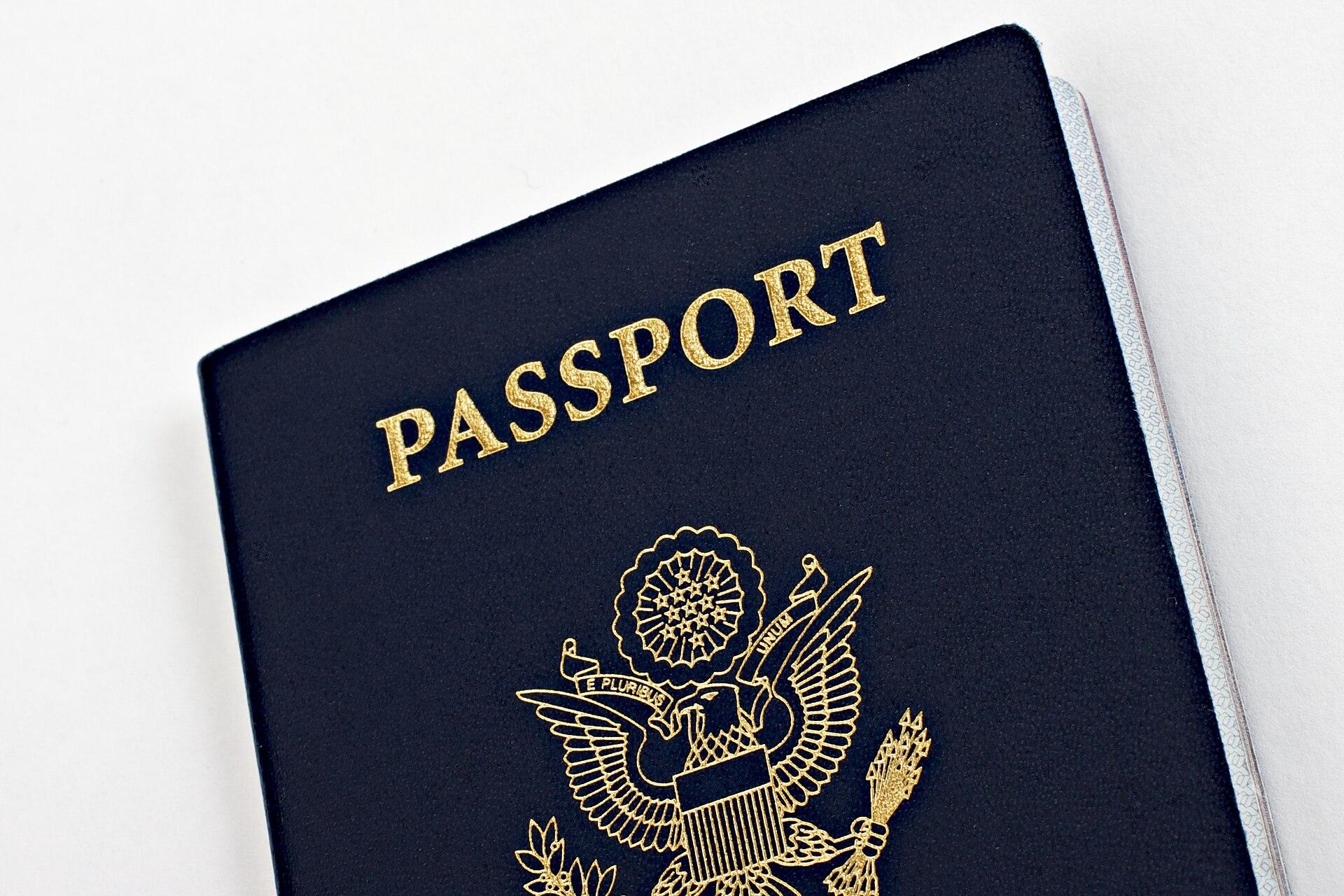
For a Kenyan software developer in Dallas, the email from a company recruiter used to read like an open hand: a job offer, a sponsorship promise, a timeline that ended in a green card. This summer, the same kind of message arrives wrapped in a number that did not exist a year ago — a one-off charge of one hundred thousand dollars that an employer must now weigh before filing a single H-1B petition. The figure has become the quiet hinge on which thousands of careers turn, including those of Kenyans who came to the United States to nurse, to code, to teach, and to heal.
That number now sits at the centre of a legal fight whose outcome no one can yet predict. As of late June, the fee is technically in force, suspended in a kind of judicial limbo while a federal appeals court in Boston decides whether the policy lives or dies. For Kenyan professionals already in the system, and for the families back home who depend on the money they send, the uncertainty is its own kind of cost.
A Fee Born of a Proclamation
The charge traces back to a presidential proclamation issued in September 2025, which required employers to pay a one-time fee of $100,000 before petitions for new H-1B visas could be processed. The administration framed the measure as a way to curb immigration and protect American workers, arguing that the H-1B programme had been used to substitute lower-cost foreign labour for domestic employees.
The H-1B visa is the main route by which skilled professionals — engineers, scientists, medical workers, university staff — move to the United States for specialty jobs. For many Kenyans, particularly those who arrived as students and converted academic visas into work, it is the bridge between a degree earned abroad and a long-term life in America. A six-figure fee attached to that bridge changes the calculation for the employers who must decide whether a candidate is worth the cost, and it changes the odds for the worker hoping to be chosen.
The June Ruling That Shook the Policy
On 8 June 2026, US District Judge Leo Sorokin, sitting in Massachusetts, struck the fee down. In a lengthy decision, he concluded that the charge was, in substance, a tax — and that the power to levy taxes belongs to Congress, not the president. The fee, he ruled, exceeded presidential authority and breached the separation of powers. The challenge had been brought by a coalition of twenty Democratic-led states.
"The substance and application of the $100,000 payment reveal that it is a tax, regardless of what the payment is called," the judge wrote, according to reporting by US outlets including CBS News and NPR. Immigration lawyers greeted the ruling as a decisive check on executive power over employment-based visas, and for a brief moment it looked as though the fee might simply vanish.
Why the Fee Is Still in Force
The relief proved short-lived. Days after his decision, Judge Sorokin agreed to temporarily suspend his own order, giving the government until 18 June to seek further relief from the First Circuit Court of Appeals. The Department of Homeland Security met that deadline, filing an emergency request asking the appeals court to keep the lower court's ruling on hold while the appeal proceeds.
In its filing, DHS argued that the fee is not a tax at all but a lawful exercise of presidential power under immigration law — and that even if it were a tax, the president would still have authority to impose it. The department also asked the court to narrow any block on the policy so that it applies only to the states that sued, rather than to the whole country. The practical result is that, for now, the fee remains in effect while the judges in Boston weigh whether to extend the pause. Until they rule, employers and applicants are left reading the same uncertain tea leaves.
A Clock Ticking Toward 30 June
The timing sharpens the stakes. The H-1B petition window for the 2027 cycle opened on 1 April and closes on 30 June, which means employers are making filing decisions in the middle of the legal fog. DHS itself warned that companies may be rushing to file before the deadline, a surge it argued could draw more foreign workers into the system and affect wages and jobs for Americans.
For a Kenyan candidate, that compressed calendar can be decisive. An employer hesitating over a $100,000 outlay may simply let a deadline pass, postpone a hiring decision, or look elsewhere entirely. The dispute is also not confined to one courtroom: parallel challenges are under way in California and the District of Columbia, raising the prospect of conflicting rulings that could eventually push the question toward the Supreme Court.
What It Means for Kenyans Abroad and at Home
Kenya's professional diaspora in the United States is substantial and growing, concentrated in healthcare, technology, and academia — precisely the fields the H-1B was built to serve. The remittances these workers send home are a pillar of Kenya's economy, helping to pay school fees, build houses, and seed small businesses across the country. When the pathway for skilled workers narrows, the ripple reaches far beyond any single visa applicant; it touches a sister's tuition in Kisumu and a mortgage in Nakuru.
There is also a longer-term question. If the United States makes employment-based migration markedly more expensive, some Kenyan talent may redirect toward destinations that are actively courting skilled workers — Canada, which has been moving toward a labour-mobility arrangement with Nairobi, or the United Kingdom, which has dangled faster visas for in-demand professionals. The H-1B fight is, in that sense, one front in a wider global contest for the same nurses and engineers.
For now, the people most affected can only wait. The fee stands, the appeal grinds on, and the deadline approaches. Whatever the First Circuit decides will not only shape one immigration policy; it will help define how far a president can go in setting the price of admission to the American workforce — and how welcome the world's skilled workers, Kenyans among them, can expect to feel when they knock.