The Green Card That Now Requires a Goodbye: How a $70 Billion US Law Redraws the Path for Kenyans Already Inside
Trump's newly signed Secure America Act pours $70 billion into deportation — while a quieter rule change forces many green-card seekers to leave the country to stay in it.
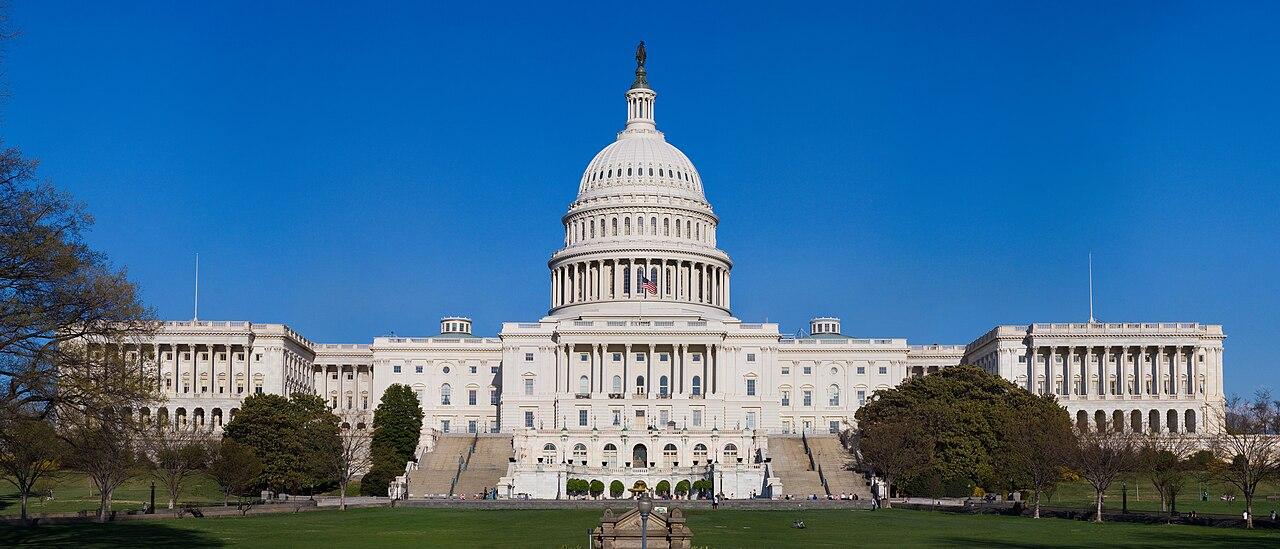
On the afternoon of Wednesday, June 10, in a White House signing room, President Donald Trump put his name to a law that had taken a year of brinkmanship to produce. The Secure America Act — nearly $70 billion for immigration enforcement — had cleared the House of Representatives the day before by the narrowest of margins, 214 votes to 212. For the Kenyan nurse in Texas studying for her licensure exam, or the software engineer in Atlanta waiting on a green card he has earned twice over, the ceremony was thousands of miles away and yet landed directly on the kitchen table. It changed not only who can be removed from the United States, but what the road to staying now requires.
A Law Built for Enforcement The numbers describe the priorities. According to the White House, the package directs about $38 billion to Immigration and Customs Enforcement, $26 billion to Customs and Border Protection and the Border Patrol, and roughly $5 billion to cover unforeseen costs. It funds those two agencies for the next three years, frontloading money through the remainder of the president's term as the administration pursues a stated goal of removing about one million people a year.
The bill was the product of a monthslong standoff. Democrats had refused to fund the Department of Homeland Security following high-profile enforcement operations in Minneapolis and other cities, a deadlock that became the longest agency shutdown in its history. In the end, a slim Republican majority pushed the measure across the line over near-unanimous Democratic objections. The vote split the chamber almost exactly in half, a reminder that the law arrives without the cushion of consensus — but with the force of statute all the same.
The Quieter Rule That Cuts Deeper While the funding law dominated headlines, a second change may reshape more diaspora lives. United States Citizenship and Immigration Services issued a policy memorandum narrowing "adjustment of status" — the long-standing process that lets someone already living legally in the country apply for a green card without leaving. Under the new guidance, that domestic pathway is reframed as an option for extraordinary circumstances rather than the routine route it has been for decades.
The practical effect is stark. Students, temporary workers and visitors who are physically present in the United States will generally no longer be able to finalize permanent residency from inside the country. Instead they must use consular processing — returning to their home nation for the final interview and approval. A former USCIS official told reporters the shift could disrupt the plans of "hundreds of thousands" of families and businesses. For each of them, the act of leaving carries new hazards: interview backlogs, visa delays, and the genuine possibility of not being allowed back.
What It Means for Kenyans Already Inside For the Kenyan diaspora in America, the change touches some of its most familiar stories. The graduate who arrived on a student visa and found a job. The healthcare worker recruited into a hospital system that sponsored her. The H-1B professional whose employer filed for a green card years ago. Many of these residents had assumed they could complete the journey to permanent status without ever boarding a plane home. Now, for a large share of them, the final step runs through the US embassy in Nairobi rather than a field office in their American city.
The asymmetry of risk is the heart of the worry. A person who leaves to attend a consular interview is, in that moment, outside the country and subject to the discretion of officers and the rhythm of a queue. Should the appointment slip, or a background check stall, weeks can become months — months spent away from jobs, leases, schools and the children who may be US citizens. Against the backdrop of a newly funded enforcement apparatus, the calculation that once felt procedural now feels existential.
The Nairobi Calculation Back home, the implications travel along the same wires as the money. Kenya's diaspora sends home one of the country's largest sources of foreign exchange, and a meaningful portion of that flow originates in the United States. Every résumé interrupted, every paycheck paused while a worker waits abroad, is felt in a household in Kiambu or Kisumu that depends on the monthly transfer.
The State Department for Diaspora Affairs has spent the past year emphasizing "safe and orderly" migration, pre-departure orientation and consular support. But the levers available to Nairobi are limited when the rules are written in Washington. Kenyan officials can warn citizens to verify their paperwork, keep their status current and seek qualified legal advice before traveling. What they cannot do is reopen a domestic pathway that another government has chosen to close.
A Narrowing Set of Doors The Secure America Act and the adjustment-of-status memo do not stand alone. In recent weeks Kenyans abroad have absorbed a steady sequence of tightenings: proposals to curtail the green-card lottery and family sponsorship, a new $750 fee for an expedited visa interview, stricter scrutiny of immigration histories, and plans to reduce the number of African posts that process visas at all. Taken one at a time, each is a technical adjustment. Taken together, they describe a system in which the legal routes that built the modern Kenyan-American community are narrowing at once.
None of this forecloses the future. Green cards are still issued, courts still hear challenges, and skilled Kenyans remain in demand in hospitals, laboratories and tech firms across the country. But the terms have shifted, and the shift rewards preparation over assumption. For a community that has long treated the United States as a place where patience eventually pays off, the new message is colder and more conditional: the door is still there, but more of them now require you to step outside first — and to trust that it will open again when you knock.