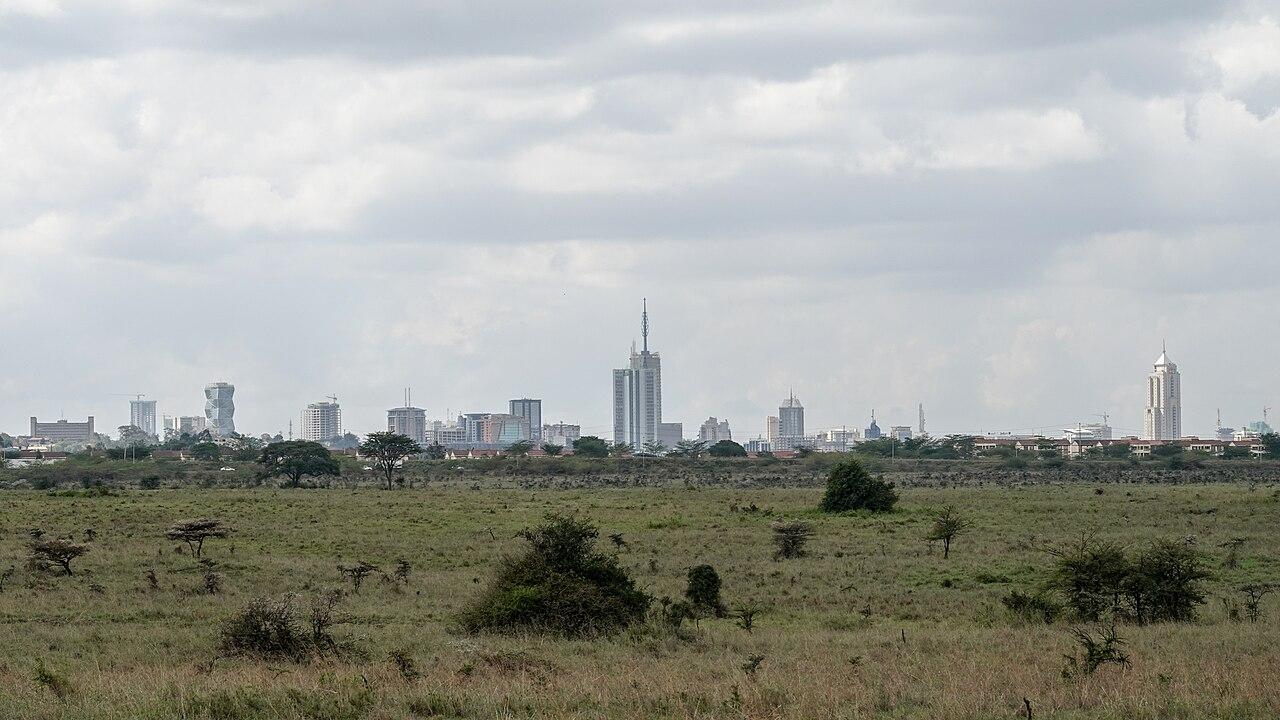
The Front Door Gets a Builder: Why Kenya's Sh375 Billion Bet on JKIA Reaches Every Kenyan Flying Home
Two years after the Adani deal collapsed in public fury, Kenya has handed its busiest airport to a Chinese state giant — and promises diggers on the tarmac by July.
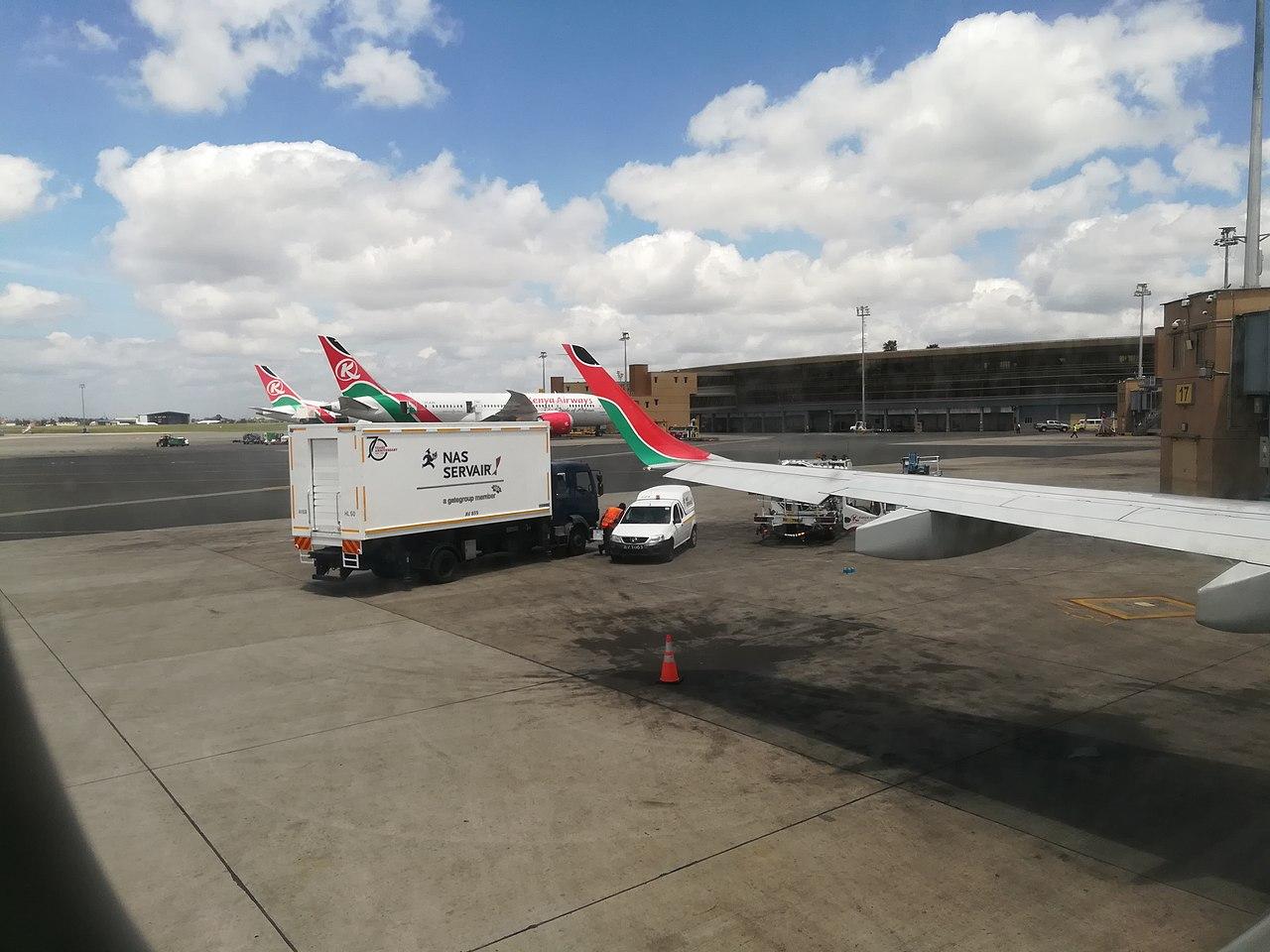
For anyone who has flown home in December, the scene is familiar: the slow shuffle through Terminal 1A, trolleys stacked with suitcases bound for Kisumu and Nyeri, the heat of a building that was designed for 7.5 million passengers a year and now absorbs nearly nine million. Jomo Kenyatta International Airport is the first piece of Kenya most of the diaspora touches on every trip home — and for years it has been a national embarrassment dressed up in patience and canvas sheeting.
On Friday evening, President William Ruto told a delegation of Marsabit leaders at State House that the wait is nearly over. Construction of a new airport, he said, will begin in July, and the money to pay for it is already in hand. "We tried building a new airport, and people revolted," he said, in remarks reported by Kenyans.co.ke. "The current airport has a canvas on the tarmac, and we are getting a lot of shame."
The announcement landed a day after news broke that the government had awarded an engineering, procurement and construction contract worth approximately Sh375.4 billion — about 2.9 billion US dollars — to China Communications Construction Company, the state-owned giant whose regional subsidiary, China Road and Bridge Corporation, built the Standard Gauge Railway and the Nairobi Expressway.
The deal that replaces the deal that died
Every Kenyan abroad who followed the news in late 2024 remembers how the last attempt ended. The proposed concession that would have handed JKIA to India's Adani Group for three decades provoked street protests, an airport workers' strike and a furious online campaign before the government cancelled it in November 2024, after United States prosecutors indicted the group's founder in an unrelated bribery case. The episode left a hole where Kenya's flagship infrastructure project should have been — and left JKIA exactly as it was, leaking roofs and all.
This time the structure is different. Rather than a concession that hands operations to a foreign company, the CCCC agreement is a construction contract financed through the newly created National Infrastructure Fund, which the Treasury seeded with proceeds from the privatisation of the Kenya Pipeline Company, according to reporting by Capital FM and the Kenya Times. The government insists the airport stays in Kenyan hands; the Chinese contractor builds, and leaves.
The choice of builder still carries history. China Road and Bridge Corporation delivered the railway that most diaspora visitors now ride from Nairobi to Mombasa, and the expressway that cut the airport run from two hours to twenty minutes. Both projects also became shorthand in Kenya's long argument about Chinese debt — an argument the diaspora conducts as fiercely in WhatsApp groups in Dallas and Dagenham as Kenyans do at home.
What Sh375 billion actually buys
The published master plan is a twenty-year programme running to 2045, in two broad phases. The first concentrates on relief: modernised taxiways, expanded terminal processing, digitised check-in, immigration and security systems, and enough added capacity to handle 12 million passengers within roughly eighteen months of breaking ground.
The second phase is the transformation. A new 230,000-square-metre passenger terminal would add room for another ten million travellers a year. A second runway — 4,500 metres, parallel to the existing one — would lift the airfield from 14 aircraft movements an hour to 63. Kenya Airports Authority projections see traffic passing 13 million passengers by 2030 and reaching 22.31 million by 2045.
Beyond the runways, the plan sketches an "Airport City": a special economic zone, logistics parks, offices and transit hotels intended to make JKIA a commercial hub rather than a building people hurry through.
Why this lands differently abroad
For the diaspora, an airport is never just infrastructure. It is the place where the two halves of a split life meet — where parents wait behind the barrier and where the last hug happens before the flight back. The practical stakes are real: more gates and a longer runway mean more direct routes, and more competition on the fares that make the December pilgrimage the most expensive ticket of the year.
There is a commercial layer too. JKIA is the export gate for the flowers, vegetables and avocados that anchor Kenya's trade with Europe and the Gulf — industries in which diaspora investors hold a growing stake. Faster cargo handling and a second runway are, in effect, a raise for every farm that ships through Nairobi.
And there is the quieter question of confidence. Diaspora remittances remain Kenya's largest source of foreign exchange, and surveys consistently show that what Kenyans abroad want most before investing at home is evidence that big public commitments get finished. A terminal that rises on schedule would say more to that audience than any investment conference.
The questions that have not gone away
Scepticism has been earned. The Adani affair taught Kenyans to read the fine print on airport deals, and the fine print here is still emerging: the government has not publicly detailed the full financing arrangement behind the National Infrastructure Fund's commitment, beyond the pipeline privatisation seed money. Members of Parliament have already signalled they want the contract tabled.
The choice of CCCC will draw its own scrutiny, given the debt left behind by the railway era and the opacity that surrounded those agreements. The difference, defenders argue, is that an EPC contract is a payment for work, not a loan against sovereignty — but the proof will be in the disclosures.
What is no longer in question is the need. An airport built for 7.5 million people carried 8.93 million last year. The canvas on the tarmac that the President called a national shame has outlasted two governments and one cancelled mega-deal.
A July promise, watched from far away
July is a bold deadline, and Kenyans have heard bold deadlines before. But for the first time since the Adani banners came down, there is a signed contract, a named builder and a stated start date for the country's front door.
The next time the diaspora queues at Terminal 1A — passports in one hand, children in the other — the building around them may finally be under construction. Whether that promise survives contact with Kenya's politics is the story the next eighteen months will tell. Either way, it will be watched from more time zones than any other building site in the country.