The Dormitory That Did Not Wake: How Kenya's Season of School Fires Reaches Parents Watching From Abroad
Sixteen girls died at Utumishi, and now dozens of schools are emptying out. For the diaspora families who fund Kenyan classrooms, the smoke is impossible to ignore from afar.
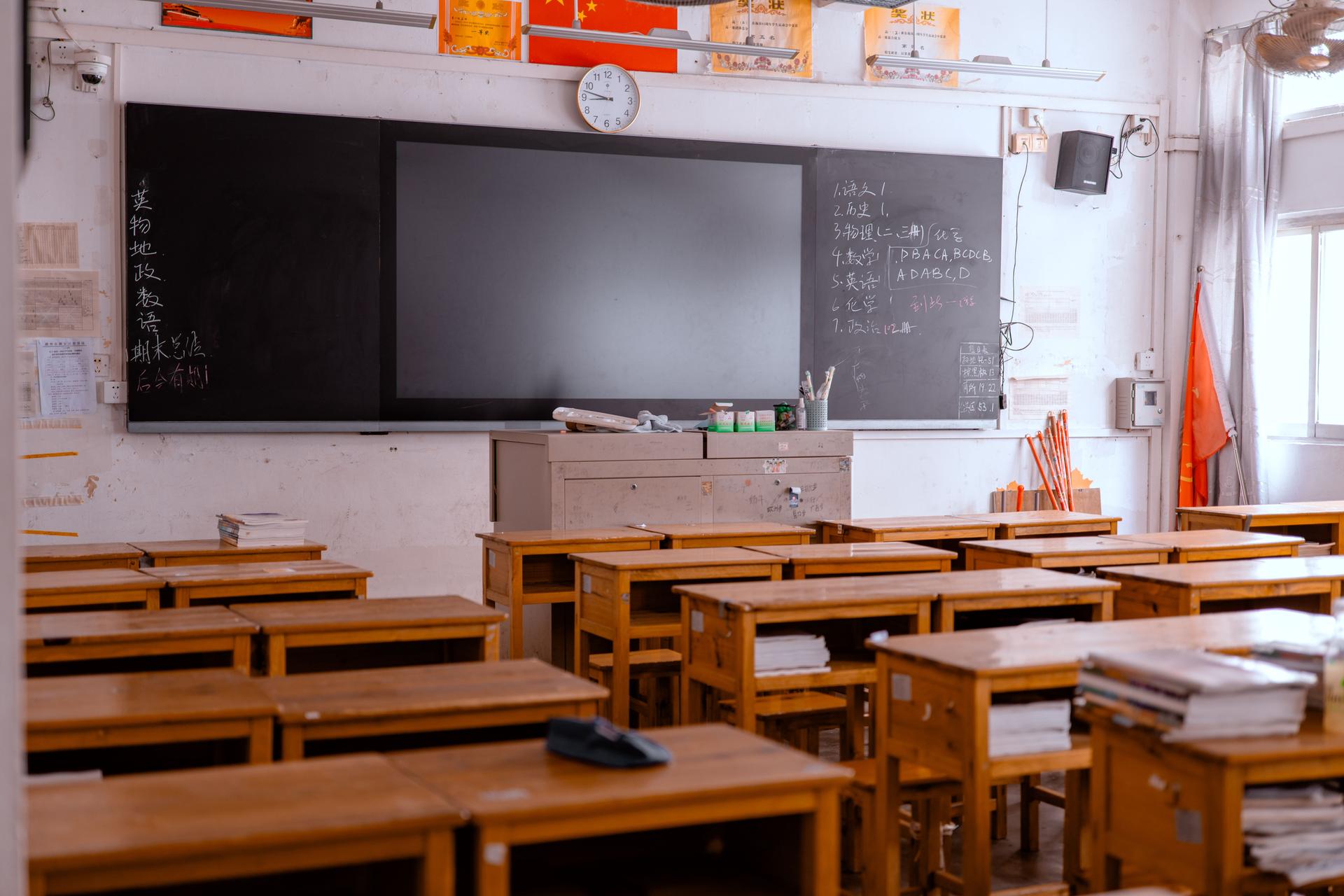
On the night of May 27, fire moved through a dormitory at Utumishi Girls Senior School in Gilgil, in Kenya's Rift Valley. By morning, sixteen students were dead and seventy-nine injured, according to the Daily Nation. Almost two weeks later, their parents gathered at the Naivasha Funeral Home expecting to finally carry their daughters home for burial, only to be told they would have to wait longer still while post-mortems and identifications were completed.
That single tragedy has become the opening line of a far longer story. In the weeks since, a wave of fires, walkouts and suspected arson has swept through Kenyan boarding schools, forcing dozens to send students home and turning the second school term into one of the most unsettled in recent memory.
For Kenyans living in Nairobi, the news arrives in real time. For the hundreds of thousands living in the United States, Britain, the Gulf and beyond — many of whom pay the school fees that keep a younger sibling, a niece, or their own child in one of these dormitories — it arrives as a phone call at an odd hour, and a helplessness measured in time zones.
A Fire That Set Off a Season
The Utumishi fire was the deadliest, but it was not isolated. On June 4, a fire broke out at Alliance High School in Kikuyu, one of the country's most prestigious institutions; investigators said boys were caught on CCTV and may have coordinated unrest with people outside the school. Days earlier, dormitories had burned at schools in Nakuru, Narok and Nyamira counties.
By the first week of June, the closures had spread across the map. The Daily Nation reported that at least fifteen schools in Trans Nzoia, Nakuru, Bomet, Kericho, Narok, Kisii and Nyamira had either shut indefinitely or sent learners home within a single week. In Nakuru alone, at least seven schools — among them Moi Forces Lanet, Naivasha Girls and Njoro Girls — released students after fire scares. At Kisii School, students allegedly torched the school captain's cubicle during a visiting day, sending parents who had travelled to see their children back home with them instead.
The pattern, educators told local media, was part grief and part contagion: real grievances over food, overcrowding and examination pressure, amplified by copycat behaviour after each new fire made the headlines.
The Diaspora Pays the Fees, and Waits for the Phone
Education is one of the quiet engines of Kenya's remittance economy. Money wired home from Atlanta, Manchester or Doha does not only build houses and cover hospital bills; it pays term fees, buys uniforms and textbooks, and keeps children in the national and extra-county boarding schools that promise a path upward. For a diaspora parent, a child in a good boarding school back home is both an investment and a reassurance — proof that distance has not cost the family its future.
A season of dormitory fires turns that reassurance into dread. A diaspora mother cannot drive to Gilgil or Kakamega when a WhatsApp message says her daughter's school is releasing learners as a precaution. She cannot sit in the emergency meeting between the Board of Management and the area education officer. She can only call, wait, and try to arrange — from thousands of miles away — for someone to collect a child who has suddenly been sent home in the middle of term.
The financial sting is real too. Visiting days interrupted, terms cut short and transport arranged at short notice all carry costs, often borne by the relative abroad. But the deeper toll is the one that never appears on a receipt: the worry of a parent who chose, in part, to leave precisely so that their children could be educated safely.
What the Ministry Is Promising
Kenya's government has moved to project calm and control. Education Cabinet Secretary Julius Ogamba told the Sunday Nation that schools had been ordered to increase the number of teachers on duty during evening study and in dormitory areas, to hold emergency Board of Management meetings to identify triggers before they escalate, and to comply with a standing ban on joint and mock examinations blamed for piling pressure on students.
The ministry is also expanding its inspectorate. Basic Education Principal Secretary Julius Bitok said the number of quality assurance officers was being raised from 600 toward 1,000, with a longer-term target of 2,000, and that the department was being rebranded as an Inspectorate of Schools to oversee facilities, counselling and student welfare. Officials stressed that only about 80 schools out of roughly 9,500 had been affected — more than 99 per cent, they noted, were operating normally — and ruled out any change to the academic calendar.
For families watching from abroad, those numbers cut both ways. They are reassuring in aggregate and cold in particular: the question a diaspora parent asks is not what share of schools are calm, but whether this school, tonight, is safe.
The Boarding School Question
Each cycle of fires reopens an older debate about the boarding model itself. In Parliament, lawmakers including Emuhaya MP Omboko Milemba and Rarieda MP Otiende Amollo have linked the crises to overcrowding and to the full-transition policy that pushed enrolment in national and extra-county schools beyond what many were built to hold. Others argue the problem is less about beds than about discipline, mental health and the thin counselling support available to teenagers under intense academic strain.
The names invoked in these arguments — Kyanguli, Endarasha, now Utumishi — form a grim lineage of Kenyan school-fire tragedies stretching back decades. For diaspora Kenyans who themselves passed through these dormitories a generation ago, the recurrence is personal. The institutions they trust with their children's futures are the same ones now appearing in headlines about smoke and arrests.
Watching the Smoke From Another Time Zone
The crisis remains fluid. New closures are announced almost daily; some schools reopen within a week, while others stay shut indefinitely as investigators sift through the wreckage. At the Naivasha Funeral Home, the Utumishi families are still waiting to bury their daughters.
For the diaspora, the story is a reminder that the bonds linking them to home are not only financial. The same network of fees and remittances that keeps a child in school also transmits, instantly, the fear when that school is no longer safe. They will keep sending the money, because the alternative — pulling a child out of education — is unthinkable. But this term, more of them are sending it with a knot in the stomach, and a phone kept close, waiting for the next call from home.