The Door That Closed in Whitehall: How UK's New Refugee Rules Trap Kenyan Families on Two Continents
Under the 2026 Core Protection model, Kenyan refugees in Britain face a £29,000 income wall and 30-month reviews that may keep their spouses and children stranded in Nairobi or Mombasa.
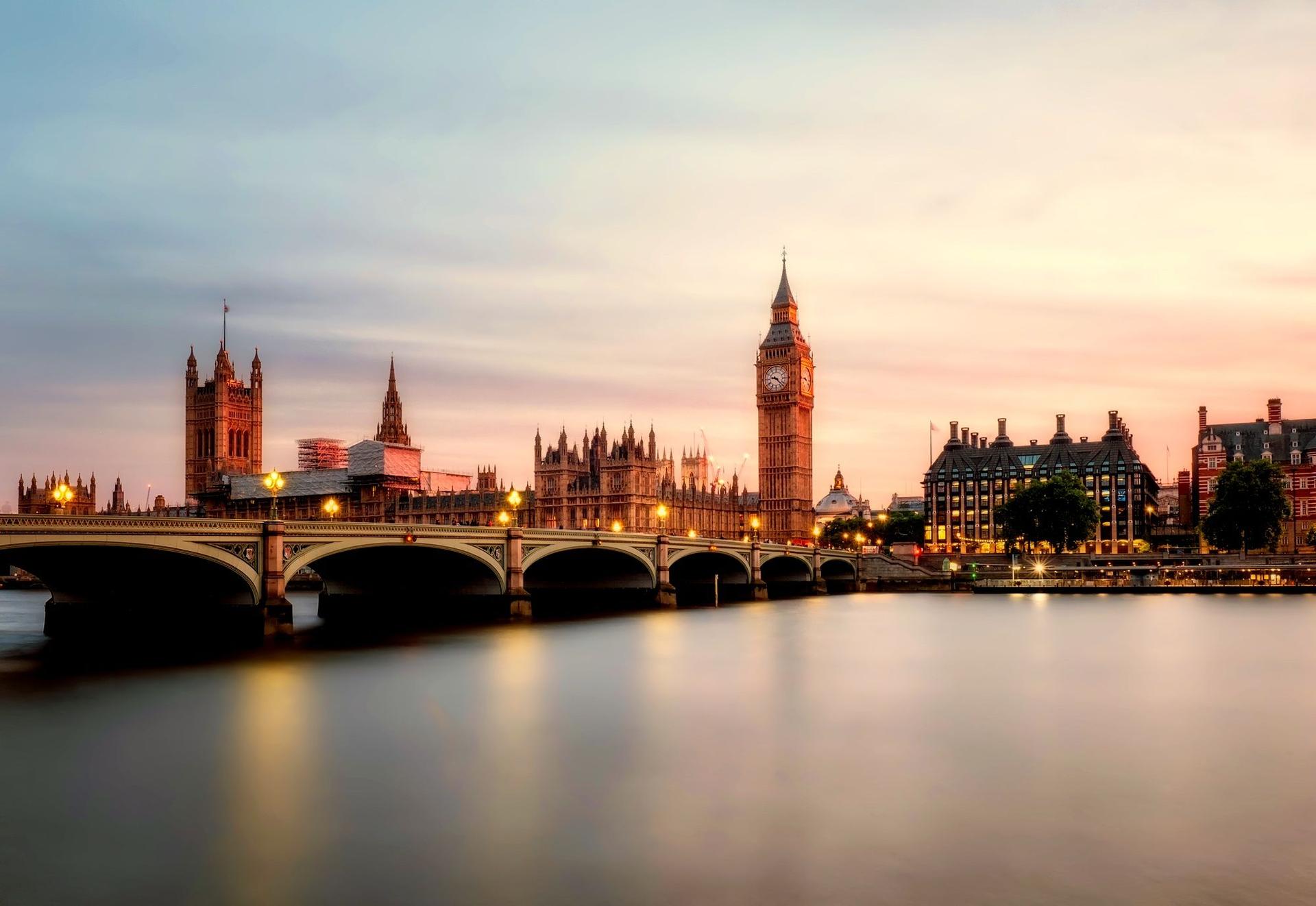
When Faith Wanjiru last spoke to her two children in Nairobi, the line dropped twice before she could finish a sentence about bedtime. She has been in Britain for fourteen months, sleeping in a shared house in north London with three other women who, like her, fled Kenya after years of escalating threats. The Home Office granted her refugee status in February. Until last winter, that ruling would have set the family on a path that ended in a small, predictable victory: a free family-reunion visa, a child standing in an arrivals hall, an embrace that other Britons take for granted. Under rules that came into force this spring, that path has been closed.
Faith's case is one of thousands now caught between two systems. Until 2025, refugees in Britain were granted five years of protection and entitled to bring spouses and minor children under a fee-waived humanitarian scheme. The Refugee Protection Rules 2026, championed by Home Secretary Shabana Mahmood and signed off by Prime Minister Sir Keir Starmer, replace that arrangement with a leaner, more provisional regime that Whitehall calls Core Protection. Recognised refugees now receive thirty months of leave, after which their cases are reviewed against conditions in their country of origin. The family reunion route has been suspended outright. To bring a partner or child from Nairobi, Kisumu or Mombasa, a refugee must now use the standard family visa route, the same one Britain applies to spouses of its citizens, with a £29,000 minimum annual income and substantial application fees.
The Door That Closed in March
The architecture of the new rules was set out in a written ministerial statement to Parliament in March 2026 and elaborated in subsequent Home Office guidance. The Electronic Immigration Network, which tracks legal changes for British practitioners, has described Core Protection as the most significant restructuring of refugee status in the United Kingdom in more than three decades. The phrase the government prefers is more measured. In her statement to MPs, Mahmood said the changes were necessary to respond to global instability and rising migration pressures, and that refugees should be prepared to return home where conditions allow.
For Kenyan applicants, the policy lands in a country whose own home government has, in recent years, taken a notably cooperative posture with Whitehall. Officials in Nairobi have prioritised bilateral trade and labour-mobility deals with European capitals over public criticism of asylum rules. President William Ruto's administration has signed memorandums on irregular migration and human trafficking with both the UK and the European Union, agreements that, in the official telling, are about safety, but that critics in civil society say also smooth the path for stricter European enforcement.
The £29,000 Wall
The income threshold is the part of the new system that British solicitors say will be most decisive for Kenyan families. Family visa applicants must demonstrate gross annual earnings of at least £29,000 before fees, the immigration health surcharge, and Home Office processing costs are added. For a refugee who arrived less than two years earlier, often without a CV or formal references that British employers will recognise, that target is steep. Many work in social care, cleaning, hospitality and night-shift logistics, sectors where median pay still sits well below the threshold.
Where the previous family reunion scheme charged nothing, the standard route carries application fees that, when stacked across a spouse and two children, can quickly run past £10,000. Practitioners contacted by trade publications have already begun to flag a likely surge in legal aid applications and judicial reviews, with several London firms anticipating early test cases.
Who Comes from Kenya to Britain
Kenyan asylum claims in the UK have always been a quiet minority of the system, but they are textured. Unlike refugees from Syria, Sudan or Afghanistan, who are most often fleeing armed conflict, Kenyans granted asylum in Britain tend to have made their case on individual grounds. Women escaping domestic violence whose families cannot or will not protect them. Political activists and journalists who have faced intimidation at home. LGBTQ+ applicants who say they cannot live openly in a country where same-sex relations remain criminalised. Home Office statistics show small but steady annual approvals over the past decade, with successful Kenyan claimants concentrated in London, Manchester, Birmingham and Leicester.
For this cohort, the thirty-month review carries particular weight. A women's rights activist from western Kenya can credibly demonstrate ongoing risk. A survivor of intimate-partner violence whose abuser still lives in her home village may find her ongoing fear harder to evidence in a case-review interview that runs on the calendar rather than on the contours of her life. Solicitors interviewed by British legal publications in March said they expected a sharp rise in the volume of fresh-evidence applications when the first reviews begin in the second half of 2028.
Nairobi's Quiet Response
Inside Kenya, the policy has provoked muted concern but no diplomatic confrontation. The office of Prime Cabinet Secretary Musalia Mudavadi has confined itself to general statements about supporting Kenyans abroad. A bill that would create a Diaspora Welfare Fund, intended to consolidate consular support and emergency assistance for Kenyans overseas, is moving through Parliament in Nairobi. Advocates in civil society have pushed for the fund's mandate to explicitly include legal aid for asylum cases, but the draft language remains broad.
For the families themselves, the most immediate question is timing. The new rules apply to decisions made from spring 2026 onward, which means Kenyans whose claims were lodged years ago but only granted this year fall squarely inside the new regime. Refugee organisations, including the Refugee Council and the British Red Cross, have argued in their submissions that the suspension of the family reunion route is the change with the gravest humanitarian consequences. The Home Office, in its impact assessment, conceded that prolonged separation may produce psychological harm but argued that the wider system required restraint.
What Comes Next
Faith is preparing, as many in her position are, to wait. Her solicitor has told her the standard family visa route is unrealistic for now. She is studying for an NHS healthcare assistant qualification that, in two or three years, might lift her wages closer to the income threshold. Her younger sister, who looks after the children in Nairobi, has begun to ask gently about the possibility that the separation could last a decade.
The policy will be tested politically over the next eighteen months. Conservatives in the House of Lords have pressed for an even tighter regime. Labour backbenchers, particularly those representing constituencies with large diaspora communities, have begun to query the family reunion suspension in private. A judicial review brought by a coalition of refugee charities is expected to be filed before the end of the summer. None of those processes will land in time for Faith's children, whose names she still teaches herself to say in a steady voice, one after the other, on the long bus ride home from work.


