The Cup Kenya Carried to Rome: How a Quiet Embassy Tasting at the FAO Reframed the Diaspora's Oldest Export
At FAO headquarters in Rome, Kenya poured something more than chai. For the diaspora that has carried Kericho's leaf into Europe, Asia and the Gulf, the moment was both pride and a small reckoning.
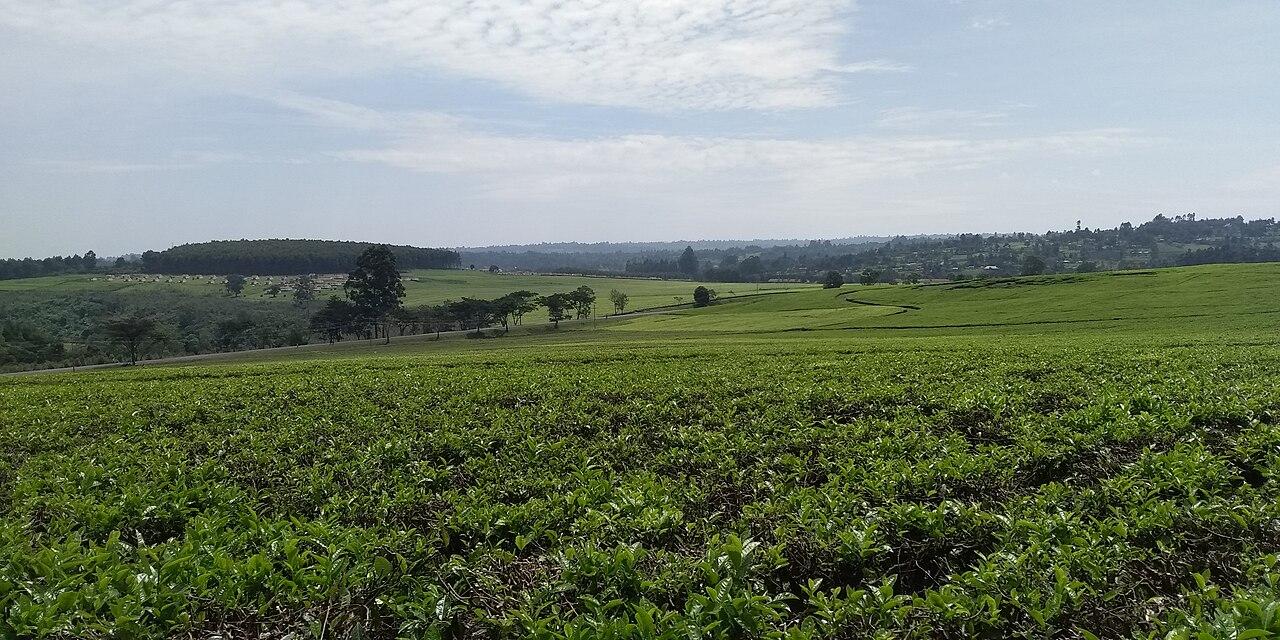
The room they gave Kenya inside the Food and Agriculture Organisation's headquarters in Rome was not large, but it smelled, for an afternoon, like Kericho. Trays of dry leaf sat next to small porcelain cups. Hot water was poured in the careful, almost reverent way that older Kenyan mothers pour it at home. Behind the table, Deputy Head of Mission Ambassador Rose Sumbeiywo introduced the country's tea industry to a circle of diplomats and FAO delegates who had probably tasted East African leaf a hundred times without ever being told its name.
For the Kenyan diaspora watching the photographs travel back across WhatsApp, the scene was both familiar and slightly disorienting. The same leaf so many of them have for years carried in suitcases through Heathrow and Schiphol and Doha — pressed flat into ziplock bags so it would not rattle on the security belt — was now being introduced inside one of the United Nations' most formal buildings as if it were a national treasure they had failed to celebrate at home.
A small room, a long argument
International Tea Day was created by the UN to do exactly this: to lift a working-class crop out of its supermarket aisle and ask a building full of policymakers to think about who actually grows the leaf in the bag. According to the Mwakilishi report on the Rome event, Ambassador Sumbeiywo used her moment to remind delegates that Kenya remains one of the world's leading tea producers, and that the industry still anchors a significant share of the national economy. The applause line, predictably, was about the smallholder farmer. The more interesting line was the quieter one: that this leaf, despite a global reputation, is still treated by many of its own consumers as background noise.
Inside Kenya, tea has always carried a slight inferiority complex. Coffee gets the magazine spreads. Chai is what is poured while the family is waiting for something else to happen. In Rome, for one afternoon, the order was reversed. The diaspora, scrolling on phones in Birmingham and Boston and Riyadh, found themselves arguing in the comments about whether they had ever taken Kenyan tea seriously enough.
The leaf the diaspora already carries
There is a particular kind of suitcase anyone who has lived in the Kenyan diaspora knows. The half-kilo of loose Kericho or Kangaita tucked between sweaters. The Ketepa packet wrapped in a t-shirt to keep the corners from tearing. The thermos that comes out at university meet-ups and church basements and weddings in Manchester. For a long time, this has been an invisible economy. No customs form captures it. No remittance report measures it. But every Kenyan abroad has, at some point, become an informal ambassador for the country's tea simply because their kitchen smells different from the neighbours'.
The Rome event matters because it puts a formal frame around that informal practice. When the embassy in Italy stages a tasting at FAO, it is not just a photo opportunity for the ministry back in Nairobi — it is a quiet permission slip for the diaspora to take its own tea more seriously. To stop apologising for the milky brew at the office kitchenette. To bring it out at dinner parties in Stockholm without the half-joke about it being "just chai." For Kenyans abroad, soft power often starts in the kitchen. The Rome tasting was a reminder of that.
What FAO actually said about the leaf
The conversation around the tasting was not entirely celebratory. According to the Mwakilishi account of the event, FAO-led discussions turned squarely toward the structural pressures on the global tea industry: climate change pushing growing zones uphill, fluctuating world prices squeezing returns to growers, and the long, slow argument over whether smallholder farmers will continue to bear the brunt of those swings.
For Kenya, none of this is abstract. The Kericho and Bomet highlands are already seeing wetter wet seasons and longer dry spells. Auction prices at Mombasa swing on factors as distant as Pakistani currency or Iranian sanctions. And the proposed tea levies inside the country's current Finance Bill debate have, in parallel, opened a separate national argument about who funds research, sensitisation and farmer support. The Rome conversation, in other words, was not happening in a vacuum. It was the international echo of a domestic question many Kenyans on the ground are already losing patience with.
Why the diaspora should care about a tasting
It is fair to ask, especially from the diaspora, why an embassy tasting deserves anyone's attention when so many other stories are crowding the week. The honest answer is that cultural diplomacy is one of the few tools a country like Kenya can use to compete in a world where its bigger neighbours have louder voices.
A Kenyan stand at FAO in Rome is not just decorative. It puts the country's name in front of the policy circles that write reports the World Bank reads, the negotiators who shape EU tariff schedules, and the philanthropic foundations whose grant programmes touch smallholder agriculture in East Africa. For the diaspora, this matters in two practical ways. First, it slightly raises the profile of Kenyan-origin produce in European supermarkets, which over time can lift premiums that filter back to Kericho through the supply chain. Second, it adds a layer of legitimacy to the diaspora's own attempts to organise food-and-culture businesses abroad, from tea bars in London suburbs to Kenyan stalls at agricultural fairs in Bavaria.
When a Kenyan-Italian small business asks a buyer in Milan to stock Ketepa next to the Ceylon and Darjeeling on the shelf, the buyer's first instinct is to ask whether the brand has any international standing. An embassy event at FAO does not answer that question on its own, but it moves the answer closer.
The quieter case for chai
There is also a cultural argument worth making, and the Rome event made it gently. Kenya's tea culture is not Japanese, with its formal choreography. It is not Moroccan, with its mint and silver. It is loud and improvised and stubbornly domestic. The kettle on a charcoal stove. The aluminium karai. The pot of milk that boils over once a month no matter how careful you are. Chai is what Kenyans drink when they are arguing about politics, comforting a relative, or trying to keep a child still long enough to listen.
It is not a small thing to place that ritual on a table inside the FAO. The tasting did not pretend the brew was anything other than what it is. The traditional brewing methods used were the same ones a grandmother in Bomet uses. That, in its own way, was the most assertive part of the diplomacy: the refusal to dress the leaf up for Rome.
A soft-power moment, carefully timed
Coming in a week when the diaspora's news has been dominated by deaths in Sydney and Seattle, by US green card uncertainty, by the Finance Bill's bite on remittance-funded travel, the tasting in Rome offered a different note. Not a louder one. A different one. It reminded the community abroad that being a Kenyan in the world also means carrying small, ordinary things — a packet of tea, a phrase in Swahili, a way of making a cup — that occasionally find their way into rooms where decisions are made.
By the time the cups in Rome were rinsed, the moment had already begun its quieter second life on group chats from Doha to Dallas, where a generation of Kenyans abroad was being reminded that the most exportable thing they carry is not always their CV. Sometimes it is the leaf in the cupboard, and the way they pour it for a stranger.