The 91 Percent: How Kenya's Debt-Servicing Crunch Quietly Reframes the Diaspora's Remittance Math
Treasury CS John Mbadi told MPs nearly all ordinary revenue will be eaten by debt service in 2026/27. Kenyans abroad, already sending record sums home, feel the squeeze moving toward them.
Every other Friday, the same quiet choreography plays out across the Kenyan diaspora. A nurse in Atlanta logs into her bank app. A care worker in Reading taps open a Sendwave wallet. A driver in Doha thumbs through WorldRemit. The amounts vary, the platforms vary, but the destinations rarely do. By Saturday morning the money has landed in M-Pesa wallets in Nakuru, Kakamega, Bungoma and Mombasa, and a familiar round of long phone calls begins.
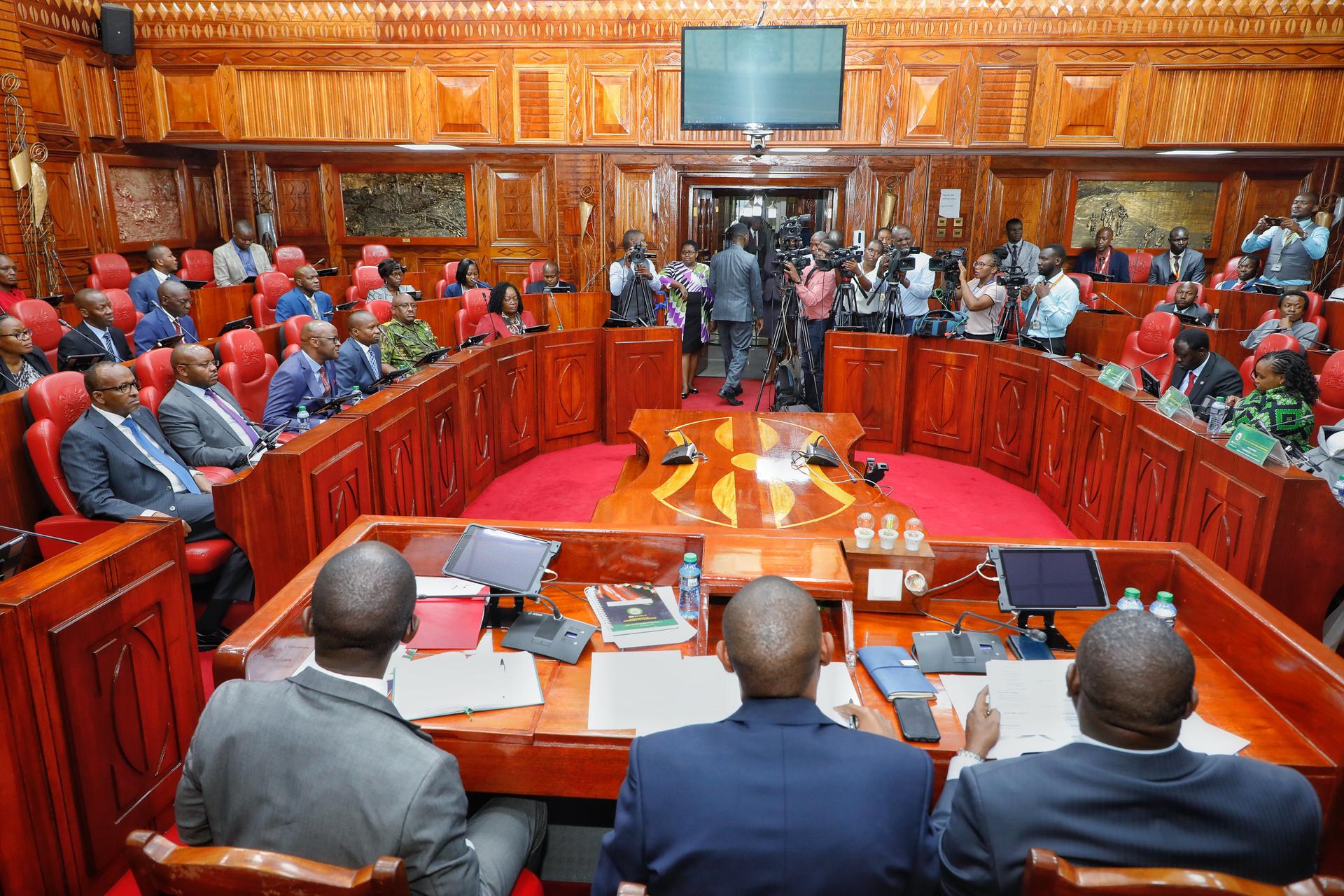
That choreography is now sitting on top of a Treasury number that should make every Kenyan abroad pause. On Tuesday, Treasury Cabinet Secretary John Mbadi told the National Assembly's finance committee that debt servicing is on track to consume 91 percent of Kenya's ordinary revenue in the 2026/27 financial year. The disclosure, first reported by People Daily and quickly echoed by The Standard and other Nairobi outlets, has rippled through policy circles in Kenya and through the diaspora groups that move money home every week.
The Treasury's Hard Math
The headline numbers are stark. Mbadi told MPs that Consolidated Fund Services requirements will rise to about KSh 2.56 trillion in the coming financial year, anchored by roughly KSh 986.7 billion in domestic interest payments and KSh 648.8 billion in domestic debt redemptions. Set those obligations against the ordinary tax revenue Treasury expects to collect, and there is almost nothing left for the schools, clinics and roads that Kenyans, at home and abroad, have spent decades trying to build.
Central Bank of Kenya Governor Kamau Thugge sat alongside Mbadi at the same committee meeting and trimmed the 2026/27 growth forecast from 5.5 percent to 5 percent. He pinned the downgrade on global shocks, including the long-running conflict in the Middle East and softer demand in Kenya's main export markets. Kenya's net debt-to-GDP ratio, Thugge noted, now sits near 64 percent, comfortably above the government's own 55 percent ceiling.
In Mbadi's own framing, the country has been "shifting resources from development to servicing debt" — a sentence that lands harder than the spreadsheets behind it.
How the Squeeze Reaches the Diaspora
For a Kenyan in Atlanta, Birmingham or Doha, the 91 percent figure is not just a Nairobi headline. It is a forecast about the next remittance cycle. When 91 cents of every ordinary shilling collected goes to lenders, three things tend to move in the same direction at the household level. Taxes rise, because the government has to scramble for revenue. The shilling drifts, because the country keeps importing capital. And public services thin out, because the development budget is the only line item left to cut.
Each of those movements walks straight into the diaspora's monthly transfer. A new excise duty in the Finance Bill 2026 — phone tax, gambling levies, EAC duty changes — lands first on the relatives receiving the money. A weaker shilling means the dollars or pounds wired home buy fewer school books than they did last term. A thinner public health budget shifts the cost of care onto family members, many of them sitting in nursing posts in Reading or warehouses in Riyadh.
Treasury knows the diaspora is part of the buffer. Kenyan remittance inflows hit roughly USD 4.95 billion in 2024 and have continued to climb through 2025 and into 2026, making the diaspora a quietly dominant source of foreign exchange — comfortably ahead of tea, coffee or tourism. That cushion has kept the shilling steadier than it would otherwise be. But cushions, as every household with a child at boarding school knows, eventually thin.
A Lifeline That Keeps Growing
The Central Bank's monthly diaspora remittances bulletin has charted the same trend for the past two years: inflows running consistently above USD 400 million a month, each release nudging the year-on-year line upward. The United States remains the largest source, followed by the United Kingdom, the Gulf states, Canada and a small but fast-growing Australian corridor. Saudi Arabia, in particular, has surged, reflecting both the growth of Kenyan labour migration and the rising share of women working in domestic and care roles in the Gulf.
These transfers have moved beyond fees, food and funerals. SACCO contributions, NHIF top-ups, plot deposits in Kiambu and Machakos and shares in Nairobi Securities Exchange-listed counters all flow through the same pipes. When Treasury issues new domestic debt, much of it is bought by the same banks and pension schemes that hold diaspora accounts. The diaspora is, in effect, lending to Kenya twice: once through remittances that prop up the shilling, and once through the financial system that recycles them into government paper.
What 2026/27 Looks Like From Abroad
The Finance Bill 2026 is now sitting in front of MPs, and the political fight over it is already loud. Pushback has been reported on a proposed phone-tax overhaul, on changes to EAC excise duties and on new gambling levies. Each of those provisions has a diaspora shadow. Phone tax raises the cost of the entry-level handsets relatives use to receive M-Pesa. Gambling tax cuts into a sector many diaspora households have small stakes in. EAC excise changes ripple across the regional supply chains that small diaspora-funded businesses depend on.
Kenyan officials have begun framing the debt-servicing squeeze as a temporary discipline. Mbadi has urged MPs to support measures to curb pending bills and tighten domestic spending. Thugge has tied the slower growth outlook to global, not domestic, factors. The political message is that this is a passing storm.
The math, however, is more durable. Even on the government's more optimistic glide path, debt servicing is expected to remain well north of 80 percent of ordinary revenue for at least two more financial years. Any external shock — a wider war in the Gulf, a sharper US tightening cycle, a flare-up around DR Congo — pushes that number up, not down.
The Long View From Atlanta and Beyond
In diaspora WhatsApp groups this week, the response to the 91 percent figure has been less anger than tired recognition. Many senders are themselves the children of Kenya's first big borrowing wave in the 1990s. They watched school fees rise as structural adjustment bit, and they have spent their working lives building a private safety net for relatives that the state can no longer fully fund.
What is new, organisers say, is the speed at which the squeeze is reaching them. A decade ago, a Treasury crunch landed first on civil servants and contractors. Now it lands on the phone bill, the school fee, the funeral collection and the side-business margin — all line items that the monthly diaspora wire is asked to plug. The 91 percent figure does not change the math overnight. It changes how often the phone rings.


