A Promise from Peterborough: How Gachagua's Shortened UK Tour Made the Diaspora a 2027 Battleground
As the former Deputy President cuts a planned month-long tour to a week, a weekend meeting in an East England cathedral city shows how opposition politics is reshaping itself around Kenyans abroad.
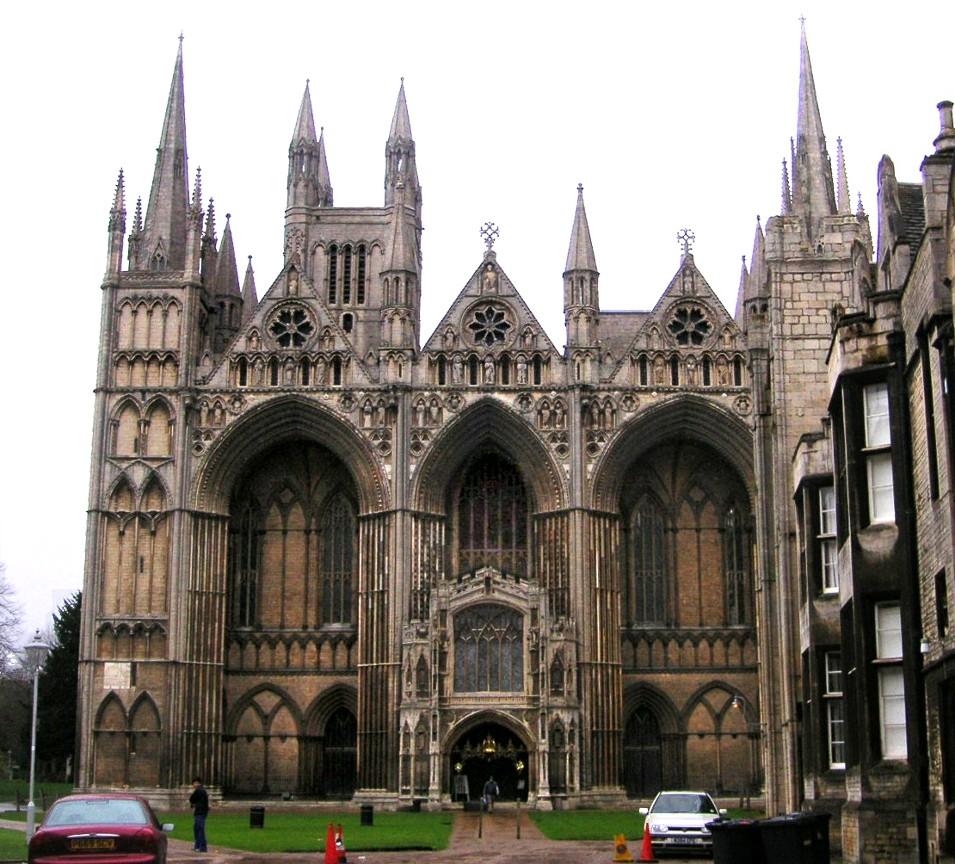
The Saturday evening that ran into Sunday morning in Peterborough did not begin in a hotel ballroom or a campaign office. It began in a hired hall on the edge of an English cathedral city, where Kenyans from the surrounding towns had brought folding chairs, tea flasks and small national flags pinned to lapels. By the time former Deputy President Rigathi Gachagua walked in, the room had taken on the warmth of a kesha — the long, unhurried gathering that East African churches host between vigil and dawn. The Democracy for Citizens Party leader thanked them for the welcome. He spoke of unity, of cohesion, of the country he believes Kenya should still be able to become. Their spirit of togetherness as Kenyans, he told them, brought back the kind of nation Kenyans deserve, cohesive and friendly, living in harmony at home as they were doing abroad. For a few hours, the politics of 2027 lived inside a Peterborough community hall.
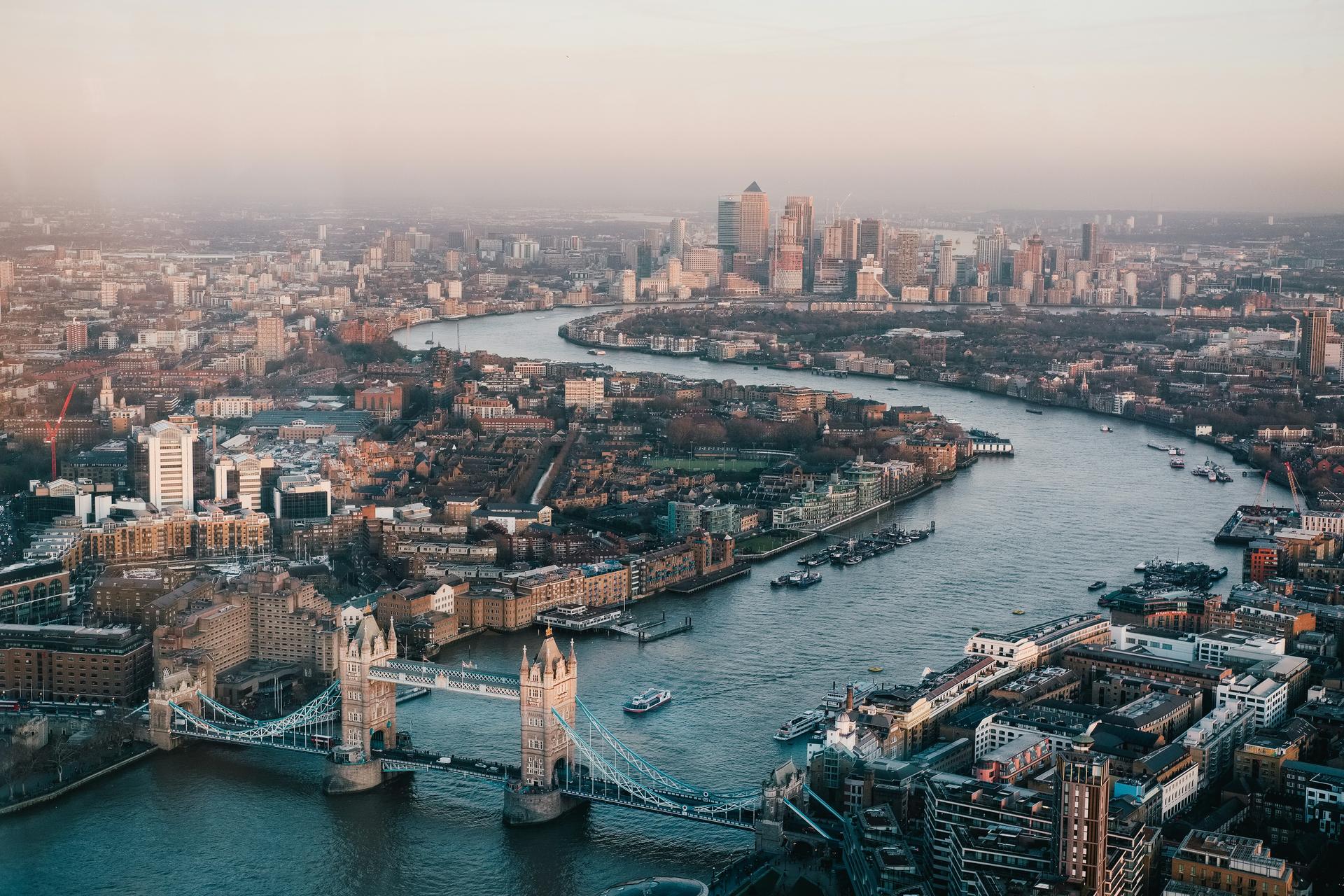
That meeting was the latest stop on what was supposed to be a much longer tour. The DCP had announced a month-long diaspora mobilisation, with planned stops in London, Swindon, Peterborough, the Midlands and the north. What Kenyans abroad are getting instead is a compressed week: a handful of cities, a few hundred handshakes, and an unmistakable pitch for their support before the next general election. The shortening is itself part of the story. So is the audience.
A Tour Cut Short by a Crisis at Home
Days before the Peterborough stop, Gachagua told reporters he would be returning to Kenya earlier than planned. The reason, he said, was the worsening cost of living: a sharp rise in fuel prices, ballooning transport costs and the daily strain those numbers place on ordinary households. He has spent weeks accusing the Kenya Kwanza administration of failing to shield citizens from those pressures, and he framed the curtailed trip as a duty to be present back home while families absorb each new pump-price adjustment.
For a tour built around diaspora outreach, the decision was double-edged. Cutting a long tour short can read as either responsiveness or improvisation, depending on which side of the political aisle the reader sits on. Among diaspora supporters in Peterborough, the explanation appeared to land. Many in the room had themselves left Kenya at moments when fuel inflation, school fees or job scarcity reshaped what was possible. The story of going home — even for politics — pulled at a chord they understood.
Why Peterborough, of All Places
Peterborough is not the loudest stop on a UK diaspora itinerary. London draws the crowds, the embassies and the cameras. Yet the cathedral city in the East of England has built up a steady Kenyan community over the past two decades, drawn by hospitality work, care-sector employment and the cheaper rents that pushed many away from the capital. Smaller towns like Swindon, Luton and Peterborough have become the quiet engines of UK-based Kenyan civic life — the WhatsApp groups, the chamas, the cultural nights that keep the language and the relationships alive when the working week is over.
That is precisely the audience opposition parties have begun to take seriously. A weekend gathering in Peterborough is not designed to be a media spectacle; it is designed to plant a flag in a network. The community there is small enough that everyone knows everyone, and large enough that a single afternoon of conversations can ripple back to Nairobi by Monday morning. For a politician trying to build a national brand on the idea of cohesion, those rooms are unusually fertile ground.
The Fake-Letter Episode
The tour has also produced an awkward subplot. A letter circulating online claimed Gachagua had requested a meeting with British Prime Minister Keir Starmer, framing the trip as a diplomatic encounter rather than a political mobilisation. The British High Commission in Nairobi quickly dismissed the document as fake. It was a small episode, and it passed quickly, but it underlined something larger about diaspora diplomacy: every move by a senior Kenyan politician abroad is now scrutinised through a wider lens, and every claim of access to a foreign government carries political weight at home.
The denial settled the question without escalating it, and the tour rolled on. What it did demonstrate is that the British government, like the American one before it, is increasingly careful about distinguishing between political party tours and state engagements. For Kenyan opposition leaders trying to draw the prestige of London into their domestic narrative, that line will not be an easy one to walk.
From Outreach to Influence
Gachagua's tour arrives at a moment when the Kenyan diaspora is becoming a political actor in its own right. The Independent Electoral and Boundaries Commission has just confirmed it intends to expand diaspora voting to more than a dozen new countries before the 2027 polls — a policy shift that, if delivered, would multiply the number of registered Kenyan voters living abroad. For the first time in the country's electoral history, the diaspora vote is moving from symbolic to numerically meaningful.
That is why a single photograph from Peterborough matters more than it appears to. Opposition parties cannot ignore a constituency that is about to grow several times over. Neither can the ruling coalition. The competition for diaspora attention — for cultural events, for branded WhatsApp groups, for slots at Saturday gatherings — is going to intensify, and the parties that move first will set the tone for everything that follows.
Diaspora audiences, for their part, are not as easy to court as the campaign playbooks of an earlier decade once imagined. Many in the Peterborough hall on Saturday have lived through three British prime ministers and three Kenyan presidents in roughly the same span of years. They have watched promises of structured engagement come and go. They will likely judge Gachagua, and every politician who follows him to a UK community hall, by what happens between the visits — by whether the questions they raise about visa fees, repatriation costs, dual citizenship and remittance taxes find any traction in Nairobi.
The Stakes for 2027
The DCP leader will fly home in the next few days with photographs, footage and a clearer sense of which UK cities are willing to host him again. He will also fly home into the cost-of-living debate he cited as his reason for leaving early. The two arguments — the diaspora as the country Kenya should aspire to be, and the country as the place no opposition leader can afford to ignore — will sit awkwardly side by side in his next round of press conferences.
For Kenyans in Peterborough, the meeting will be remembered less for what was said than for what was implied: that the politics of the next election is being plotted, in part, in places like theirs. Whether that recognition translates into policy — into faster passport renewals, lower visa surcharges, a working diaspora desk in Nairobi — will depend on more than weekend gatherings. But the gatherings, for now, are how the relationship gets built. And the room in Peterborough, by every account, was full.