A Church Hall in Aurora: How Kenya's Three-Day Consular Clinic Reaches the Mountain West Diaspora That Lives Beyond a Single Embassy
From Thursday through Saturday, the Kenya Consulate in Los Angeles sets up at a small Aurora church to process passports and IDs for Kenyans who would otherwise drive a thousand miles for a single signature.
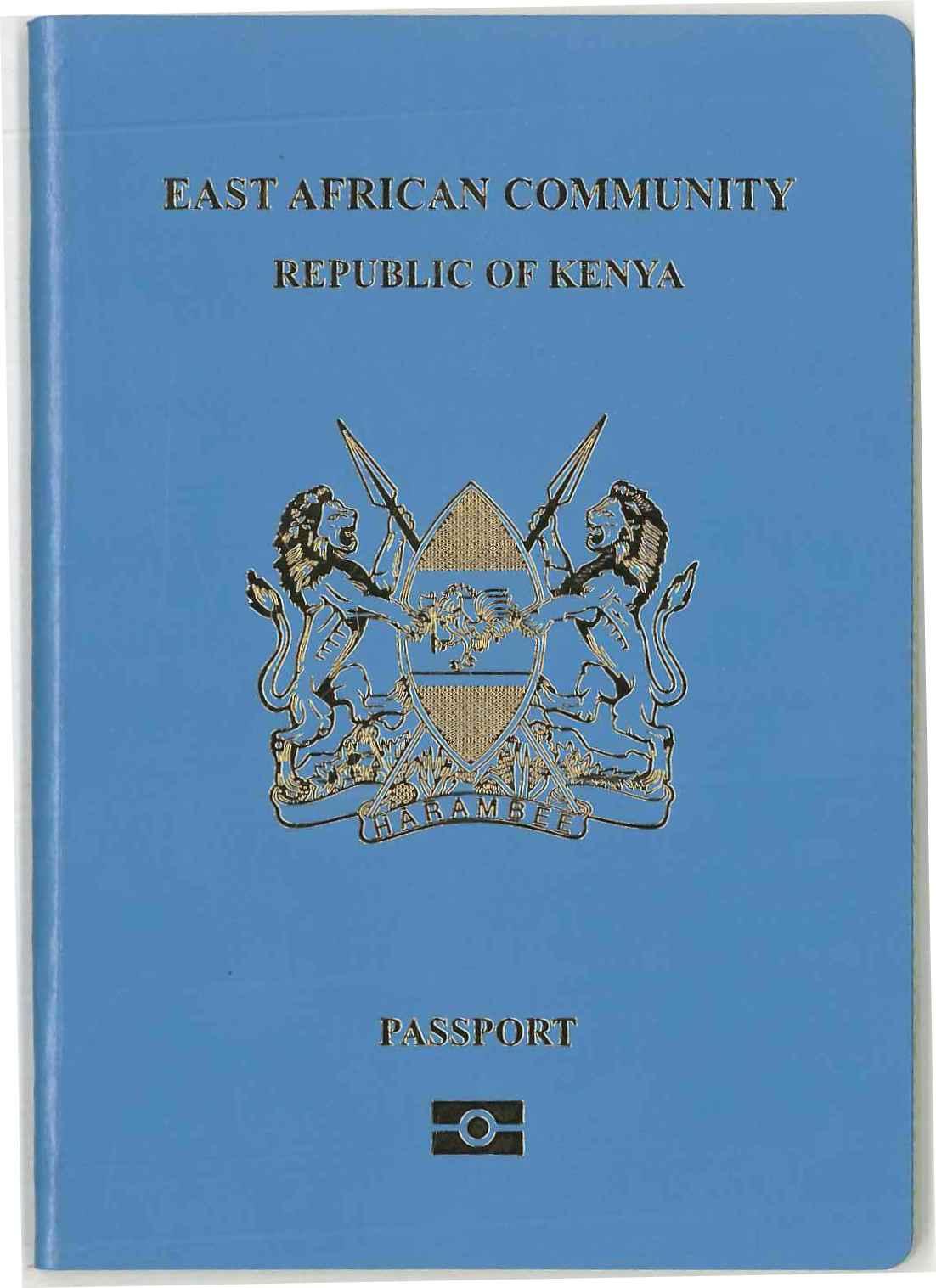
The Wellsprings of Joy Church sits on a strip of E Bethany Drive in Aurora, Colorado, behind a small parking lot that fills before nine in the morning when there is something to be claimed inside. This Thursday, what is being claimed is a passport. Or a birth certificate. Or a police clearance letter that an employer in Denver, or a landlord in Wyoming, or a Kenyan court back in Eldoret will require before a life can move forward. For three days, from June 4 to June 6, the small suite that on a Sunday holds a praise band will hold a queue of Kenyans who otherwise would have had to choose between driving twelve hundred miles to Los Angeles, taking unpaid days off work, or letting the document expire and the life it papers expire with it.
This is what the Kenya Consulate in Los Angeles calls a Mobile Consular Outreach, and the Aurora stop is the latest in a quietly expanding programme that the State Department for Diaspora Affairs has been threading through American cities where Kenyan communities cluster but a Kenyan flag does not yet fly. Earlier this year, the same outreach team set up in Auburn, Washington, in mid-April; it has since pencilled in stops in Seattle, Dallas, and Kansas City. Aurora, sitting at the eastern edge of the Denver metropolitan area, is the Mountain West's turn, a region the consulate has been told repeatedly, in its Facebook inbox and its phone log, that it has been missing.
What the three days will offer
According to the consulate's notice, the clinic at Wellsprings of Joy Church, at 11059 E Bethany Drive, Suite 214, will run daily from 9:00 a.m. to 5:30 p.m. through Saturday. The services on the table are the familiar ones, but they are not small: passport renewals, applications for police clearance certificates, national identity cards, birth certificates, and a handful of additional civil-status processes that the consular staff will handle on a walk-up basis. Officials have asked applicants to bring their existing passports, ID cards, birth certificates, and any payment confirmations they may already hold; the queue, organisers have warned, will move faster for those who arrive with the right documents already in hand.
The clinic is being organised in partnership with the State Department for Diaspora Affairs, the Nairobi-based office that has, over the past two years, made these mobile clinics one of its more visible commitments to the more than half a million Kenyans believed to live in the United States. Organisers expect the Aurora session to draw hundreds across the three days.
Why the Mountain West needs a clinic of its own
The figures behind the queue are worth pausing on. Kenya operates only a handful of consular missions across the United States, namely the Embassy in Washington, D.C., and the consulates in New York and Los Angeles. For a Kenyan family living in Cheyenne, in Billings, in Boise, or in the Dakotas, every routine document renewal is a logistics problem. A new passport requires a personal appearance. So does a biometric ID card. From most of the Mountain West, a same-day round trip to Los Angeles is not possible by car, and a one-way flight with hotel and meals can run into four figures before the consular fee is even paid.
For a community whose median wage sits in the home-health-aide and warehouse-shift bracket, that arithmetic is the difference between renewing a passport and letting it lapse. A lapsed Kenyan passport, for a green-card holder or a work-visa worker in the United States, is not a small administrative hiccup. It can interrupt employment authorisation renewals, complicate travel back to bury a parent in Murang'a, and stall the inheritance paperwork that follows a death back home.
That is the gap the Aurora clinic is meant to bridge. By bringing a passport printer and a biometric kit to a church hall a forty-minute drive from Denver International Airport, the consulate is, in effect, collapsing what would have been a two-thousand-mile journey into a forty-minute one.
A pattern, not a one-off
The Aurora stop sits inside a broader push. In April, Daily Nation reported that the Kenyan Embassy was running a fresh round of mobile consular services across Seattle, Dallas, and Kansas City, beginning in Auburn, Washington, from April 17 to 19. That programme, written up by the embassy's contributing columnists, framed the mobile clinics as a deliberate response to a complaint that has been repeated at every Kenyan diaspora dinner of the past decade: the brick-and-mortar consulate network in the US has not kept pace with where Kenyans actually live.
Diaspora Affairs Principal Secretary Roseline Njogu, whose office has been driving the programme, has pitched mobile services as a stop-gap until additional consular posts can be opened, and as a way to gather, in person, the kind of welfare and policy intelligence that does not travel through email forms. Who is unwell. Who has been deported. Who is owed wages by which employer. Who has died abroad and whose remains the family back in Kenya cannot yet repatriate.
What the clinic does not solve
It is worth being honest about what three days in a church hall will not fix. The Aurora clinic cannot adjudicate US immigration cases. It cannot replace the role that a full consulate plays in trade promotion, in cultural diplomacy, in routine welfare visits to detained Kenyans across the federal prison system. It cannot offer the same range of services that a Kenyan passport office in Nairobi can; certain document categories will still have to be referred back to Nyayo House, with the delays that implies.
And it cannot guarantee that the Mountain West will see another such clinic soon. The consulate has not yet published a 2026 calendar of mobile outreach stops beyond the current cycle, and Kenyan community leaders in Denver have said publicly that the schedule, when it lands, will determine how many of their members make the trip this week versus how many wait for a closer stop.
The quieter test: turnout
The number that the consulate, and Nairobi, will be watching most closely is turnout. A mobile clinic that draws three hundred applicants is a programme worth scaling. One that draws thirty is not. Kenyan community organisations in Denver, Aurora, Colorado Springs and the surrounding metros have been pushing the word through WhatsApp groups, Facebook pages, and Sunday-service announcements for the past two weeks.
If the queue down E Bethany Drive on Thursday morning is long, the case for more clinics, in Atlanta, in Houston, in Minneapolis, in the smaller Kenyan diaspora hubs scattered across the American interior, becomes harder for Nairobi to ignore. If it is short, the policy lesson will be a different one entirely.
For three days in Aurora, the question is how many show up.