A Carer's Last Shift: The Killing of Irene Mbugua and the Hidden Risks Facing Kenyan Caregivers in Britain
A British court has jailed David Walsh for life over the 2025 killing of Kenyan caregiver Irene Mbugua. Her family says her death exposes a wider danger to thousands working alone in UK homes.
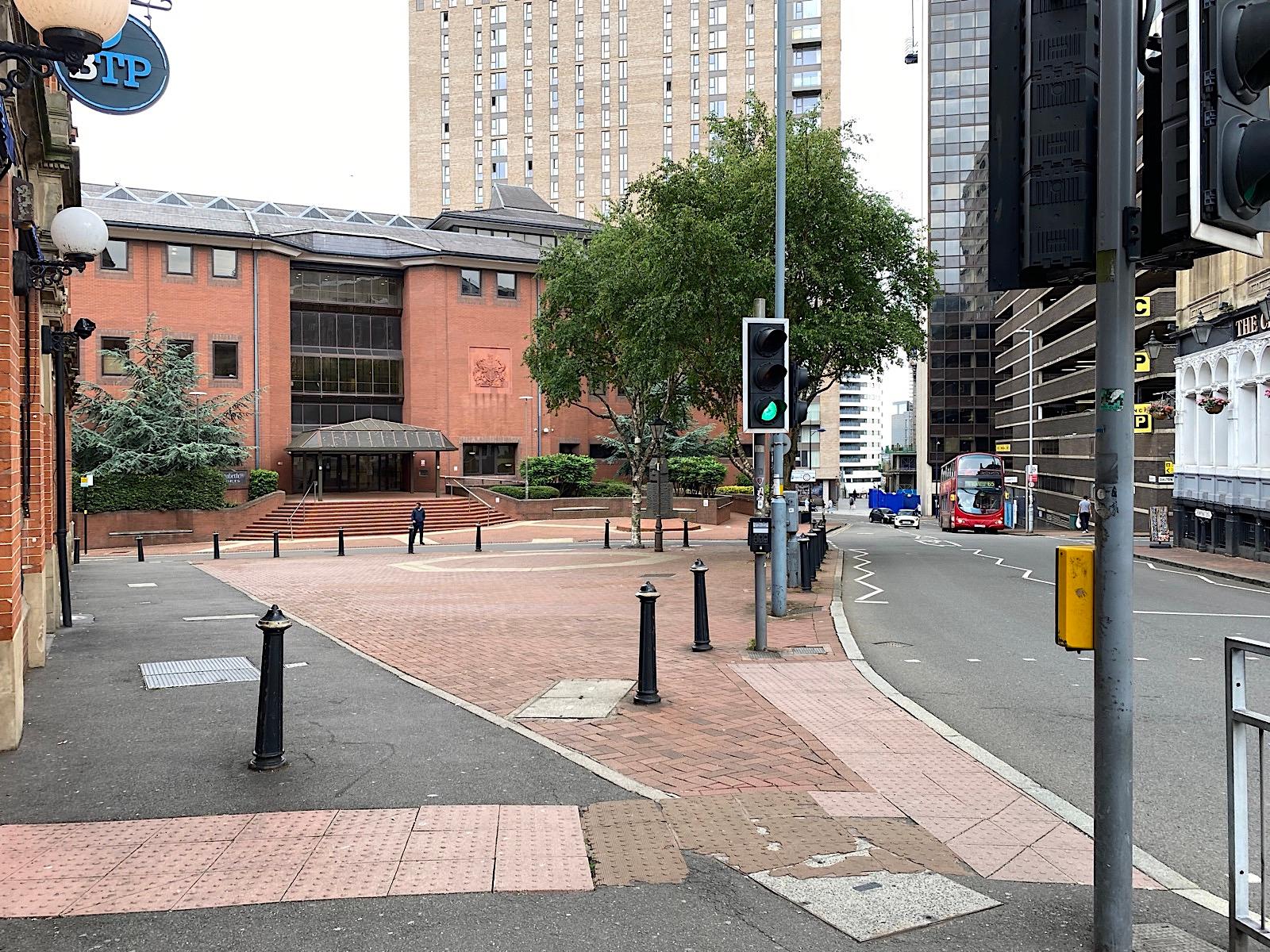
The terraced street in Winson Green has the practical anonymity of any working-class corner of Birmingham. A row of red-brick fronts, satellite dishes, wheelie bins, the low hum of buses on the Soho Road. On a summer evening in June 2025, neighbours along Markby Road heard screaming from one of those houses. Some called the police. By the time officers forced the front door days later, they would find a Kenyan woman dead inside and a man, naked and erratic, who had to be subdued with a taser.
The woman was Irene Mbugua. She was 46 years old, a mother of four, and she had been working as a live-in carer for the man who killed her. Last week, almost a year after she was found, a judge at Birmingham Crown Court told the killer that the harm he had inflicted on Mbugua's family was "profound and lifelong." David Walsh, 35, was sentenced to life imprisonment, with a minimum term of 12 years before he can be considered for parole.
For Kenyans in Britain, the verdict does not so much close a case as open a conversation many have been having quietly in WhatsApp groups and church basements: who is looking after the people who look after others?
Who Irene Mbugua Was
According to the Kenyan diaspora outlet Mwakilishi, Mbugua came to the United Kingdom about two years before her death, joining the thousands of African women who hold up Britain's adult social care sector. She was originally from Kenya and, like many Kenyan migrants in the West Midlands, had been working in the home-care industry, where staff move between private houses or live in with vulnerable clients. The role is intimate and isolated by design. There is rarely a colleague in the next room.
Mbugua's family has not released a public photograph or detailed life story. What is on the public record is what she was doing on the day she died: her job.
What Happened on Markby Road
Prosecutors told Birmingham Crown Court that on the evening of 21 June 2025, Walsh strangled Mbugua and then struck her repeatedly with a brick. A post-mortem examination found severe head and facial injuries, fractures to her skull and ribs, and a brain bleed. CCTV captured nearby residents reporting screams from the property around the time investigators believe the attack took place.
After the killing, the court heard, Walsh attempted to hide what he had done. He moved Mbugua's body behind a sofa. He left water running upstairs, which flooded the house badly enough that part of a ceiling collapsed. Police later recovered the brick, sealed inside a plastic bag, inside the property. In the days that followed, before her body was discovered, Walsh used Mbugua's bank card to make purchases.
When officers finally entered the home, they found him naked, behaving erratically, and resisting arrest. He was subdued with a taser and went on to assault several emergency workers during the operation. Toxicology testing later confirmed cocaine in his system.
A Plea, a Sentence, and a Judge's Words
Walsh had a long medical history. According to the local UK broadcaster Hits Radio Birmingham, he had been diagnosed at various points with paranoid schizophrenia, autism, Asperger's, ADHD, learning difficulties and depression. Evidence in court showed that, in the months before the attack, he had stopped taking his prescribed antipsychotic medication and had disengaged from mental health services.
Originally charged with murder, Walsh entered a guilty plea to manslaughter on the grounds of diminished responsibility on the second day of his trial at Warwick Crown Court in February 2026. He also admitted four counts of assaulting emergency workers. Sentencing was reserved until last week, when Mr Justice Wall, sitting at Birmingham Crown Court, handed down the life term with a 12-year minimum tariff.
The judge described the attack as "brutal and motiveless." Detective Inspector Michelle Cordell of West Midlands Police, speaking after the sentencing, called the case "heartbreaking," noting that Mbugua had lost her life while simply carrying out her duties as a carer.
"Thousands of Irenes"
In a statement issued after the sentencing, Mbugua's family described her death as "cruel and devastating." But they did not stop at grief. They turned, pointedly, to policy.
"Our concerns are there are thousands of Irenes out there who may be at risk," they said. "This is so sad, it could, and should have been avoided."
That single sentence is now circulating among Kenyan nursing and caregiving networks in the United Kingdom. The British adult social care workforce relies heavily on migrant labour, and a substantial share of that labour is African and female. Many of those workers operate alone in private homes, often overnight, often as the only person responsible for clients who may have severe mental health conditions. Risk assessments exist on paper. In practice, carers say, the information that reaches them about a client is often patchy, and the worker who arrives at the door with a suitcase is usually the one with the least power in the arrangement.
Britain's care regulators have long flagged lone-working safety in domiciliary care as a concern. The Mbugua case forces the question back to the surface: when a vulnerable adult with severe psychiatric illness, a documented history of disengaging from treatment, and an undisclosed substance use problem is paired with a live-in carer from overseas, whose responsibility is it to draw the line?
What the Kenyan Diaspora in Britain Is Asking Now
In Birmingham, Manchester, London and Leeds, where much of the Kenyan-born population in the United Kingdom is concentrated, the immediate response has been practical. Community channels are circulating safety advice for new arrivals: ask for a written risk assessment, refuse to take a placement until a face-to-face handover with the previous carer is arranged, keep a charged phone within reach and a trusted contact on speed-dial at every shift change.
There is also a slower, harder conversation underway. Many Kenyans who come to the United Kingdom for care work do so on Health and Care Worker visas tied to a specific sponsor. Speaking up about an unsafe placement can carry an implicit cost. Walking away can put a visa in jeopardy. Inside Kenyan caregivers' networks in the UK, voices have been growing for a sponsor-neutral way to raise the alarm about unsafe placements — a route that does not run through the very employer a worker may want to escape.
None of that brings Irene Mbugua back. But the sentence handed down at Birmingham Crown Court last week, and the family statement that accompanied it, have already done what verdicts sometimes do: they have turned a private tragedy into a public demand. For now, that demand is small and specific. Tell us who we are caring for. Make it safer for us to say no. Do not let another Kenyan woman die alone, on a quiet Birmingham street, while she is doing her job.