"UK Struggle Life" vs. Quiet Success: Why Nigerians Thrive in Australia But Vent Frustration From Europe and North America
While Nigerian migrants in the UK, US, and Canada flood social media with stories of multiple jobs and rising rents, Nigerians in Australia and New Zealand remain noticeably quieter — and migration experts say it's becau
On Nigerian social media, one pattern stands out with striking consistency: Nigerians living in the United Kingdom, Canada, the United States, and parts of Europe frequently post videos and threads describing how hard life abroad has become. TikTok trends like "UK struggle life" or "Canada no dey easy" regularly go viral. WhatsApp groups in Europe circulate daily warnings about rising rents and unstable job markets. Nigerian migrants in the US share videos about working multiple shifts just to cover healthcare costs.
Yet across Australia and New Zealand, Nigerians remain noticeably quieter.
The disparity raises an important question: why does the same Nigerian migration story produce such different levels of public frustration? Migration experts, economists, and everyday Nigerian migrants point to a mix of economic environment, job markets, immigration pathways, and lifestyle differences. And the data suggests a surprising conclusion: Nigerians in Australia and New Zealand are simply doing better.
Cost of living: expectations vs. reality
For many Nigerians in Europe and North America, life abroad feels tougher than expected. In London, a Nigerian student pays £1,100–£1,400 per month for a single room, often sharing bathrooms and kitchens with several occupants. In Dublin, a Nigerian family of four spends nearly €2,500 in monthly rent, excluding childcare. In Toronto, rent for a one-bedroom apartment in the inner suburbs averages CAD $2,400, while wages for entry-level jobs often hover around CAD $18–$22 per hour — leaving little after rent, food, and transportation.
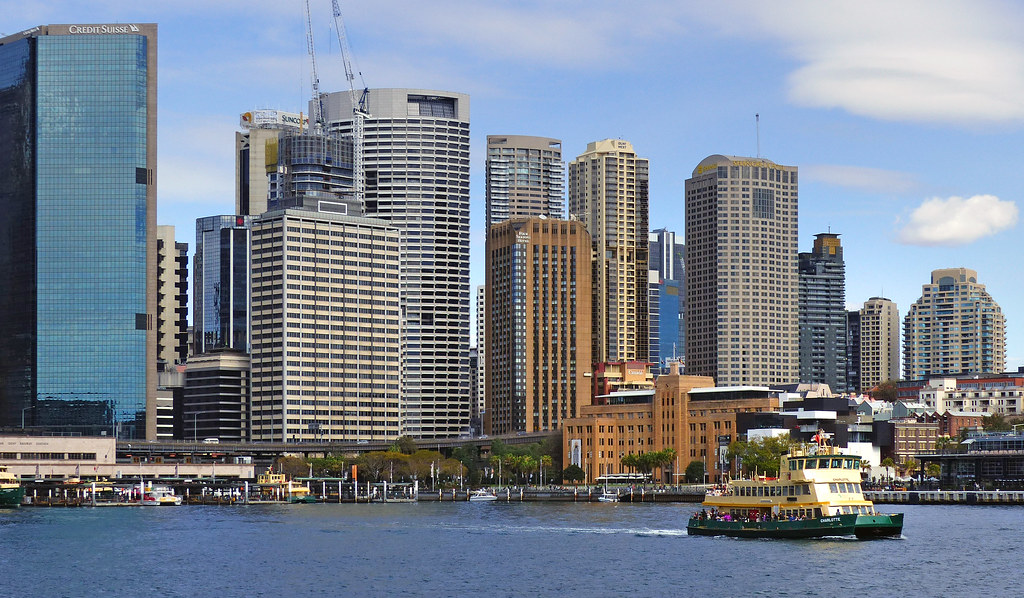
In contrast, while Australia and New Zealand are not cheap, the cost of living is more closely aligned with wages. A Nigerian nurse in Sydney earns between AUD $70,000 and AUD $85,000 annually, with rent for a shared apartment averaging AUD $1,200–$1,600 per month in suburban areas. The ratio of income to essential expenses is more manageable, leaving room for savings and remittances.
"For many Nigerians in Europe and North America, life abroad feels tougher than expected," according to analysis by Dr. Roy Chikwem, an immigration expert practising in both Australia and New Zealand. "The louder frustrations coming from Europe, the UK, Canada and the USA are rooted in real challenges — high cost of living, unstable immigration pathways, and job barriers. The quieter satisfaction from Australia and New Zealand reflects stronger professional outcomes, clearer migration systems, and calmer lifestyles."
Professional recognition: working in your field vs. "survival jobs"
One of the sharpest differences lies in professional recognition and job access. In the UK, a Nigerian engineer may work as a care assistant for years before obtaining certification to practice in their field. In Canada, even master's degree holders often begin their journey in "survival jobs" like warehouse work, security, or Uber driving. In the US, licensing and re-certification delays push many qualified professionals into unrelated roles, often for years.
In Australia and New Zealand, the job market actively pulls in skilled migrants because of severe labour shortages. Nigerian nurses, teachers, social workers, and engineers frequently secure jobs within weeks of arrival. Many Nigerian families report transitioning into middle-income lifestyles faster than friends in the UK or Canada.
Australia currently lists over 110 occupations on its Skilled Shortage list, and New Zealand lists over 80 — many of which match common Nigerian qualifications. This strong alignment between skills and employer demand reduces frustration and increases satisfaction.
"Nigerian nurses, teachers, social workers and engineers frequently secure jobs within weeks of arrival," according to a March 2026 analysis in Vanguard News. "Many Nigerian families report transitioning into middle-income lifestyles faster than friends in the UK or Canada."
The contrast is stark. In London or Toronto, a Nigerian accountant might spend two years retraining, passing local exams, and working part-time gigs before landing a job in their field. In Melbourne or Auckland, that same accountant is far more likely to find work quickly, often with employer sponsorship that provides a pathway to permanent residence.
Immigration pathways: clarity vs. uncertainty
Another major factor is the clarity and stability of immigration systems. Canada, the UK, and the US have implemented increasingly restrictive immigration policies in recent years. The UK has tightened post-study work visas, banned family members from accompanying most postgraduate students, and raised salary thresholds for skilled worker visas. The US has partially suspended visa issuance for Nigerians since January 2026, with 46.51% of visa applications refused in fiscal year 2024. Canada, despite being marketed as welcoming, has also introduced caps on international student admissions and made permanent residence pathways more competitive.
Australia and New Zealand, by contrast, offer clearer and more predictable pathways. Australia's skilled migration system actively recruits workers in shortage occupations, offering visas that lead directly to permanent residence. New Zealand's post-study work visas allow graduates to stay and work for up to three years, with straightforward pathways to residency for those in in-demand fields.
"What we are witnessing is a convergence of policy tightening across major economies," Nigerian economic analyst Ayo Teriba explained in a recent interview. "Each country is responding to domestic pressures, but collectively, the effect is a shrinking migration space for countries like Nigeria."
Social media dynamics: loud communities vs. quiet ones
Nigerians in the UK, USA, and Canada form some of the largest Nigerian diaspora communities worldwide, and their social media presence is louder and more influential. TikTok trends like "UK struggle life" or "Canada no dey easy" regularly go viral. Nigerian migrants in the US frequently share videos about multiple shift jobs and high healthcare costs.
In contrast, Nigerians in Australia and New Zealand form smaller, tight-knit communities that often prioritise privacy, stability, and low-profile living. The culture in both countries also discourages public complaining. A quieter online community naturally produces fewer viral frustration posts.
That does not mean life in Australia or New Zealand is without challenges. Racism exists, housing is expensive in cities like Sydney and Auckland, and the distance from family in Nigeria is profound. But the combination of better job prospects, clearer immigration pathways, and a more balanced cost-of-living-to-income ratio means that Nigerian migrants there face fewer of the systemic frustrations that drive viral complaint posts from other destinations.
The remittance equation
Remittances are another consideration. Nigerians in the UK, US, and Canada often struggle to send money home because their incomes are consumed by rent, bills, and survival expenses. Nigerians in Australia and New Zealand, with more disposable income relative to expenses, are often able to remit more consistently — which in turn reinforces the perception that migration to those countries is "working."
According to the Nigerians in Diaspora Commission, Nigerian diaspora remittances reached approximately $21 billion in 2024, making Nigeria the largest recipient of remittances in Africa. But the distribution of those flows reflects migration outcomes: destinations where Nigerians earn well and have stable immigration status contribute disproportionately.
What it means for future migration
The contrast between Nigerian experiences in different destinations is reshaping migration decisions. Increasingly, Nigerians with skilled qualifications are looking beyond the traditional trio of the UK, US, and Canada. Australia, New Zealand, Germany, and even the Gulf states are gaining traction as alternative destinations.
For prospective migrants, the lesson is clear: destination matters as much as the decision to leave. The "abroad" that promises opportunity in one country may deliver struggle in another.
What to watch
Nigeria's visa restrictions with the US remain in effect, with no clear timeline for resolution. The UK is expected to announce further immigration policy changes in mid-2026. Australia's skilled migration program is under review, with potential expansion of shortage occupation lists expected by July 2026. New Zealand's government has signaled a commitment to maintaining accessible migration pathways for health and education workers, critical sectors where Nigerians are already well-represented.
Reporting drawn from Vanguard News, Businessday NG, The Guardian Nigeria, Tribune Online, Businessday NG - Remittances Hit New Level.