The Ward With No Vacancy: How America Recruits Kenya's Nurses While Quietly Narrowing the Door They Walk Through
Kenya trains more nurses than it can employ, and American hospitals need them badly — but a shrinking map of visa-processing posts is making the legal path north harder to find.
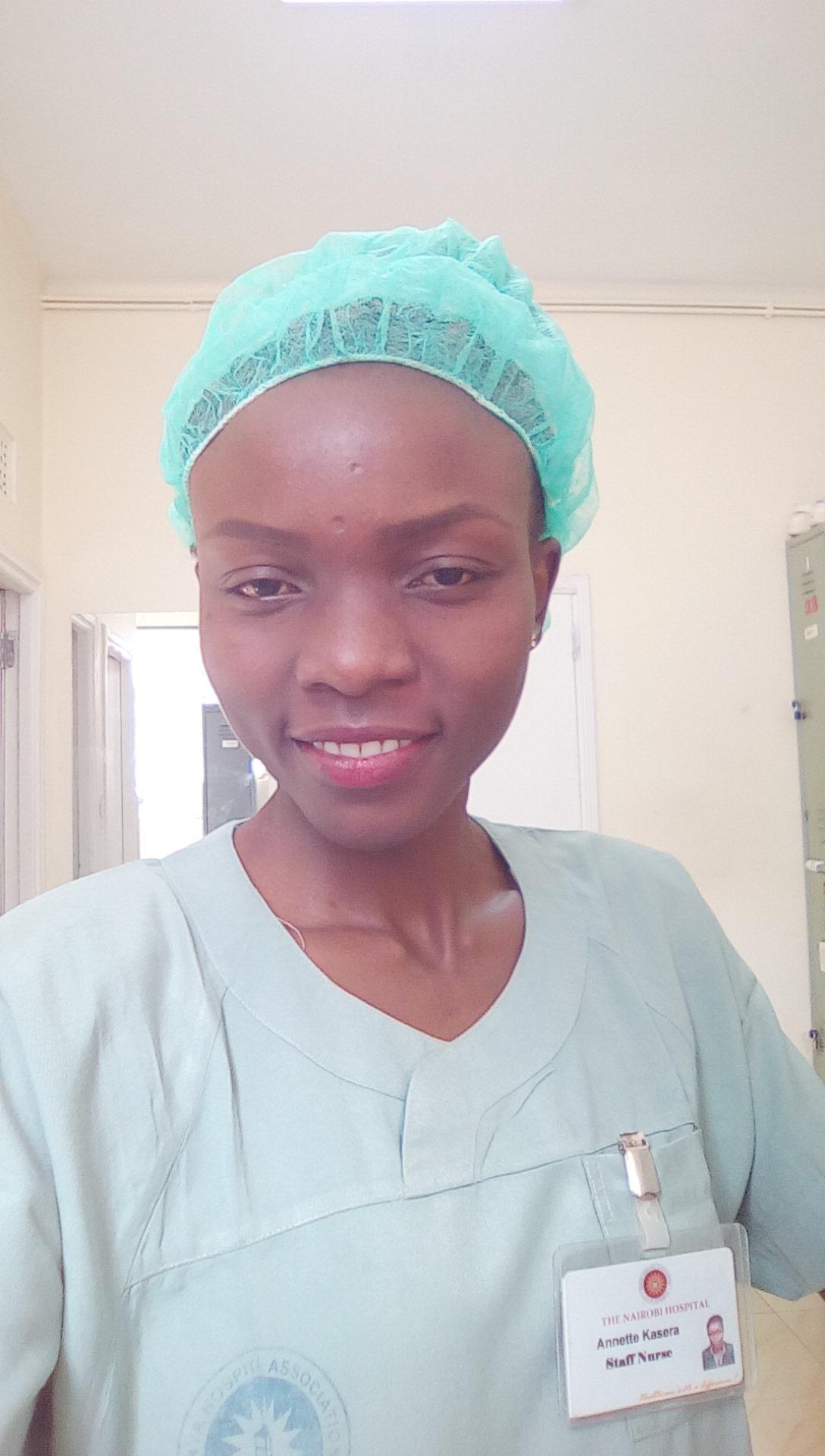
Every graduation season, the assembly grounds of the Kenya Medical Training College fill with white uniforms and relatives holding phones above their heads. In one recent cohort alone, the college pushed more than 22,000 newly qualified health workers into the country — a figure Health Principal Secretary Mary Muthoni has offered as proof of how fast Kenya has scaled its training pipeline. What the number does not show is the quiet arithmetic that follows the ceremony: far more nurses than the public system can hire, and a steady share of them already memorising the requirements for a job several thousand miles away.
For a newly licensed nurse in a town like Nakuru or Eldoret, the months after graduation often look less like the start of a career than the start of a wait. Public hospitals are not hiring at the pace the colleges are producing. Private wards pay little and demand long shifts. And so, between locum stints and unpaid attachments, many young nurses open a laptop and begin the slow, expensive paperwork of leaving — an English exam here, a credential verification there, a visa portal refreshed at midnight. The destination most of them have in mind is the United States.
The Diploma That Outpaces the Job Market
Kenya has built one of the most productive health-training systems on the continent, and that success has become its own problem. The country now graduates far more nurses, clinical officers and medical staff than its hospitals can absorb, leaving thousands either unemployed or working far below their qualifications. Health officials have repeatedly pointed to the gap between the size of each graduating class and the number of funded positions waiting on the other side.
The reasons nurses look abroad are not mysterious, and they are not only about money. Surveys and reporting on the exodus consistently cite low pay, punishing workloads and thin staffing as the core complaints. A subtler factor has crept into the conversation as well: Kenya's retirement rules, which push most public-service nurses out at 60 even when they are willing and able to keep working. For a profession that can practise well into later life elsewhere, that ceiling has become, for some, almost as important as salary when they weigh an offer overseas.
Africa's Leading Exporter of Nurses
When those nurses do leave, an outsized number of them are leaving for America. According to an analysis published by Think Global Health, Kenya has become Africa's leading source of nurses migrating to the United States, accounting for roughly 6.5 percent of African applicants seeking the VisaScreen certification that foreign health workers need to practise there. By that measure Kenya ranks third in the world as a source of internationally educated nurses bound for the US, behind only the Philippines and Canada.
That is a striking place for a single mid-sized African country to sit on a global list. It reflects both the scale of Kenya's training output and the English-language, exam-ready preparation its nurses arrive with. The same analysis frames the trend as a genuine dilemma rather than a simple loss — the money these workers send home is real, but so is the strain their departure leaves on wards back in Kenya, where rural facilities already struggle to keep a single qualified nurse on duty.
Why America Keeps Calling
The pull from the other side is structural and unlikely to fade. The United States, like much of the wealthy world, faces a long-running shortage of nurses and care workers, driven by an ageing population and a wave of retirements within the profession itself. Hospitals, nursing homes and staffing agencies have spent years looking beyond their borders to fill rosters, and internationally educated nurses have become a load-bearing part of the American care system.
Kenya is not the only country answering that call, nor is the US the only recruiter. The United Kingdom signed a bilateral labour arrangement with Kenya that, on paper, envisioned the recruitment of up to 20,000 Kenyan nurses, though administrative delays slowed the programme well short of that target. Canada has leaned on foreign-trained nurses to staff its own under-pressure wards. For an ambitious graduate in Kisumu or Machakos, the message from three continents is consistent: your skills are wanted, and they are wanted abroad.
The Door That Is Getting Smaller
This is where the story turns. At the very moment American demand for Kenyan nurses is strongest, the legal channel for reaching the United States is narrowing. News reports this month describe a State Department directive, approved under Secretary of State Marco Rubio, to slash the number of embassies and consulates in Africa that process visas — from close to 50 down to roughly 20 regional hubs. Earlier in the year, Washington also paused immigrant-visa issuance for applicants from a long list of countries flagged as high-risk, and tightened entry rules for dozens of nations, most of them African.
Kenya has so far avoided the harshest of the outright bans that have hit some of its neighbours. But a nurse does not need to be on a banned list to feel the squeeze. Fewer processing posts across the continent means longer queues, costlier travel to wherever an interview can still be booked, and more time lost between a job offer and a boarding pass. The paradox is hard to miss: the same period that produced a headline-grabbing health partnership between Nairobi and Washington has also produced a quieter contraction in the everyday machinery that lets a Kenyan health worker actually move. America is calling louder and answering more slowly at once.
What the Diaspora Carries Home
For the families left behind, this is not an abstract policy debate. A nurse who makes it to a hospital in Texas or Maryland becomes, almost immediately, a source of remittances — the money that pays school fees, tops up a parent's medical bill and quietly underwrites a sibling's own training. Diaspora remittances remain among Kenya's largest sources of foreign exchange, and a meaningful slice of that flow is earned in scrubs, on night shifts, far from home.
That is what makes the narrowing door more than a bureaucratic inconvenience. It sits at the intersection of three things Kenya cannot easily separate: a training system producing more talent than it can keep, a health workforce its own wards desperately need, and a diaspora economy built in part on the people who leave. For the graduate refreshing a visa portal tonight, none of that resolves the immediate question. The ward at home has no vacancy. The ward abroad does. And the road between them, just now, is getting harder to walk.