Busia County raises alarm over Ugandans holding Kenyan IDs ahead of 2027 elections
Residents in Busia County have raised concerns about a growing number of Ugandan nationals allegedly holding Kenyan national identity cards, sparking fears over electoral integrity and access to public services ahead of
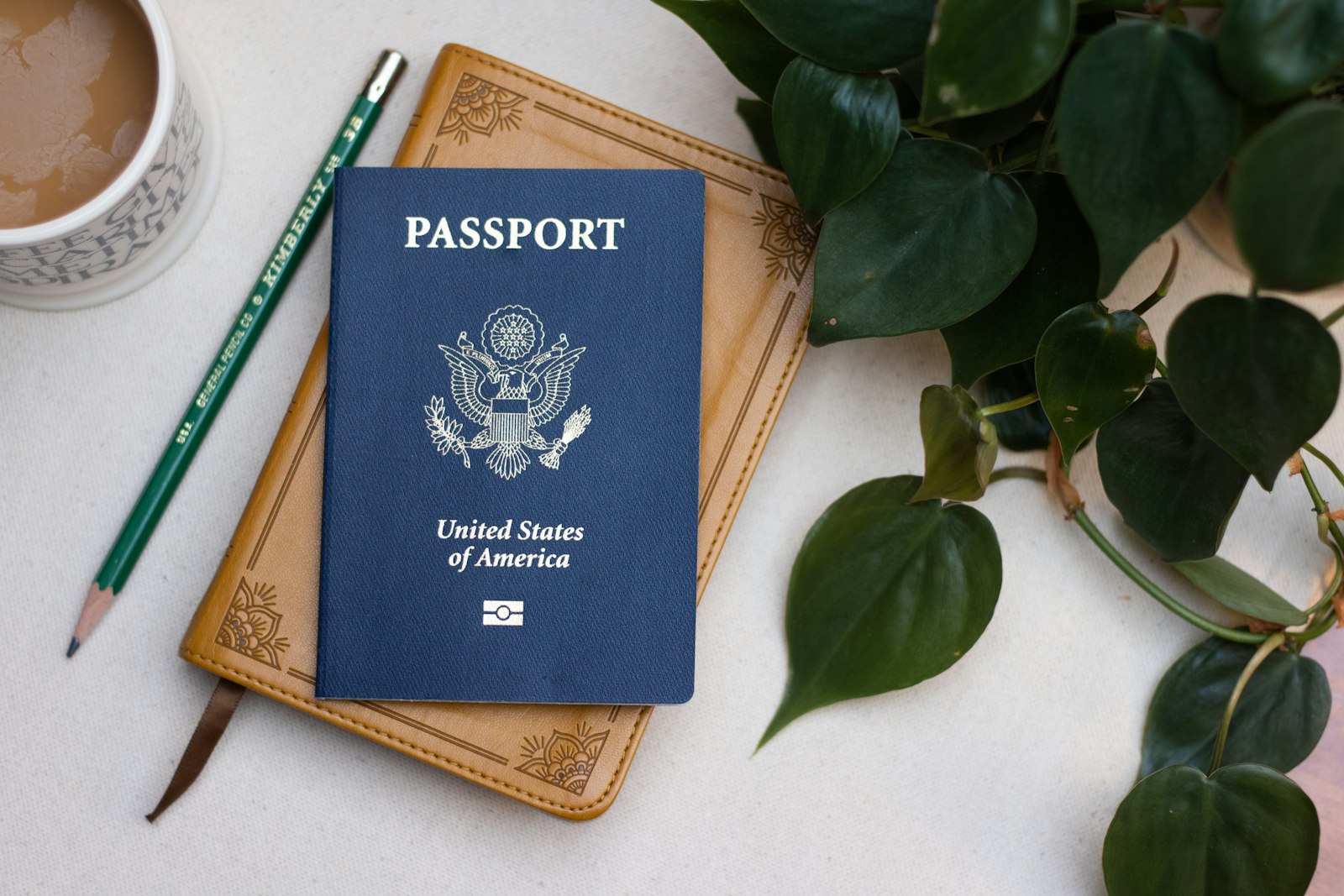
Residents in Busia County have sounded the alarm over what they describe as a surge in Ugandan nationals unlawfully holding Kenyan national identity cards, raising urgent questions about electoral integrity fifteen months before Kenya's 2027 general election.
The issue has ignited debate in the border county, where ethnic communities such as the Samia and Iteso straddle both sides of the Kenya-Uganda boundary, making it difficult to distinguish between citizens of the two countries. Residents claim the porous nature of the border and weak vetting systems have allowed foreign nationals to obtain Kenyan IDs fraudulently and access services meant exclusively for Kenyans—including voter registration.
Government acknowledges the challenge
Immigration Principal Secretary Belio Kipsang visited Busia County on Thursday, May 20, and acknowledged the complexity of the situation. He attributed the rise in cross-border ID issuance to intermarriage and the fluid movement of people across the Kenya-Uganda border, where verification is minimal.
"Our chiefs should sensitise those who are in this country rightfully through marriage that they are able to acquire documents that make them legally able to be in this country," Kipsang said during his visit.
He directed local chiefs and administrative officers to assess Ugandans married to Kenyans in Busia and guide them through the legal pathway to citizenship documentation, rather than allowing irregular ID issuance to continue unchecked.
Electoral integrity at stake
The timing of the alarm is politically charged. Kenya's 2027 general election is scheduled for August 10, 2027, and the Independent Electoral and Boundaries Commission (IEBC) has been conducting an Enhanced Continuous Voter Registration (ECVR) drive that has already added nearly 1.9 million new voters to the roll as of late April 2026.
Busia County alone registered 30,350 new voters during the recent mobilisation exercise, according to IEBC data. Residents fear that if Ugandans holding fraudulent Kenyan IDs are allowed to register, they could distort election outcomes in a county where margins are often tight.
"The rising number of Ugandans with Kenyan ID cards has raised questions over the credibility of the coming general elections, with fears that foreigners might be allowed to vote," local sources told Kenyan media on May 22.
Busia is not unfamiliar with cross-border electoral interference. In May 2025, voting was halted in several Ugandan villages near the Kenya border after hundreds of Kenyan nationals crossed into Uganda and attempted to vote in NRM party elections—a mirror image of the current concern.
A two-way problem
The Kenya-Uganda border remains one of East Africa's most fluid. Communities on both sides share language, kinship, and land, and cross freely for trade, weddings, and funerals. That porosity has long complicated efforts to enforce nationality and residency laws.
While residents accuse Ugandans of exploiting the system, they also claim Kenyans face more stringent vetting when applying for IDs—a disparity that has fuelled local frustration and allegations of administrative inconsistency.
Kipsang's visit signals that the government is taking the matter seriously, but the solution will require coordination between Kenya's National Registration Bureau, the IEBC, immigration officials, and their Ugandan counterparts to ensure that only eligible citizens are registered to vote in 2027.
What comes next
The IEBC has committed to cleaning up the voter register ahead of the 2027 polls, and any irregularities involving non-citizens could trigger legal challenges or delays. Political parties are also likely to scrutinise registration patterns in Busia and other border counties, where small shifts in turnout can determine parliamentary and gubernatorial races.
With just over a year until election day, the integrity of Kenya's national ID and voter registration systems is under the spotlight—and Busia County has become the test case for whether the government can secure its electoral roll while respecting the complex realities of cross-border communities.
Reporting drawn from Kenyans.co.ke, Daily Nation, Daily Nation.